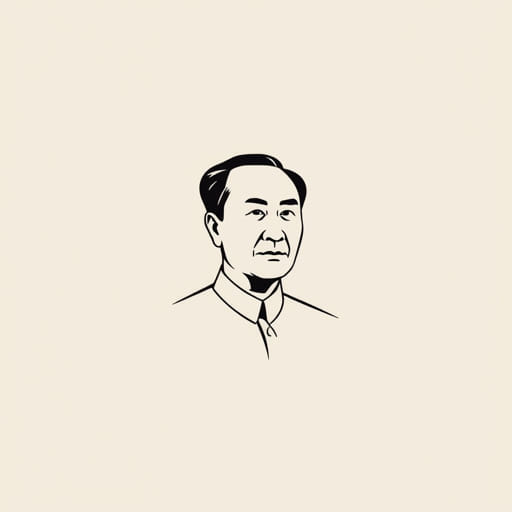
Zhou Enlai remains one of the most fascinating and respected figures in modern Chinese history. Often described as ‘The Last Perfect Revolutionary,’ Zhou’s political career spanned decades, marked by unwavering dedication to the Communist cause, remarkable diplomatic skill, and a reputation for integrity and pragmatism. Unlike many of his contemporaries, Zhou managed to maintain a delicate balance between revolutionary zeal and practical governance, helping to steer China through some of its most turbulent years. His legacy continues to influence Chinese politics and international relations today.
Early Life and Revolutionary Beginnings
Formative Years and Education
Zhou Enlai was born in 1898 in Huai’an, Jiangsu Province, into a well-educated family. From a young age, Zhou demonstrated intellectual curiosity and a strong sense of social justice. He studied at several prestigious institutions, including Nankai High School and later in Japan and France, where he was exposed to Marxist ideas and revolutionary thought. These experiences laid the foundation for his commitment to the communist revolution.
Joining the Communist Movement
In the early 1920s, Zhou became actively involved with the Chinese Communist Party (CCP). He worked closely with Mao Zedong and other key figures to organize workers, peasants, and students in the fight against warlordism, imperialism, and corruption. Zhou’s skills as an organizer and negotiator quickly earned him prominence within the party, marking the start of a lifelong role as a central figure in the CCP leadership.
Political Career and Leadership
Role in the Chinese Civil War
During the Chinese Civil War, Zhou Enlai served as a key strategist and diplomat for the Communist Party. His ability to negotiate with both domestic factions and foreign powers was critical in maintaining the CCP’s cohesion and international support. Zhou’s leadership was instrumental in the eventual victory over the Nationalists in 1949, leading to the establishment of the People’s Republic of China.
Premier of the People’s Republic of China
Following the founding of the PRC, Zhou was appointed as its first Premier, a position he held until his death in 1976. As Premier, he was responsible for managing the day-to-day affairs of the government, implementing policies, and representing China on the international stage. Zhou’s tenure was marked by his pragmatic approach, navigating the complexities of domestic politics and global Cold War dynamics with tact and skill.
Diplomatic Achievements and International Relations
Architect of China’s Foreign Policy
Zhou Enlai was a master diplomat who played a crucial role in shaping China’s foreign relations during the Cold War. He sought to balance China’s revolutionary ideals with the realities of global politics. Zhou worked tirelessly to establish diplomatic ties with various countries, including those in the West, despite ideological differences.
Notable International Engagements
- Bandung Conference (1955): Zhou was a leading figure at this landmark meeting of Asian and African nations, promoting solidarity against colonialism and imperialism.
- US-China Rapprochement: Zhou was instrumental in the secret negotiations that led to President Nixon’s historic visit to China in 1972, a breakthrough that reshaped global geopolitics.
- UN Representation: He played a significant role in China’s return to the United Nations and the international recognition of the PRC as the legitimate government of China.
Relationship with Mao Zedong and Political Challenges
Balancing Act with Mao
Zhou’s political life was closely intertwined with that of Mao Zedong. While both were committed communists, Zhou often acted as a moderating force within the party. His diplomatic skills and pragmatic outlook helped temper some of Mao’s more radical policies. Zhou’s ability to navigate this complex relationship allowed him to maintain influence even during the most tumultuous periods of the Cultural Revolution.
The Cultural Revolution
The Cultural Revolution (1966-1976) was a particularly difficult era for Zhou. Despite the chaos and purges that engulfed much of China’s political establishment, Zhou managed to survive politically and protect many party officials and intellectuals from persecution. His behind-the-scenes efforts helped preserve stability and continuity within the government, although he remained publicly loyal to Mao.
Legacy and Historical Impact
The Last Perfect Revolutionary
Zhou Enlai’s reputation as ‘The Last Perfect Revolutionary’ stems from his combination of ideological commitment, political acumen, and personal integrity. Unlike many of his peers, he was widely respected both within China and internationally for his honesty, diligence, and dedication to the country’s welfare. His death in 1976 was met with immense public mourning, reflecting his deep connection with the Chinese people.
Enduring Influence
Zhou’s influence continues to shape China’s political culture and foreign policy. His emphasis on diplomacy, pragmatic governance, and social stability remains a model for contemporary Chinese leaders. Zhou is remembered not just as a revolutionary but also as a statesman who understood the complexities of both domestic politics and international relations.
Zhou Enlai’s life story is a testament to the power of dedication, intelligence, and pragmatism in revolutionary leadership. As ‘The Last Perfect Revolutionary,’ he bridged the gap between radical ideals and practical governance, steering China through decades of upheaval and transformation. His legacy as a skilled diplomat, loyal communist, and compassionate leader endures, making him one of the most respected figures in 20th-century history.