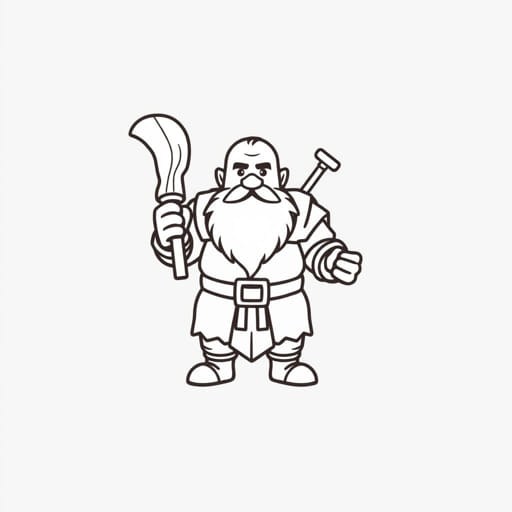
Among the rich tapestry of characters and side stories in The Witcher 3: Wild Hunt, even minor NPCs can leave a lasting impression. One such figure is the Dwarven woodcarver, a craftsman hidden among the more prominent quests and characters but still a part of the living, breathing world that CD Projekt Red meticulously designed. The Witcher 3 Dwarven woodcarver may not be central to the plot, yet his role highlights the game’s dedication to world-building, offering both insight into dwarven culture and subtle commentary on craftsmanship in a war-torn land. For many players, interactions with such characters deepen their immersion into the continent’s complexities.
Who Is the Dwarven Woodcarver?
Location and Role in the Game
The Dwarven woodcarver appears in the early hours of The Witcher 3: Wild Hunt, primarily during the Family Matters quest in Velen. He can be found in the village of Lindenvale or nearby settlements, depending on the exact point of progression. This artisan is known for carving unique wooden figurines, including likenesses of individuals and fantastical creatures. While not a major quest-giver, he becomes temporarily relevant in connection to characters such as the Bloody Baron and his family’s troubled narrative arc.
A Minor Yet Memorable NPC
What makes the Dwarven woodcarver stand out is not an epic battle or powerful spell, but the grounded, simple realism of his trade. His workshop is filled with carved items, and his dialogues provide a glimpse into the everyday lives of non-human citizens in a world dominated by humans, monsters, and political chaos. He’s a symbol of resilience, continuing his craft despite the war that rages around him.
Importance of Craftsmanship in the Witcher World
Dwarves and Their Reputation
Dwarves in The Witcher universe are often portrayed as skilled craftsmen blacksmiths, armorers, engineers, and, in rare cases, woodcarvers. The Dwarven woodcarver reinforces this reputation, showing that dwarves also apply their skill to delicate artistry rather than just metallurgy or machinery. His work emphasizes beauty and culture in a world where violence often overshadows art.
Woodcarving as a Forgotten Art
Unlike the famed master blacksmiths like Hattori in Novigrad, a Dwarven woodcarver doesn’t craft powerful weapons. Instead, he creates figurines that may seem mundane but serve a cultural purpose depicting people, recording history, or even serving spiritual or emotional roles. It’s a subtle reminder that even in a war-ridden world, people need beauty and symbols of identity.
Quest Connection and Narrative Depth
Tied to the Bloody Baron
During the Family Matters questline, Geralt investigates the disappearance of the Bloody Baron’s wife and daughter. At one point, the Dwarven woodcarver becomes involved indirectly. Players encounter a wooden doll that plays a symbolic role, with many fans speculating that it was carved by this very artisan. Whether this theory is accurate or not, it reflects how even minor details in The Witcher 3 can spark theories and discussions among players.
Environmental Storytelling
The setting of the woodcarver’s shop is another subtle piece of storytelling. Wooden figures on shelves, shavings on the floor, and tools neatly placed all contribute to the realism. No quest is needed to appreciate the environment; simply observing it tells players what kind of life this dwarf leads. This contributes to the immersive experience that The Witcher 3 is celebrated for.
Why the Dwarven Woodcarver Matters
Bringing the World to Life
In a game filled with grand battles and dark magic, the inclusion of a simple artisan might seem insignificant. However, it is precisely these kinds of characters that make the world feel genuine. The Dwarven woodcarver doesn’t exist to give the player loot or a quest objective he exists to show that life continues beyond the path of the protagonist.
Representation of Dwarves
In many fantasy settings, dwarves are often depicted in one-dimensional ways. The Witcher gives its dwarves more variety and nuance. Some are soldiers, some are merchants, and some, like the woodcarver, are artists. This not only avoids stereotyping but also expands the cultural depth of non-human races in the game.
Player Reactions and Community Interest
Fan Theories and Symbolism
The appearance of carved dolls and wooden figurines in emotionally heavy quests like Family Matters has led fans to wonder about deeper meanings. Could the figurine represent innocence lost? Is the woodcarver meant to represent a witness to unfolding tragedy? While the game offers no direct answers, the ambiguity invites interpretation, which enhances narrative engagement.
Modding and Fan Content
Some Witcher 3 modders have even expanded the role of lesser-known NPCs like the Dwarven woodcarver. These fan-made additions add dialogue, quests, or expand the inventory of such characters, allowing players to engage more deeply with the parts of the world they feel deserve more attention. It’s a testament to how even a quiet character can inspire creativity and appreciation from the community.
How to Find and Interact with the Woodcarver
Exploration and Attention to Detail
If you want to find the Dwarven woodcarver yourself, you’ll need to do some exploration in Velen, especially around Lindenvale and nearby villages. His presence isn’t highlighted by quest markers, so the best way to find him is to explore carefully and talk to every NPC. Listening to dialogue and inspecting items around his workshop will give you clues about his backstory.
What Players Can Learn
Even though there may not be a reward tied to interacting with the woodcarver, the encounter itself is a reward. It teaches players to slow down and pay attention to the world. Not everything in The Witcher 3 exists to serve the player’s progression. Some elements exist simply to make the world feel authentic and worth exploring.
The Witcher 3 Dwarven woodcarver may not be a hero, a villain, or a quest-giver, but he embodies something even more essential realism, artistry, and the quiet persistence of culture amid chaos. His workshop is a reminder that the continent is filled with stories beyond those of Geralt of Rivia. Whether you’re hunting monsters or chasing legends, taking the time to notice the small details, like a dwarf carving wood in a forgotten village, enriches the journey. As with many things in The Witcher 3, it’s the combination of grand narratives and minute details that make the world truly unforgettable.