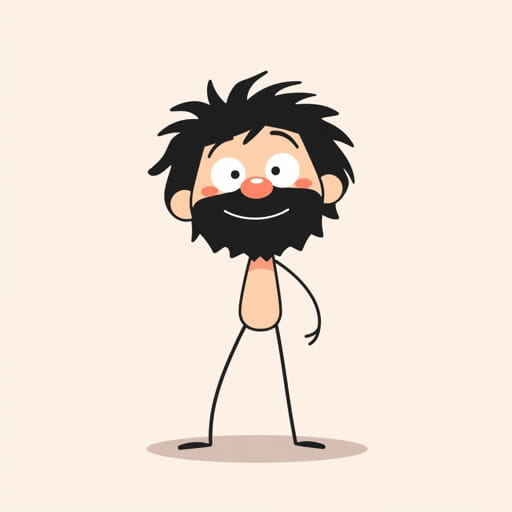
Where Does the Word Galoot Come From? Tracing the Origins of a Curious TermThe word galoot is one of those quirky English terms that sounds funny and feels old-fashioned, yet still finds its way into conversations, movies, and books. Typically used to describe a clumsy, awkward, or ungainly man, galoot can be an insult but usually a playful or affectionate one. But where did this unusual word originate, and how has it survived through the centuries?
Common Usage and Meaning
Today, galoot is often used in informal speech to describe someone who’s being goofy, bumbling, or acting foolishly in a big or noticeable way. It’s not usually meant to be cruel more like calling someone a big goof or a lovable oaf.
For example
-
Get out of the way, you big galoot!
-
He’s a galoot, but he means well.
While it might sound a bit outdated, galoot still pops up in storytelling and light conversation, especially when evoking a rustic, comedic, or old-timey vibe.
The Word’s Mysterious Beginnings
Unlike many English words with clear Latin or Greek roots, galoot has a fuzzier origin. Linguists believe it first entered the English language around the 17th or 18th century. There are several theories about its source, and while no single explanation is universally accepted, a few possibilities stand out.
Possible Roots in Foreign Languages
One of the strongest theories suggests that galoot may have come from Italian or Arabic origins. The Italian word galluto or the Arabic qalūt both of which could refer to foreign soldiers or clumsy men might have influenced the English term.
Sailors and soldiers were known for borrowing and adapting slang as they traveled, especially during the age of exploration and colonial expansion. It’s believed that galoot may have first been used in nautical slang by British sailors referring to awkward or unwelcome individuals aboard ships.
Naval Slang and Military Influence
In 18th-century British naval slang, galoot was sometimes used as a derogatory term for marines or soldiers aboard a ship particularly when they were seen as interfering with or not understanding proper sailor conduct.
Sailors were a proud and close-knit group who often viewed soldiers as outsiders. Calling someone a galoot may have been a way to mock their lack of coordination or experience at sea.
Over time, the term drifted from its specific naval context and entered broader English use, keeping its flavor of mockery and awkwardness.
The Word in American English
Galoot made its way across the Atlantic and gained popularity in the United States during the 19th century, especially in the Old West. Cowboys and frontiersmen adopted it into their colorful vocabulary, often using it to describe large, bumbling men or annoying troublemakers.
In these settings, galoot fit right in with other playful insults like varmint and nincompoop. It could be harsh, but more often than not, it was said with a laugh or a shake of the head.
For example
-
That galoot rode his horse straight into the river!
-
You’re a galoot if you think you can win a fight with him.
Galoot in Pop Culture and Literature
While not as common in everyday speech today, galoot remains a favorite in nostalgic or humorous writing. It often appears in
-
Western films and novels
-
Animated shows like Looney Tunes
-
Old-time radio programs and comedy skits
Characters labeled as galoots are usually big-hearted, slow-witted types who mean no harm but often find themselves in clumsy situations.
Is It Always an Insult?
Interestingly, galoot can be both insulting and affectionate, depending on the tone. It can mean
-
A clumsy fool
-
A harmless goofball
-
A big, awkward guy who’s trying his best
Because of its silliness and lack of real malice, many people use it in a joking, even endearing way. It’s not the kind of word that typically causes offense more like calling your friend a doofus or goon.
Linguistic Relatives and Similar Terms
While galoot stands out, it shares space with other humorous, slightly old-fashioned words in English. Some similar terms include
-
Lug often used for a big, slow person
-
Goofball someone silly or ridiculous
-
Oaf a clumsy or unintelligent person
-
Doofus slang for a foolish or clueless individual
Each of these words brings its own tone, but all are used to describe people who may not be smooth or sharp, but who are often lovable anyway.
Why Words Like Galoot Survive
Part of the charm of galoot is its sound it’s almost comical to say. The syllables are round and awkward, much like the image the word creates. Words that sound like what they mean tend to stick around, even as language evolves.
Moreover, galoot fills a specific niche. It allows speakers to poke fun at someone without sounding too mean. In a time when many insults are too sharp or too serious, galoot offers a lighthearted way to point out someone’s silliness or clumsiness.
Is Galoot Still Used Today?
Though not as common as it once was, galoot still appears in American and British English, especially in
-
Humorous writing
-
Satirical dialogue
-
Stories with historical or Western settings
You might also hear it in family settings or among older generations who enjoy colorful language. While younger speakers may not use it often, they usually understand its meaning thanks to pop culture references.
Conclusion A Word That Wobbled Its Way Through History
The word galoot may not have a crystal-clear origin, but its journey through history shows how language can grow and transform in unexpected ways. From the decks of British ships to the dusty trails of the American frontier, galoot has been used to describe those lovable, awkward, sometimes annoying characters who leave a mark without trying too hard.
In the end, calling someone a galoot might just mean they’re a bit clumsy or goofy but probably worth keeping around. It’s a term full of character, warmth, and a wink of humor, which is likely why it’s managed to hang on all these years.