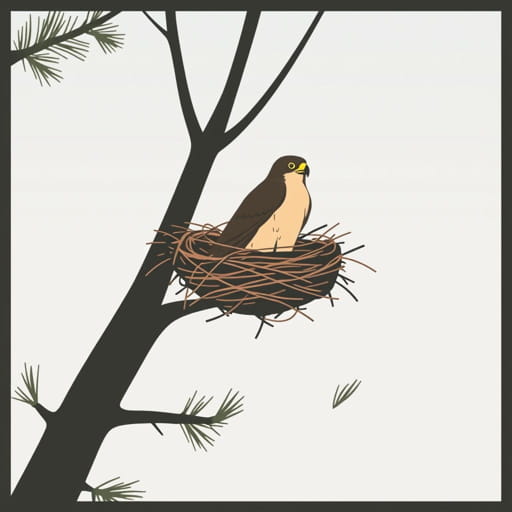
Where Do Sharp-Shinned Hawks Nest? Exploring the Nesting Habits of These Forest HuntersThe sharp-shinned hawk (Accipiter striatus) is a small but powerful bird of prey known for its swift hunting skills and secretive nature. While they are often seen darting through forests or swooping near backyard bird feeders, one question many people have is Where do sharp-shinned hawks nest? This topic explores their nesting preferences, behaviors, and the environmental conditions they rely on to raise their young.
General Nesting Season and Timing
Sharp-shinned hawks begin their nesting season in spring, shortly after they return from their winter migration. In the northern parts of their range, such as Canada and the northern United States, nesting usually begins in April or May. By this time, the forests are starting to bloom, offering cover and food for their young.
In warmer regions or where they stay year-round, nesting may start earlier. The timing ensures there’s plenty of prey available as chicks grow.
Preferred Nesting Habitats
These hawks are highly selective about where they build their nests. They prefer dense coniferous or mixed forests, often choosing locations far from human activity. The goal is to find a place that is quiet, well-concealed, and rich in small birds their main prey.
Common habitat features include
-
Mature conifer trees like spruce, fir, or pine
-
Forest interiors, especially those with a closed canopy
-
Remote locations away from roads and buildings
-
Mountainous or hilly terrain for added isolation
The thick canopy helps keep the nest hidden from predators and protects the chicks from harsh weather.
Nest Placement in Trees
Sharp-shinned hawks usually build their nests high in trees, typically between 20 to 60 feet above the ground. They favor locations close to the trunk or on a strong horizontal branch.
Some key placement preferences
-
Nest site is often close to the top of the tree but not at the very crown
-
Frequently in the mid-canopy, where branches offer both support and cover
-
Often located in a dense clump of trees, which helps with camouflage
-
Near a clearing or forest edge to allow easier hunting access
The site is chosen with care to avoid detection from predators like raccoons or larger birds.
Construction of the Nest
The nest is built primarily by the female, while the male provides food during the process. It takes about one to two weeks to build the nest, which is made from twigs, small sticks, and softer materials.
Typical nest structure includes
-
A platform of sticks woven together
-
Lined with bark, pine needles, or other soft materials
-
About 12 to 24 inches wide and 4 to 6 inches deep
-
Usually reused or slightly rebuilt each season in the same area
Though the nest is not especially fancy, it is sturdy and well-hidden.
Egg Laying and Incubation
After the nest is built, the female lays between 3 to 5 eggs, which are typically bluish-white with brown speckles. She incubates them for about 30 to 35 days, staying mostly on the nest while the male hunts and delivers food.
During this time
-
The female rarely leaves the nest
-
The male is the primary food provider
-
Nest defense becomes a priority if predators come near
Sharp-shinned hawks are known for being protective parents, especially during the incubation period.
Chick Rearing and Fledging
Once the eggs hatch, the chicks are cared for by both parents. The female continues to brood the young while the male brings prey back to the nest. After about two weeks, the female also begins to hunt.
Key stages in chick development
-
Chicks grow quickly and are ready to fledge in 3 to 4 weeks
-
They stay close to the nest for another few weeks, learning to fly and hunt
-
Parents continue to feed and teach them basic survival skills during this time
By the end of summer, the young hawks are usually independent.
Nesting Site Fidelity
Sharp-shinned hawks often return to the same nesting territory year after year, though they may build a new nest nearby rather than reuse the old one. This behavior is known as nesting site fidelity.
Reasons for this include
-
Familiarity with hunting grounds
-
Knowledge of predator threats
-
Established success from previous seasons
Over time, a single forest area may host multiple old nests, though only one is active each year.
Challenges to Nesting Success
There are several threats that can affect the nesting success of sharp-shinned hawks, including
-
Habitat destruction due to logging or development
-
Disturbance by humans, especially in forested recreation areas
-
Predation by raccoons, crows, or larger raptors
-
Climate changes that impact prey availability
Conservation of forest habitats is essential for maintaining healthy breeding populations.
How to Identify a Sharp-Shinned Hawk Nest
If you’re in a forested area during spring or summer, spotting a sharp-shinned hawk nest is challenging but not impossible. Look for
-
High nests in tall conifer trees
-
Increased bird activity or alarm calls from nearby small birds
-
Sharp kik-kik-kik vocalizations from hawk parents
-
Repeated sightings of small hawks flying to and from the same area
Always observe from a distance to avoid disturbing the birds, especially during nesting season.
Comparison With Other Hawks
Compared to other raptors, sharp-shinned hawks are more secretive and build their nests in denser forests. For example
| Species | Nest Location | Nesting Environment |
|---|---|---|
| Sharp-shinned hawk | High in dense trees | Remote forests |
| Cooper’s hawk | Forest edges and suburban trees | Mixed woodlands |
| Red-tailed hawk | Tree tops or cliffs | Open country or city parks |
This comparison shows how sharp-shinned hawks prioritize concealment and cover over visibility or accessibility.
Sharp-shinned hawks nest in secluded, densely wooded forests, where they build their nests high in the trees, hidden from predators and human interference. Their nesting behavior is shaped by their need for safety, food availability, and successful chick rearing.
Understanding where and how these hawks nest helps bird enthusiasts, wildlife researchers, and conservationists protect their habitats and support their breeding success. Whether you’re observing from afar or simply learning more, knowing about their nesting habits deepens appreciation for this elusive forest predator.