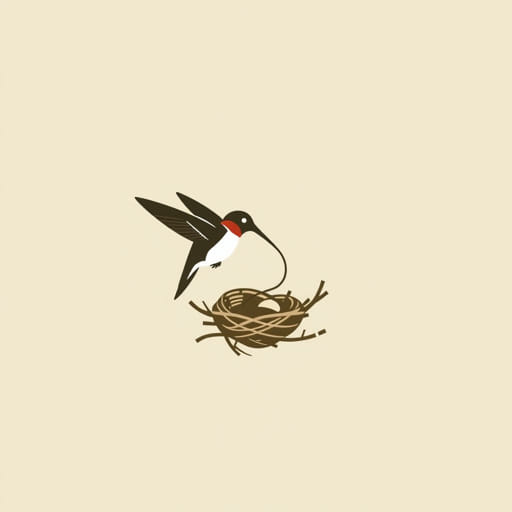
Where Do Black-Chinned Hummingbirds Nest?Black-chinned hummingbirds are a fascinating species known for their vibrant plumage and unique behaviors. Like many hummingbirds, their nesting habits are highly specific and linked to their environment. These birds are found across a variety of habitats, and their nesting locations are just as varied. In this topic, we will explore where black-chinned hummingbirds typically build their nests, what these nests look like, and the factors that influence their choice of nesting sites.
Overview of the Black-Chinned Hummingbird
Before delving into nesting details, it’s important to briefly understand the black-chinned hummingbird itself. This small bird is named for the distinctive black coloration on the throat and chin of the males. Known for their high energy and ability to hover, black-chinned hummingbirds primarily feed on nectar but also consume small insects for protein. These birds are found in the southwestern United States, Mexico, and parts of Central America, often in areas that offer abundant flowers.
The Ideal Habitat for Nesting
Black-chinned hummingbirds prefer specific environments that support their feeding habits, and their nesting sites are chosen with similar criteria in mind. They look for areas that offer shelter, food, and security from predators. Let’s examine the types of habitats where they commonly nest.
1. Desert and Semi-Desert Environments
In the southwestern United States and northern Mexico, where black-chinned hummingbirds are most commonly found, desert and semi-desert habitats are prevalent. These regions, characterized by dry conditions and desert plants like agave, cacti, and yucca, provide an ideal environment for nesting. These areas offer ample opportunities for food sources like flowering plants and insects, which are essential to the bird’s diet.
In these desert habitats, black-chinned hummingbirds are particularly drawn to areas where flowering plants are abundant. These plants not only supply nectar but also offer protection and cover for nesting birds. Nesting near these food sources ensures that the birds have a steady supply of nutrition during their breeding season.
2. Woodland and Riparian Zones
While desert regions are favored by black-chinned hummingbirds, they can also be found in more lush, wooded areas, particularly near water sources. Riparian zones areas near rivers, streams, or other bodies of water are ideal for these birds. These locations provide both shelter and an abundance of nectar-producing plants, such as willows, cottonwoods, and other flowering shrubs.
These areas offer more than just food. The plants in riparian zones provide dense foliage, which offers protection from predators and harsh weather conditions. Such environments are especially beneficial during the breeding season, as they provide the necessary conditions for the birds to raise their young in relative safety.
Characteristics of Black-Chinned Hummingbird Nests
Black-chinned hummingbird nests are small, cup-shaped structures that are usually found in sheltered locations. These nests are expertly crafted and play a vital role in the survival of the species. Let’s take a closer look at what makes these nests unique.
1. Nest Construction
The female black-chinned hummingbird is responsible for building the nest. She carefully chooses a suitable location and uses natural materials to construct the nest. The outer part of the nest is often made from plant fibers, such as spider silk, which is both strong and elastic. The interior is lined with soft materials like down feathers, animal fur, and soft plant materials to provide insulation and comfort for the eggs and chicks.
The nests are typically built in locations that offer good camouflage, helping protect the eggs and young from predators. Hummingbird nests are small and often difficult to spot due to their intricate construction and the fact that they are usually hidden within the foliage of trees, shrubs, or cacti.
2. Size and Shape
Black-chinned hummingbird nests are very small, often no more than 1.5 inches in diameter. The cup shape helps to cradle the eggs and chicks while also ensuring that the nest is structurally stable. The size of the nest ensures that it remains protected and sheltered, as it is tucked into small crevices or branches of trees and shrubs.
The nesting material is carefully selected by the female to ensure that the nest is well-constructed and durable. The use of flexible materials like spider silk helps the nest withstand the natural forces of wind and rain, which is especially important in outdoor environments.
Common Nesting Locations
Black-chinned hummingbirds tend to place their nests in locations that provide both shelter and easy access to food sources. Some of the most common places where black-chinned hummingbirds nest include
1. Cacti and Shrubs
One of the most typical nesting sites for black-chinned hummingbirds is in cacti or dense shrubs. These plants provide the perfect balance of protection and access to nectar. In areas where cacti are abundant, the birds will often nest among the spines, where their nests are well-hidden and protected from larger predators.
In addition to cacti, various types of flowering shrubs, such as honeysuckle or fuchsia, are favored by hummingbirds. These plants provide both shelter and the necessary food sources.
2. Tree Branches and Foliage
While they are often associated with desert and semi-desert environments, black-chinned hummingbirds also nest in trees, especially in areas with sufficient foliage. Trees like mesquite, oaks, and willows provide both shelter and access to nectar-rich flowers. The branches of these trees offer a secure spot to build a nest and help protect the eggs and young from predators.
3. Man-Made Structures
In areas where natural nesting sites are limited, black-chinned hummingbirds may also build their nests in or near man-made structures. This includes areas like garden trellises, hanging plants, and even under eaves of houses. These locations offer safe spots for nesting while still providing access to food sources like garden flowers and hummingbird feeders.
The Nesting Process
The breeding season for black-chinned hummingbirds usually occurs in the spring and early summer. During this time, the female will choose a nesting site and begin constructing her nest. Once the nest is complete, she will lay two small eggs, which are typically white and about the size of a jellybean.
The female will incubate the eggs for about 12 to 14 days, keeping them warm and safe until they hatch. After the eggs hatch, the mother continues to care for the chicks, feeding them a diet of regurgitated nectar and insects. The chicks are raised in the nest for about three weeks before they fledge, or leave the nest, and begin their independent lives.
Black-chinned hummingbirds nest in a variety of environments, from desert landscapes to riparian zones and urban areas. These birds are highly adaptive and will choose nesting sites that provide both shelter and access to food. Their nests are small, intricately designed structures that offer protection and comfort for their eggs and young. Whether in the wild or in gardens, these birds continue to captivate bird watchers and nature enthusiasts with their nesting habits and stunning beauty.