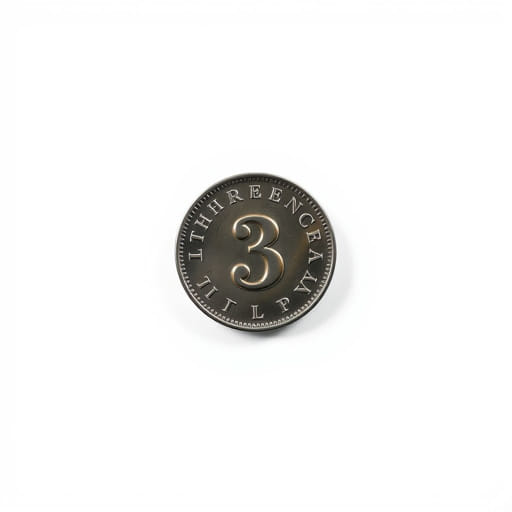
What Is the Value of a Threepence? Exploring the Worth of an Old British CoinThe threepence, also known as a ‘thruppence’ or ‘threepenny bit,’ was a small denomination of British currency used for centuries. Though no longer in circulation, it remains a fascinating part of the United Kingdom’s numismatic history. Collectors, historians, and those interested in British culture often seek to understand the true value of a threepence coin both in historical terms and its worth today.
What Was a Threepence Coin?
A threepence was a coin worth three old pence, a part of the pre-decimal British monetary system. This system was based on pounds, shillings, and pence, where 12 pence made a shilling and 20 shillings made a pound. Therefore, a threepence was one-quarter of a shilling.
These coins were used extensively before the UK adopted the decimal system in 1971. In the decimal system, the pound is divided into 100 new pence, and the threepence became obsolete. However, its historical and collectible value remains significant.
Design and Materials Over the Years
Threepence coins came in various forms and materials depending on the era. The design, size, and composition changed several times, reflecting the monarch in power and the economic conditions of the period.
Early Silver Threepence
-
The earliest threepence coins were made of sterling silver and introduced under Queen Elizabeth I in the 16th century.
-
They were small and round, featuring the monarch’s profile and a coat of arms.
Brass and Nickel Variants
-
In the 20th century, particularly during the reign of King George VI, a brass, twelve-sided version of the coin was introduced in 1937.
-
This version became one of the most iconic, easily recognized by its shape and weight.
-
During wartime and the post-war period, materials varied due to shortages.
The Monetary Value of a Threepence in Its Time
To understand the original value of a threepence, we need to place it in the context of the old British currency
-
1 pound = 240 pence
-
1 shilling = 12 pence
-
1 threepence = 3 pence
Back in the 19th and early 20th centuries, threepence could buy small household goods such as a loaf of bread, a pint of milk, or a newspaper. Its purchasing power was modest, but significant enough for daily needs.
What Is a Threepence Worth Today?
There are two main ways to interpret the value of a threepence today
1. Historical Value (Adjusted for Inflation)
When adjusting for inflation, a threepence from the early 20th century might be equivalent to around 1 to 2 modern British pounds today, depending on the specific year. This reflects what the coin could purchase in its time, rather than its collector value.
2. Collector Value
The numismatic value of a threepence varies based on factors like
-
Rarity Some years, such as 1946 or 1950, had lower mintages and are more valuable.
-
Condition Coins in mint or uncirculated condition are worth more.
-
Material Older silver coins tend to fetch higher prices than brass versions.
-
Historical significance Coins from special years (e.g., coronations) or those with errors are more collectible.
Depending on these factors, a single threepence coin can be worth anywhere from a few pence to several tens of pounds on the collector market.
Popular Years and Their Value Range
Below are examples of specific years and their approximate collector value
-
1937 brass threepence – around £1-£5 in circulated condition.
-
1949 brass threepence – up to £20 or more if in near-mint state.
-
1887 silver threepence (Queen Victoria Jubilee head) – potentially £10-£50 for high-grade coins.
Note that prices fluctuate depending on demand, condition, and rarity.
Is the Threepence Still Legal Tender?
No, the threepence is no longer legal tender in the UK. The coin was demonetized in 1971, when the country moved to the decimal currency system. However, threepence coins remain popular among collectors and those interested in vintage British items.
Some people also keep them for sentimental reasons, especially older generations who remember using them in their childhood.
Collecting Threepence Coins
If you’re interested in coin collecting, threepence coins are a great place to start. They are relatively easy to find at coin fairs, antique shops, and online auctions. Here are a few tips
-
Check the date Some years are rarer than others.
-
Inspect the condition Coins that are clean, untarnished, and have clear designs are more valuable.
-
Consider getting a coin guide Books or websites on British coinage can help you assess value.
Collecting these coins is a way to connect with British history and learn about the evolution of money and design.
Where to Find the Value of a Specific Coin
While it’s possible to get a general idea of the value of a threepence, identifying a specific coin’s worth might require
-
Visiting a coin dealer
-
Attending collector fairs
-
Comparing prices in collector catalogs
-
Checking recent auction listings
Coin grading systems, such as Good (G), Very Fine (VF), and Extremely Fine (EF), also help determine the condition and value more precisely.
Cultural References to the Threepence
The threepence coin appears in British literature and old films, often representing childhood, holidays, or Christmas gifts. It was a common coin to find in Christmas puddings a tradition where coins were baked inside for good luck.
It also shows up in stories set during the Victorian or Edwardian periods, symbolizing small but meaningful generosity or the cost of simple pleasures.
Conclusion A Small Coin with Big Historical Value
The threepence may have been a small coin in monetary terms, but it holds considerable historical and cultural value today. From its origin in the 1500s to its final minting in the late 20th century, it tells a story of British society, economy, and design. Whether you’re a collector or just curious about old coins, understanding the value of a threepence offers a glimpse into the past and a rewarding appreciation for the little things that once made up daily life.
Even though it’s no longer in use, the threepence remains a beloved piece of numismatic history worth much more than its original three pennies.