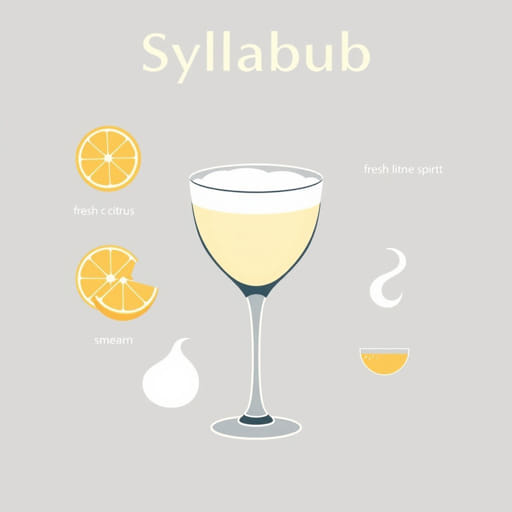
Syllabub is a traditional English dessert that dates back centuries, known for its light, creamy texture and subtly boozy flavor. It’s a delightful mixture of whipped cream, wine or spirits, sugar, and citrus that creates a sweet, frothy treat. Originally enjoyed by the upper classes during banquets and celebrations, syllabub has survived generations of culinary evolution. While not as commonly found today as other desserts, syllabub remains a symbol of historical British cuisine, evoking a sense of nostalgia and charm. It’s simple to make, rich in flavor, and surprisingly versatile when served with fruits, biscuits, or on its own.
The Basic Ingredients of Syllabub
Core Components
At its heart, syllabub is made from just a few ingredients that, when combined, produce a unique and indulgent dessert. These ingredients include:
- Heavy Cream– The base of the dessert, whipped to a light, airy consistency.
- Alcohol– Typically white wine, sherry, or sometimes brandy, which adds flavor and light acidity.
- Sugar– To sweeten the mixture and balance out the tartness of the wine or citrus.
- Lemon Juice and Zest– For brightness and a slight tang that complements the cream and alcohol.
These ingredients are combined carefully to create a balance between sweetness, richness, and acidity, resulting in a layered and luxurious taste experience.
Types of Alcohol Used in Syllabub
Wine-Based Syllabub
Traditionally, syllabub was often made with white wine such as sack (a sweet fortified wine similar to sherry). The use of wine gives the dessert a fragrant, delicate flavor. A dry white wine may also be used, though it usually requires more sugar to offset its sharpness.
Sherry and Brandy Variations
Some versions include sweet sherry or a splash of brandy to deepen the flavor profile. The alcohol not only enhances the taste but also helps slightly curdle the cream in a way that thickens the texture without turning it sour.
Modern Twists
In modern recipes, chefs occasionally substitute prosecco, champagne, or even flavored liqueurs to create unique interpretations of syllabub. Each alcohol choice adds its own character, whether light and sparkling or rich and warming.
Sweeteners and Flavor Enhancers
Choosing the Right Sugar
Granulated white sugar is most commonly used in syllabub, as it dissolves easily into the cream and wine. Some modern cooks might use powdered sugar for an even smoother texture or experiment with light brown sugar for a more caramel-like note.
Lemon as a Key Ingredient
Lemon juice plays an important role in both flavor and function. Its acidity reacts with the cream and alcohol to stabilize the mixture. The zest adds aromatic oils that give the dessert a fragrant, citrusy aroma.
Optional Additions
Some variations of syllabub include added spices or extracts such as:
- Nutmeg
- Vanilla extract
- Orange zest
- Rose water
These additions can personalize the flavor and make the dessert feel more festive or seasonal, depending on the occasion.
How Syllabub Is Made
Traditional Method
Historically, syllabub was made by pouring wine or cider directly into a bowl of sweetened cream, causing it to curdle slightly. It was then left to set, forming distinct layers a frothy top and a clear, alcoholic base. The top layer was spooned off and served in glasses.
Whipped Version
Modern syllabub is typically whipped with an electric mixer or whisk until thick and billowy. The wine and lemon juice are gradually folded into the cream and sugar, ensuring a smooth texture without over-whipping. The result is more homogenous and mousse-like than the original version.
Serving Suggestions
Best Ways to Present Syllabub
Syllabub is usually served chilled in elegant glassware such as wine glasses, dessert cups, or vintage teacups. Presentation plays a key role, as the creamy, pale mixture looks stunning against glass and pairs well with garnishes like:
- Fresh berries (e.g., raspberries or blackberries)
- Lemon or orange zest curls
- Mint sprigs
- Shortbread cookies on the side
These garnishes not only enhance appearance but also complement the dessert’s rich and tangy flavors.
Pairing with Other Foods
Syllabub can be served alone or with a light biscuit, fruit compote, or poached pears. Its rich texture makes it a perfect contrast to tart or crisp accompaniments. It’s also delightful at the end of a heavy meal, thanks to its light mouthfeel and refreshing citrus notes.
The Historical Significance of Syllabub
Origins in England
Syllabub has its roots in 16th- and 17th-century England, where it was initially more of a drink than a dessert. Wealthy households often served it during festive occasions. Over time, it evolved from a drink into a more solid dessert enjoyed by aristocrats and gentry alike.
Literary and Cultural References
Syllabub has appeared in various English cookbooks and literary works over the centuries, reflecting its popularity among historical diners. Its connection to celebrations and indulgence made it a symbol of refined hospitality.
From Past to Present
Though not as common in today’s mainstream dessert menus, syllabub remains a beloved part of traditional English cuisine. It’s occasionally featured in heritage dining experiences and homemade by culinary enthusiasts seeking a taste of the past.
Variations Around the World
Adaptations in Modern Cuisine
While syllabub is firmly rooted in British food history, the idea of whipped cream combined with alcohol and sugar has inspired variations in other cuisines. In France, dishes like sabayon share similar principles, though the preparation is slightly different.
Vegan or Dairy-Free Alternatives
Today, syllabub can be adapted for various diets. For a dairy-free version, coconut cream or plant-based whipping cream can be substituted. Non-alcoholic versions can also be made using fruit juice or sparkling cider, making the dessert more inclusive while still delicious.
Why Syllabub Is Still Worth Making
Quick and Elegant
Syllabub is surprisingly quick to prepare, taking less than 20 minutes from start to finish. Despite its simplicity, the end result looks and tastes elegant perfect for dinner parties or romantic evenings at home.
Rich Yet Refreshing
Thanks to its light texture and citrus brightness, syllabub feels indulgent without being too heavy. It’s a balanced dessert that offers richness from cream and subtle sharpness from wine and lemon.
Customizable Flavor
One of the dessert’s greatest strengths is its flexibility. By adjusting the alcohol, citrus, or sweetener, each batch of syllabub can be tailored to suit different palates and occasions.
Syllabub may not be the trendiest dessert in today’s kitchens, but it remains a timeless example of how simple ingredients can create something extraordinary. Made with heavy cream, sugar, citrus, and a touch of alcohol, syllabub offers a delightful blend of flavors and textures. Whether you’re exploring traditional British desserts, looking for something light yet indulgent, or hosting an elegant dinner, syllabub is a charming choice. Its long history, ease of preparation, and versatility make it a classic that deserves a place in modern dessert repertoires.