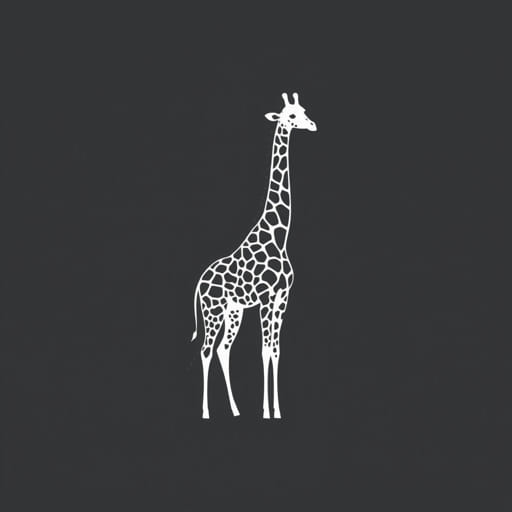
What Is a Reticulated Giraffe? Understanding the Unique Features of This Iconic AnimalThe reticulated giraffe is one of the most recognizable and fascinating animals on the African continent. Known for its striking coat pattern and towering height, this giraffe species is often admired by wildlife enthusiasts and visitors to zoos and safaris around the world. In this topic, we’ll explore what makes the reticulated giraffe special, from its physical characteristics to its habitat and behavior.
What Is a Reticulated Giraffe?
The reticulated giraffe (Giraffa reticulata) is a subspecies of the giraffe native to the arid savannas and open woodlands of East Africa. It is most commonly found in central and northern Kenya, as well as parts of southern Ethiopia and Somalia. The reticulated giraffe is known for its distinctive coat, which features a net-like pattern of white lines that create a striking contrast with its dark brown patches. This coat pattern is where the giraffe gets its name, with reticulated referring to the net-like appearance of its markings.
Reticulated giraffes are considered one of the most visually striking giraffe subspecies, easily distinguished from other giraffes due to their pattern and color.
Physical Characteristics of a Reticulated Giraffe
1. Height and Size
Like all giraffes, the reticulated giraffe is known for its exceptional height. Adult male reticulated giraffes typically stand between 16 and 18 feet tall, while females are slightly shorter, ranging from 14 to 16 feet. These towering heights make giraffes the tallest land animals in the world. Their long necks and legs enable them to reach leaves high up in trees, which is essential for feeding in their natural habitat.
The reticulated giraffe’s weight varies, with males weighing around 2,800 pounds and females slightly less at around 1,600 pounds. Their long, graceful legs also help them run at speeds of up to 35 miles per hour when needed.
2. Distinctive Coat Pattern
One of the most distinctive features of the reticulated giraffe is its coat pattern. Unlike other giraffe species, which may have irregular patches or blotches, the reticulated giraffe has a coat made up of polygonal patches surrounded by white lines, giving it a net-like appearance. This pattern not only distinguishes it from other giraffes but also serves as camouflage in its natural habitat, where the giraffe’s coat helps it blend into the dense foliage and trees.
3. Physical Adaptations
In addition to their unique coat pattern, reticulated giraffes possess several physical adaptations that allow them to thrive in their environment. Their long necks and legs are well-suited to browsing on the leaves of trees, particularly acacia trees, which make up a significant portion of their diet. Their large, dark eyes provide excellent vision, and their long, prehensile tongues, which can extend up to 18 inches, help them grasp and strip leaves from trees.
Habitat and Distribution of the Reticulated Giraffe
The reticulated giraffe is primarily found in East Africa, with its range concentrated in central and northern Kenya. Smaller populations of reticulated giraffes can also be found in southern Ethiopia and parts of Somalia. These giraffes prefer savanna and woodland habitats with sparse vegetation, where they can find plenty of acacia and other tree species to feed on. They are typically found in areas with access to water sources such as rivers or lakes, which they need to stay hydrated, especially in the dry seasons.
While reticulated giraffes are adapted to life in arid regions, they rely on the availability of sufficient food and water to survive. Their natural habitats are often under threat from human activity, including habitat loss, poaching, and agricultural expansion.
Diet and Feeding Behavior
Reticulated giraffes are herbivores and primarily feed on the leaves, twigs, and fruits of trees, with a particular preference for acacia species. They are browsers, meaning they feed on the leaves of trees rather than grass. Their long necks allow them to access high branches that other herbivores cannot reach, giving them a distinct advantage in their environment.
A reticulated giraffe’s diet is rich in nutrients, and they require a large quantity of food to sustain their large size. They can eat up to 75 pounds of leaves in a single day. Their long, prehensile tongues, which are typically dark purple or black, help them to grasp and strip the leaves from branches with great precision. These tongues also protect the giraffe from the thorns of acacia trees, which could otherwise cause injury.
Social Structure and Behavior
Reticulated giraffes are social animals, typically found in loose groups known as herds. These herds are usually made up of females and their offspring, while adult males tend to roam alone or form small bachelor groups. The size of a herd can vary depending on the availability of resources, but giraffes generally do not form tight-knit social structures like some other herbivores.
The reticulated giraffe is known for its relatively peaceful nature, though they do engage in physical interactions, particularly among males. During mating seasons, male giraffes may engage in necking battles, where they swing their necks like giant hammers to strike their opponents. These battles help determine which male will have access to mates. Females, on the other hand, do not engage in aggressive behavior and instead focus on nurturing their young.
Conservation Status
The reticulated giraffe is currently classified as Endangered by the International Union for Conservation of Nature (IUCN). While giraffes in general are facing significant threats due to habitat loss and poaching, the reticulated giraffe population is particularly vulnerable due to its limited range and specialized habitat requirements.
In recent years, the population of reticulated giraffes has been in decline, and conservation efforts are crucial to ensuring their survival. Organizations are working to protect their natural habitats, reduce poaching, and implement breeding programs to increase the population of these iconic creatures. Efforts to monitor giraffe populations and combat illegal hunting are essential in maintaining a stable and sustainable population of reticulated giraffes.
The reticulated giraffe is a magnificent and unique animal known for its striking appearance and towering height. With its distinctive coat pattern, large size, and specialized diet, this giraffe subspecies is an iconic symbol of East Africa’s wildlife. However, like many species, the reticulated giraffe faces numerous threats that put its future at risk. Continued conservation efforts and awareness are necessary to protect these remarkable creatures and ensure they continue to roam the savannas and woodlands of East Africa for generations to come.