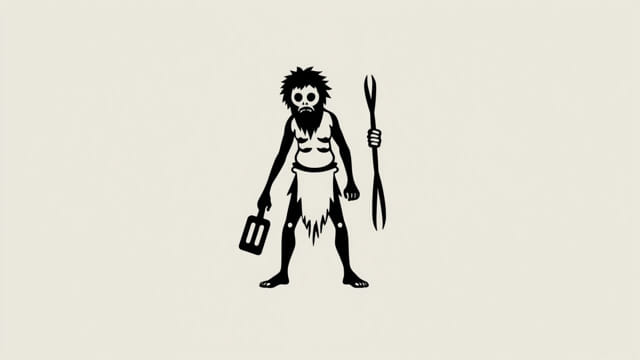
Throughout the history of language, certain words carry with them layers of meaning, both literal and figurative. One such term is troglodyte. At first glance, the word may sound obscure or ancient, but its relevance still lingers in modern speech. Used to describe anything from cave dwellers to people perceived as out of touch with current culture, troglodyte possesses fascinating roots and evolving implications. Understanding its definition requires a dive into history, language, and cultural connotation.
Literal Meaning of ‘Troglodyte’
The word troglodyte originally refers to someone who lives in a cave. Derived from the Greek wordtrÅglodutÄs, it literally means cave goer or one who creeps into holes. This term was historically used to describe ancient people or tribes that inhabited natural caverns or hollowed-out rock shelters. These cave dwellers were often associated with early human civilization, especially in archaeological or anthropological contexts.
Historical Use in Geography and Anthropology
In ancient texts, troglodyte was sometimes used to describe real ethnic groups. Greek and Roman historians used the term to identify tribes living in the deserts of northeastern Africa who inhabited caves. Over time, the literal meaning became less common in modern discourse, yet it still finds its place in academic discussions about prehistoric life and human origins.
- In archaeology, troglodytic dwellings refer to man-made cave structures or excavations.
- Troglodyte settlements have been discovered in regions like Cappadocia (Turkey) and Matmata (Tunisia).
- These communities often chose caves for shelter due to temperature control and natural protection.
Modern Figurative Usage
Today, troglodyte is more frequently used in a metaphorical or pejorative sense. It can describe a person who is considered to be old-fashioned, willfully ignorant, or socially backward. Someone who resists change, avoids modern technology, or refuses to adapt may be called a troglodyte in a critical tone. The figurative usage still retains the underlying concept of hiding away from light, progress, or enlightenment.
Examples in Everyday Language
In contemporary speech and writing, troglodyte might appear in humorous or sarcastic remarks:
- He refuses to get a smartphone what a troglodyte!
- Don’t be such a troglodyte. Try something new!
- Some troglodytes still deny climate change, despite all the evidence.
These examples reflect the idea of someone being figuratively in a cave isolated from the reality that surrounds them. The word can be biting, and while it may be used jokingly among friends, it can also carry a judgmental tone in more serious conversations.
Troglodyte in Pop Culture
The term troglodyte has been featured in books, movies, and music to highlight primitive or regressive characters. In fantasy literature, it may refer to subterranean creatures. In social critique, it often targets individuals or groups who cling to outdated beliefs or behaviors. The dual nature of the term both literal and figurative makes it a versatile tool for storytellers and commentators alike.
Troglodytes in Fictional Settings
Writers often use troglodyte characters to represent primitive thinking or brutish instincts:
- In fantasy novels, troglodytes may be literal cave monsters or tribal societies.
- In political satire, a troglodyte might symbolize backward policies or resistance to progress.
- In humor, calling someone a troglodyte exaggerates their unfamiliarity with modern trends.
Because the word has strong imagery associated with darkness and isolation, it continues to serve symbolic functions in creative writing and criticism.
Common Synonyms and Related Terms
To understand troglodyte more deeply, it helps to consider its synonyms and related phrases:
- Neanderthal– Often used interchangeably to imply primitiveness or outdated views.
- Luddite– Refers to someone who resists new technology, sharing the anti-modern aspect.
- Hermit– Implies isolation, but more in a spiritual or voluntary sense.
- Cave dweller– A literal term, still used metaphorically in some contexts.
Each of these words shares overlapping qualities with troglodyte but may carry slightly different nuances. Choosing the right term depends on the context and the speaker’s intention.
When and How to Use ‘Troglodyte’
While the word troglodyte can be powerful and descriptive, it should be used thoughtfully. Because it often carries a negative or mocking tone, using it to describe others can come across as offensive or condescending. However, in creative writing, humor, or satire, it can add a sharp edge when used effectively.
Tips for Using the Word Appropriately
- Use it figuratively only when exaggeration is clearly understood by the audience.
- Avoid using it in serious debates unless you’re prepared for strong reactions.
- When writing fiction, troglodyte can add color and texture to character development.
Understanding how your audience interprets the term will help ensure it adds impact rather than offense.
Etymological Background
The origin of troglodyte provides clues to its rich linguistic heritage. As mentioned, it stems from the GreektrÅglÄmeaning hole anddyeinmeaning to enter. The word traveled into Latin astroglodyta, and later entered French before settling into English in the 16th century. Initially used in geographic and anthropological texts, it gradually evolved in meaning as cultural references changed.
This shift from a descriptive noun to a metaphorical insult reflects broader linguistic trends where physical conditions become symbols for mental or social states.
The Lasting Impact of the Word ‘Troglodyte’
Troglodyte is a word that bridges the literal and figurative worlds. It began as a term for actual cave dwellers, evolved into a descriptor for those disconnected from modern life, and now holds a place in both scholarly and casual conversations. Whether used in scientific writing, social commentary, or daily speech, the word retains its core image of withdrawal from society, from innovation, or from enlightenment.
Knowing what troglodyte means involves more than just dictionary memorization. It invites reflection on how language adapts to describe not only physical realities but also human attitudes and behaviors. By understanding the layers of meaning within the word, speakers and writers can use it with precision, humor, or criticism always aware of the potent imagery it brings to mind.