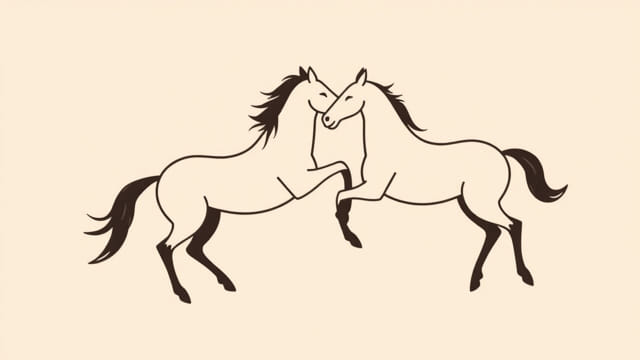
The word horseplay is often used in English to describe rowdy or rough behavior, typically playful and not intended to cause harm. However, when translating this term into another language such as Spanish, it’s important to understand not just the literal meaning, but also the cultural context in which the word is used. Horseplay doesn’t involve horses it refers to boisterous or physical play. This topic explores the meaning of horseplay in Spanish, suitable translations, example sentences, and its usage in different scenarios.
Understanding the Word Horseplay
In English, horseplay generally refers to rough, noisy behavior that’s done in fun. It’s commonly seen among children or teenagers, but adults can also engage in horseplay in less formal situations. Horseplay is not malicious; it is more about physical joking or fooling around. However, in workplaces or schools, horseplay is often discouraged because it can lead to accidents.
Key Characteristics of Horseplay
- Usually done for fun or amusement
- Often physical in nature pushing, shoving, wrestling
- Can be loud or disruptive
- Not intended to cause serious harm
- Can sometimes lead to unintentional injuries
What Does Horseplay Mean in Spanish?
In Spanish, horseplay can be translated in several ways depending on the context. The most accurate translations include:
- Travesuras– This word means mischief or pranks and is often used when referring to playful or naughty behavior among children.
- Juegos bruscos– Literally rough games, this term emphasizes the physical aspect of horseplay.
- Payasadas– This means clowning around or acting in a foolish way, often used when the behavior is humorous and silly.
- Bromas pesadas– This can refer to practical jokes or jokes that are rougher than usual.
Choosing the Right Translation
The correct Spanish equivalent depends on the setting. For instance, if children are pushing each other in a fun way, juegos bruscos or travesuras would be appropriate. In a work environment where employees are joking physically, it may be translated as comportamiento imprudente (reckless behavior) to emphasize the inappropriate nature of the conduct.
Examples of Horseplay in Spanish Sentences
To better understand how horseplay is used in real-life situations, here are some example sentences in both English and Spanish:
Example 1
English: The teacher warned the students to stop the horseplay during class.
Spanish: La maestra les advirtió a los estudiantes que dejaran las travesuras durante la clase.
Example 2
English: Their horseplay in the hallway led to someone falling and getting hurt.
Spanish: Sus juegos bruscos en el pasillo causaron que alguien se cayera y se lastimara.
Example 3
English: The manager reminded the staff that horseplay is not allowed at the workplace.
Spanish: El gerente recordó al personal que las payasadas no están permitidas en el lugar de trabajo.
Example 4
English: They were just engaging in some harmless horseplay at the park.
Spanish: Solo estaban haciendo algunas travesuras inofensivas en el parque.
Use of Horseplay in Professional Contexts
While horseplay might seem harmless, in professional or formal settings, it’s usually discouraged. In workplaces, schools, or hospitals, physical joking around can lead to safety concerns. When translating workplace guidelines or safety rules into Spanish, terms like comportamiento imprudente, conducta inapropiada, or juegos peligrosos may better reflect the seriousness of the issue.
Synonyms of Horseplay in Spanish
Understanding synonyms helps broaden vocabulary and use more appropriate expressions in different contexts. Here are some Spanish synonyms of horseplay:
- Chanzas– Jokes or banter, often playful
- Burlas– Teasing or mocking, depending on tone
- AlgarabÃa– Commotion or noisy behavior
- Jugarretas– Tricks or antics, often lighthearted
Horseplay and Safety Regulations
In both English and Spanish-speaking countries, horseplay is mentioned in safety manuals and employee conduct policies. In these contexts, the term is often accompanied by warnings or consequences. In Spanish, it may appear as:
- Prohibido el comportamiento imprudente o juegos bruscos en el área de trabajo.
- Las travesuras que ponen en riesgo la seguridad serán sancionadas.
These expressions help reinforce the idea that while horseplay can be fun, it is not always appropriate in every setting.
Cultural Differences in Interpreting Horseplay
It’s important to note that cultural differences influence how horseplay is viewed. In some Spanish-speaking countries, playful physical behavior might be more tolerated, especially among children or close friends. In others, such behavior may be considered rude or disruptive. Therefore, context and tone matter when translating or interpreting the word horseplay.
The meaning of horseplay in Spanish varies based on context, intent, and environment. Whether it’s travesuras among children, payasadas among friends, or comportamiento imprudente in professional settings, understanding the nuances helps in accurate and effective communication. Being aware of cultural interpretations and suitable vocabulary can ensure the message is clear and appropriate in both English and Spanish.