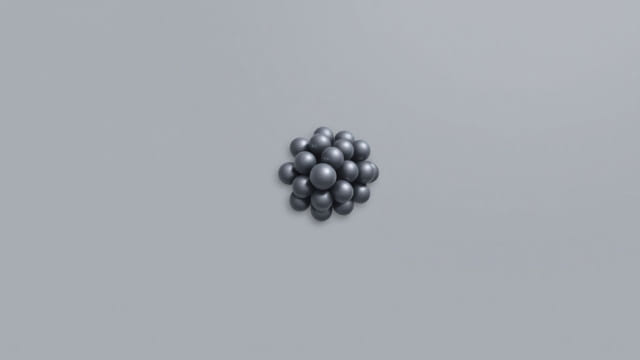
Throughout the history of warfare, various weapons have been developed to maximize impact and destruction. One such weapon is grapeshot, a term often encountered in historical texts, especially those discussing artillery in the 18th and 19th centuries. Although it might sound like something related to fruit, the meaning of grapeshot is far more deadly. Understanding what grapeshot means is essential for anyone studying military history, weaponry, or naval warfare, as it played a crucial role in many famous battles.
Definition of Grapeshot
Grapeshot is a type of ammunition used in cannons, consisting of small iron balls packed tightly into a canvas bag or metal canister. When fired, the bag would burst open, scattering the balls outward much like a shotgun blast. The effect was devastating, particularly against groups of soldiers or sailors. It was especially effective in close-range combat, making it a feared weapon on battlefields and aboard warships.
Origin of the Term
The term ‘grapeshot’ derives from the weapon’s resemblance to a cluster of grapes. When the iron balls were packed together, they mimicked the appearance of a grape bunch. This visual similarity led to the name, which stuck throughout centuries of military use. The term eventually became part of military jargon and was often used metaphorically in literature and speech to refer to sudden or widespread attacks.
How Grapeshot Was Used
Artillery and Cannons
Grapeshot was most commonly loaded into smoothbore cannons. Instead of a single solid cannonball, grapeshot created a wide spray of projectiles, making it ideal for use against massed infantry or ship crews. The effectiveness of grapeshot lay in its ability to hit multiple targets in a single blast.
Naval Warfare
In naval battles, grapeshot was particularly deadly. When fired across a deck, it could incapacitate large numbers of sailors in seconds. It was often used to ‘clear the decks’ before boarding actions, making enemy resistance minimal. Its impact wasn’t just physical grapeshot also had a psychological effect, instilling fear and chaos.
Defensive Use
Fortresses and defensive positions also employed grapeshot. As enemy troops approached the walls or gates, defenders would use grapeshot to repel attackers, often with devastating effect. This method was cheaper and more effective than trying to fire solid shot at close range.
Difference Between Grapeshot and Canister Shot
Though similar, grapeshot and canister shot are not the same. Both were anti-personnel ammunition designed to scatter projectiles, but they differ in structure:
- Grapeshot: Consisted of larger iron balls held together in a bag or frame, offering a tighter but more forceful spread.
- Canister Shot: Used smaller iron or lead balls packed in a metal canister that disintegrated upon firing, creating a wider spread.
Canister shot was more like a giant shotgun blast and was used at extremely close range. Grapeshot had slightly more reach and impact due to its larger balls and tighter grouping.
Impact on Warfare
Tactical Advantages
Grapeshot was instrumental in several famous historical battles. Its ability to cover a wide area made it invaluable when defending narrow passages or decks. Commanders relied on it to break enemy formations and halt advances with minimal effort. It also reduced the need for precise aiming since the spread of projectiles increased the likelihood of hitting a target.
Casualties and Devastation
Due to its widespread and indiscriminate nature, grapeshot caused massive casualties. Troops caught in its path often suffered severe injuries or death. In many historical accounts, the use of grapeshot resulted in entire lines of soldiers being brought down in seconds. Medical care of the time was unequipped to handle such traumatic injuries, leading to high fatality rates.
Decline and Obsolescence
As weapon technology evolved, grapeshot fell out of favor. Rifled artillery and more accurate firearms made the use of scatter ammunition less effective in open battle. By the late 19th century, grapeshot was largely obsolete. It was replaced by more sophisticated munitions and tactics that relied on precision rather than brute force.
However, its influence is still studied in military academies and history courses, as it represents a significant phase in the evolution of battlefield tactics and weapon design.
Grapeshot in Popular Culture
Even though it is no longer used in modern combat, grapeshot remains a powerful symbol in popular culture. It is often mentioned in historical novels, war documentaries, and period films. The term has also entered political and metaphorical language, describing overwhelming or sudden attacks especially verbal or ideological ones.
One notable example is the famous quote attributed to General Andrew Jackson: ‘Give them grapeshot!’ a phrase symbolizing uncompromising defense and ruthless efficiency in dealing with enemies.
Modern Interpretations and Legacy
In modern times, grapeshot is seen as both a technological innovation and a brutal instrument of war. Its simplicity and effectiveness are admired from a technical standpoint, but its destructive power also serves as a reminder of the horrors of past battles. Museums and historical reenactments often feature grapeshot to educate the public about its use and consequences.
Collectors and Historians
Collectors of antique weaponry often seek grapeshot as a valuable artifact. Historians study its use to better understand military strategies of the 18th and 19th centuries. Civil War battlefields, for example, have yielded many grapeshot remnants that are now preserved in museums across the United States.
Grapeshot was a powerful form of ammunition that played a crucial role in historical warfare. Defined by its cluster of iron balls fired from cannons, it was designed for maximum spread and devastation, especially against closely packed troops or ship crews. Though now obsolete, it remains a key concept in military history. The meaning of grapeshot today is more than just a term it’s a symbol of an era when warfare relied on sheer force and dramatic displays of power. Understanding its function, impact, and legacy helps shed light on the tactics and brutality of historic battles and reminds us how far military technology has evolved.