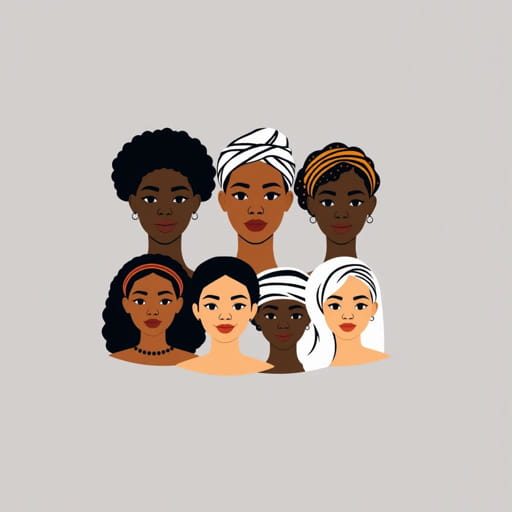
What Do Surinamese People Look Like Exploring the Rich Diversity of Suriname’s PopulationSuriname is a small but incredibly diverse country located on the northeastern coast of South America. Despite its size, it is home to a variety of ethnic groups, each contributing to the country’s rich cultural identity. When asking what Surinamese people look like, the answer is not simple. The physical appearance of the population varies widely due to centuries of migration, colonization, and cultural blending.
The Ethnic Makeup of Suriname
A Multicultural Society
Suriname’s population is made up of several major ethnic groups. These include people of East Indian (Hindustani), African (Creole and Maroon), Javanese, Indigenous Amerindian, Chinese, European, and mixed descent. This ethnic diversity directly influences the wide range of physical features found among Surinamese people.
Influence of History
The country’s colonial past under Dutch rule brought waves of workers from across the world. After the abolition of slavery in the 19th century, laborers from India, Java (Indonesia), and China were brought in to work on plantations. Over time, these groups settled and intermarried, creating a truly multicultural society.
Hindustani Surinamese
Physical Features
Hindustani Surinamese are descendants of Indian laborers who arrived between the 1870s and 1910s. They generally have medium to light brown skin, dark hair, and dark eyes. Many maintain traditional Indian facial features and often wear clothing or jewelry that reflects their South Asian heritage.
Cultural Identity
While physically similar to people from India, they have developed a unique Surinamese identity, speaking Sarnami (a form of Bhojpuri), Dutch, and sometimes Hindi. Their traditional attire, cuisine, and religious practices also set them apart within Suriname.
Creole and Maroon Surinamese
African Heritage
Creoles are primarily of African descent and make up a significant portion of the population, especially in the capital, Paramaribo. Maroons, on the other hand, are descendants of enslaved Africans who escaped into the interior and formed independent communities.
Distinct Features
Creole and Maroon Surinamese typically have darker skin tones, broad facial features, and tightly curled hair. However, there is a wide range of appearances, especially due to intermarriage with other ethnic groups.
Cultural Influence
Maroons have preserved many African traditions, including dance, music, and spiritual practices. Creoles, especially in urban areas, often have more Western influences but still retain a strong cultural identity rooted in African heritage.
Javanese Surinamese
Southeast Asian Origins
Javanese Surinamese are descendants of Indonesian laborers brought from Java in the late 19th and early 20th centuries. They typically have straight black hair, brown skin, and Southeast Asian facial features such as almond-shaped eyes and flatter noses.
Cultural Blend
Many still practice Javanese customs and speak the Javanese language, though Dutch is commonly spoken. Their appearance often reflects a blend of Asian and local influences due to generations of intermarriage and cultural adaptation.
Indigenous Amerindians
Native Populations
The Indigenous peoples of Suriname, such as the Arawak and Carib, are the original inhabitants of the region. They tend to have copper or bronze-colored skin, straight dark hair, and angular facial features.
Close Ties to Nature
Their way of life is traditionally connected to the land and rivers. Although modern influences are growing, many Indigenous communities still live in rural or forested areas and maintain their ancestral languages and customs.
Chinese Surinamese
Historical Migration
Chinese immigrants began arriving in the mid-1800s. Over time, they have become an important part of the Surinamese population, especially in business and trade.
Physical Characteristics
Chinese Surinamese often have typical East Asian features lighter skin tones, straight black hair, and monolid or narrow eyes. However, mixed heritage is common, which can influence appearance.
Integration and Influence
They are well integrated into Surinamese society while also preserving cultural elements like Chinese festivals, cuisine, and language.
Europeans and Mixed-Race Surinamese
Dutch and Other Europeans
Descendants of Dutch settlers and other Europeans, including Portuguese and Jews, also make up a small portion of the population. They usually have lighter skin, European facial features, and may have blue or green eyes and lighter hair.
Mixed Heritage and Diversity
Many Surinamese today are of mixed ancestry. These individuals may have features that combine African, Asian, European, or Indigenous traits. This diversity is especially visible in urban areas and among younger generations.
A Country of Many Faces
No One "Look"
Because of its unique history, Suriname is a country where there is no single way a Surinamese person looks. Physical appearances range across a broad spectrum. Skin tones vary from very light to deep brown, hair textures from straight to curly, and facial features from European to Asian to African influences.
Unity in Diversity
Despite differences, what unites Surinamese people is a shared national identity. Their common use of the Dutch language, pride in multicultural traditions, and celebrations of ethnic festivals foster a strong sense of unity.
Asking what Surinamese people look like opens the door to a deeper understanding of the country’s incredible diversity. Suriname is a living example of cultural fusion, where appearance reflects a complex history of migration, colonization, and adaptation. From Indian and Javanese roots to African and Indigenous heritage, Surinamese people embody a wide range of physical traits and cultural expressions. This diversity is not only visible but celebrated, making Suriname one of the most culturally vibrant countries in the world.