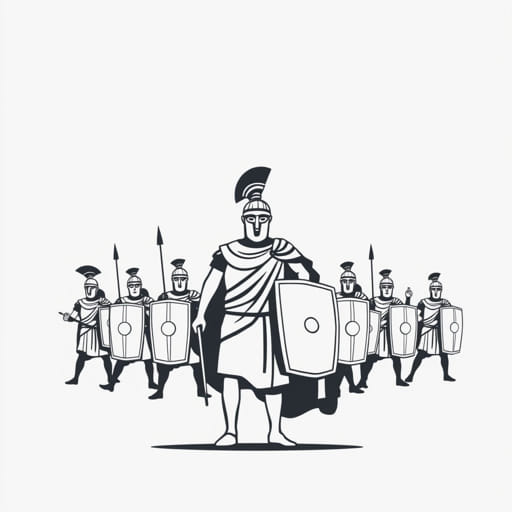
Leading a troop under the command of Julius Caesar stands as one of the most iconic examples of military leadership in ancient history. Julius Caesar was not only a skilled general but also a master strategist whose command shaped the Roman Republic’s destiny. The experience of using a troop led by Julius reveals insights into the military tactics, discipline, and organizational prowess that made his forces formidable. Understanding how such a troop operated helps us grasp the broader implications of leadership, loyalty, and military innovation in Roman times.
The Military Structure Under Julius Caesar
Organization of Caesar’s Troops
Caesar’s troops were organized into legions, each consisting of roughly 4,800 soldiers. These legions were subdivided into cohorts and centuries, facilitating both command and control. The discipline and training within each unit were rigorous, ensuring soldiers could execute complex maneuvers in battle.
Leadership and Command Style
Julius Caesar was known for leading from the front, inspiring his soldiers by example. His leadership was marked by a combination of personal bravery, tactical flexibility, and effective communication. This direct involvement earned him the unwavering loyalty of his troops.
Key Tactics Used by Troops Led by Julius Caesar
Flexible Battle Formations
One of Caesar’s hallmarks was the use of adaptable battle formations that could respond quickly to changing conditions on the battlefield. His troops often shifted between the traditional Roman testudo (tortoise) formation and more aggressive attack formations depending on the situation.
Engineering and Siege Warfare
Caesar’s forces excelled not only in open battle but also in siege warfare. Troops were trained to build fortifications, trenches, and siege engines quickly. This engineering skill was crucial during campaigns such as the Siege of Alesia, where Caesar’s troops built extensive defenses to contain the enemy.
Use of Cavalry and Auxiliary Forces
Though the core of Caesar’s army was the infantry, his effective use of cavalry and allied auxiliary troops provided critical advantages in reconnaissance, flanking maneuvers, and rapid assaults. The integration of these units under a single command enhanced overall battlefield performance.
Experiencing the Morale and Discipline of Caesar’s Troops
The Role of Morale in Success
Caesar’s leadership created a strong sense of morale among his soldiers. He ensured their loyalty through rewards, shared hardships, and personal involvement. This high morale was a key factor in their ability to endure long campaigns and fierce battles.
Strict Discipline and Training
Discipline was enforced strictly, but with fairness. Training routines prepared soldiers for the harsh realities of war, and punishments for failure or desertion were clear and consistent. This balance maintained order and effectiveness in the ranks.
Significant Campaigns Featuring Troops Led by Julius Caesar
The Gallic Wars
Perhaps the most famous campaigns involving Julius Caesar’s troops were the Gallic Wars, spanning from 58 to 50 BCE. During these campaigns, Caesar led his legions against various Gallic tribes, employing both military might and diplomatic skill. The success of these campaigns expanded Roman influence and demonstrated the effectiveness of his troop leadership.
The Civil War Against Pompey
In the Roman Civil War, Caesar’s troops faced off against forces loyal to Pompey. Despite being outnumbered at times, Caesar’s leadership and the discipline of his troops resulted in crucial victories such as the Battle of Pharsalus in 48 BCE, cementing his control over Rome.
Legacy of Troops Led by Julius Caesar
Impact on Roman Military Doctrine
The success of Julius Caesar’s troops influenced Roman military doctrine for centuries. His emphasis on flexibility, engineering, and integrated forces became standards in Roman warfare. The detailed records of his campaigns also provided valuable lessons for future generals.
Inspiration for Future Leaders
Julius Caesar’s model of leadership combining personal courage, tactical brilliance, and care for his soldiers inspired many military commanders throughout history. Using a troop led by Julius represents the pinnacle of disciplined, motivated, and well-commanded forces.
Challenges Faced by Troops Under Julius Caesar
Harsh Campaign Conditions
Despite their successes, Caesar’s troops endured difficult conditions, including long marches, harsh weather, and supply shortages. Their ability to adapt and persevere was a testament to their training and morale.
Political Uncertainty
Serving under Julius Caesar also meant navigating the political turmoil of the late Roman Republic. Soldiers often faced uncertainty about their future and the legitimacy of their campaigns, yet loyalty to Caesar remained strong.
Using a troop led by Julius Caesar meant being part of one of the most effective and disciplined military forces in ancient history. The combination of strategic innovation, strict training, and inspirational leadership produced a troop capable of overcoming immense challenges. The legacy of these troops extends beyond their victories, influencing military thinking and leadership ideals for generations. Understanding how Caesar’s troops operated offers valuable insights into the nature of leadership, discipline, and military success that remain relevant today.