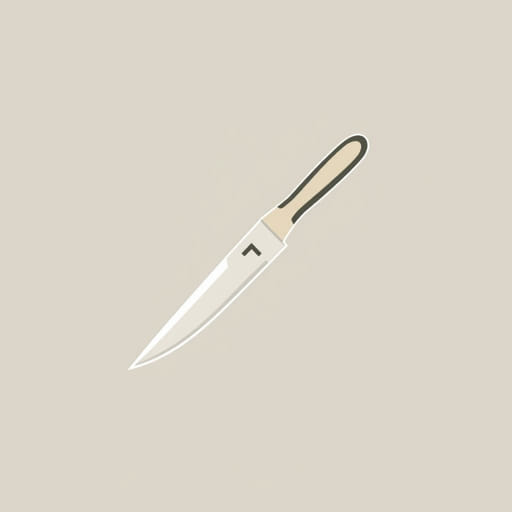
In the world of plant propagation, budding and grafting are two essential techniques used by horticulturists, gardeners, and farmers to replicate desirable plant traits. At the core of both these techniques lies a specialized tool the budding and grafting knife. Designed for precision and clean cuts, this tool plays a critical role in ensuring the success of grafting and budding operations. Understanding how to properly use a budding and grafting knife can make the difference between a healthy, thriving graft and one that fails to take. These knives are not just simple blades they are precision instruments crafted specifically for plant work.
Understanding the Budding and Grafting Knife
A budding and grafting knife is a hand tool with a short, sharp blade that allows users to make clean, controlled cuts on plant stems and branches. Depending on the model, some knives have a single blade, while others feature dual blades for different types of grafts. Some budding knives also have a small spatula or bark lifter on the end to help separate bark from the wood.
Types of Grafting and Budding Knives
- Single-blade grafting knife: Ideal for whip and tongue grafts, cleft grafts, and general cutting tasks.
- Budding knife: Features a thinner blade with a curved tip and may include a bark lifter for easier bud insertion.
- Dual-purpose knife: Combines features of both budding and grafting knives for versatility in the field.
The choice of knife depends on the specific task and the user’s comfort with the tool. Regardless of type, all budding and grafting knives must be extremely sharp to prevent damage to plant tissues.
Preparing for Use
Before using a budding or grafting knife, it’s important to ensure that the blade is clean and sharp. A dull knife can crush plant tissues rather than slicing them cleanly, reducing the chance of a successful graft or bud union. Sanitize the blade with alcohol or a diluted bleach solution to prevent the spread of plant diseases.
Having the right materials and safety equipment is also important. Wear gloves if needed for protection, and ensure a stable surface for cutting. Always cut away from your body and fingers to avoid injury.
Sharpening and Maintenance
Regular maintenance keeps the budding and grafting knife in good condition. Sharpen the blade using a fine sharpening stone or strop before each use. A properly sharpened knife should glide through plant tissue effortlessly. After use, clean and dry the knife, and store it in a protective sheath to prevent dulling or rust.
Using a Grafting Knife
Grafting involves joining two different plant parts so that they grow as one. The upper part, called the scion, is joined to the lower part, the rootstock. The success of this technique depends heavily on making precise cuts and aligning the cambium layers of the scion and rootstock. Here’s how to use a grafting knife in various grafting methods:
Whip and Tongue Graft
This is a common technique used for fruit trees and involves making matching slanted cuts on both the scion and the rootstock.
- Use the knife to make a sloping cut about 1.5 to 2 inches long on both pieces.
- Make a secondary vertical cut (the tongue) on both cuts to help lock the scion and rootstock together.
- Fit the pieces together, making sure the cambium layers align.
- Wrap the graft union tightly with grafting tape or rubber strips.
Cleft Graft
This method is ideal for grafting small scions onto larger rootstocks or branches.
- Split the rootstock down the middle using the knife.
- Shape the base of the scion into a wedge using careful slicing motions.
- Insert the scion into the cleft, aligning cambium layers.
- Seal the graft area with grafting wax or tape to prevent moisture loss.
Using a Budding Knife
Budding is a type of grafting where a single bud is inserted into the bark of another plant. It is most often used for roses and fruit trees. The budding knife allows precise removal of buds and easy insertion into the rootstock bark.
T-Budding Technique
One of the most popular budding methods is T-budding. Here’s how to use the budding knife for this method:
- Choose a healthy bud from the scion plant.
- Use the budding knife to make a T-shaped incision on the bark of the rootstock.
- Lift the flaps of bark with the bark lifter (if the knife has one).
- Cut a shield-shaped bud from the scion using the knife, including a small piece of bark and bud.
- Insert the bud into the T-shaped opening and press it firmly.
- Wrap the area with budding tape, leaving the bud exposed.
Chip Budding
Chip budding is used when bark is not slipping or during cooler months.
- Use the knife to cut a small chip from the rootstock.
- Make a matching cut around the bud on the scion.
- Fit the scion chip into the rootstock cut, aligning cambium layers.
- Secure with budding tape to hold the chip in place until it heals.
Best Practices for Success
Using a budding and grafting knife requires patience, skill, and attention to detail. Follow these tips to improve success rates and safety:
- Practice on non-valuable plants before attempting grafts on prized specimens.
- Keep your knife razor-sharp for the cleanest cuts.
- Make all cuts swiftly and smoothly to avoid crushing tissue.
- Work in a clean environment to prevent contamination.
- Label grafted plants with the date and variety for easy tracking.
Benefits of Proper Tool Use
When used correctly, a budding and grafting knife improves the accuracy and cleanliness of your grafts, leading to a higher success rate. Clean cuts promote faster healing and better vascular connection between plant parts. These knives also make the work safer and more efficient, reducing hand fatigue and increasing confidence.
Investing in a high-quality knife and learning how to use it properly can enhance your gardening and propagation skills. Whether you’re grafting apple trees or budding rose bushes, mastering this tool opens the door to producing uniform, healthy, and productive plants.
Essential Tool for Propagation
The budding and grafting knife is an indispensable tool for anyone involved in plant propagation. It allows for precision in grafting and budding techniques that support the growth of improved plant varieties. By maintaining a sharp blade, using proper technique, and understanding the needs of each plant, users can achieve strong and lasting graft unions. Whether in a home garden or a commercial nursery, the careful use of a budding and grafting knife is key to propagation success.