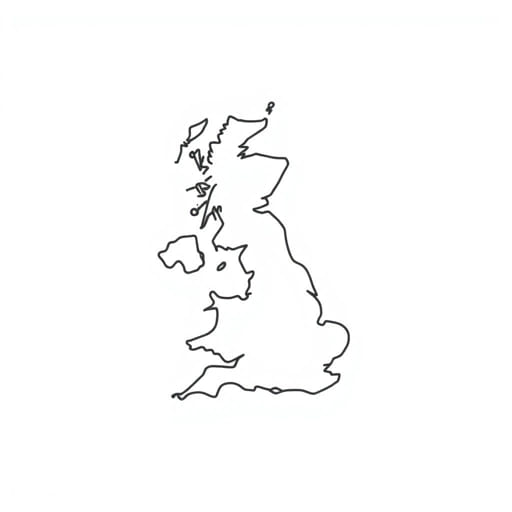
The United Kingdom Other Names and Their SignificanceThe United Kingdom (UK) is a nation that is known by several names, each reflecting different aspects of its identity, history, and geography. While ‘the United Kingdom’ is the official title, it is also commonly referred to by other names both within the UK and abroad. This topic explores the various names used for the UK, the reasons behind them, and what they represent about this diverse and influential country.
The Official Name The United Kingdom of Great Britain and Northern Ireland
The full and formal name of the UK is The United Kingdom of Great Britain and Northern Ireland. This title reflects the union of four countries England, Scotland, Wales, and Northern Ireland. The name Great Britain refers to the island that includes England, Scotland, and Wales, while Northern Ireland refers to the part of the island of Ireland that remains part of the UK.
The term ‘United Kingdom’ itself signifies the political union of these territories, which has evolved over several centuries, beginning with the union of the crowns of England and Scotland in 1603, and later, the formal union of the two countries in 1707. The union with Ireland occurred in 1801, though the Irish Free State became independent in 1922, leaving Northern Ireland as part of the UK.
Britain A Commonly Used Abbreviation
Britain is a frequently used shorthand for the United Kingdom, although it technically refers only to the island of Great Britain, which consists of England, Scotland, and Wales. People often use the term ‘Britain’ when talking about the UK in a general sense, even though it does not include Northern Ireland.
The term ‘Britain’ is often used in media, politics, and everyday conversation as a more casual way of referring to the nation. For example, the term ‘British’ refers to people from the UK, and ‘British Isles’ is sometimes used to describe the geographical group of islands that include Great Britain and Ireland.
The British Isles A Geographical Term
The British Isles is a geographical term used to describe the group of islands located off the northwestern coast of mainland Europe. This includes Great Britain, Ireland, the Isle of Man, and the Channel Islands. It is important to note that while the term is commonly used, it can be controversial, particularly in Ireland, where the term ‘British Isles’ is often rejected for its association with British imperialism.
This term does not refer to any political union but is strictly a geographical classification. Some people use the British Isles when talking about the islands collectively, though it is more accurate to refer to the UK when discussing the political union of Great Britain and Northern Ireland.
Albion A Historic and Poetic Name
Albion is an ancient and poetic name for the island of Great Britain. The origin of the name is not entirely clear, but it is thought to come from the Latin word ‘albus’, meaning ‘white,’ which may refer to the white cliffs of Dover, visible from the European mainland.
Albion was used by early writers, such as William Shakespeare and Geoffrey Chaucer, to refer to Britain. Over time, the name has come to evoke a sense of Britain’s ancient history and its connection to classical literature. Today, Albion is still used in certain contexts, particularly in literature and music, to evoke a romantic or historical image of Britain.
England, Scotland, and Wales The Constituent Countries
While the United Kingdom consists of four countries, England, Scotland, and Wales are often mistakenly used interchangeably with the UK. However, each of these countries has its own distinct identity, culture, and history.
-
England is the largest and most populous country in the UK. It is often associated with the UK as a whole due to its central role in the union’s formation and its position as the political and economic heart of the nation.
-
Scotland is a country with a unique heritage and strong national identity. It became part of the UK through the union with England in 1707, but Scotland retains its own legal system, education system, and distinct cultural traditions.
-
Wales, which shares a border with England, is also a country within the UK. It has its own language, Welsh, and is known for its rugged landscapes and rich cultural heritage.
While each of these countries is part of the UK, they also maintain a sense of national pride and distinct identity, often emphasizing their unique traditions and histories.
The British Empire A Historical Legacy
Historically, the UK is also known for its role as the center of the British Empire, the largest empire in history, which at its peak controlled vast territories across Africa, Asia, the Americas, and the Pacific. Though the British Empire no longer exists, its impact on the global political and cultural landscape is still felt today.
During the height of the empire, the phrase ‘the British Empire’ referred to the territories under British rule. While this term is not used to describe the current political structure of the UK, the legacy of the British Empire is often a topic of discussion in terms of the country’s influence on world history, trade, and culture.
Great Britain A Term Often Used in Global Context
Great Britain is another term that is often used interchangeably with the UK, but it technically refers only to the island that includes England, Scotland, and Wales not Northern Ireland. The term is commonly used in international contexts when referring to the island of Britain as a whole, particularly in sports, where Team Great Britain is used for the UK’s Olympic teams.
The UK as a Global Power
Throughout history, the UK has been recognized as a significant global power, known for its economic strength, military prowess, and cultural influence. Terms like ‘British Empire’ and ‘Great Britain’ reflect this global standing. Today, the UK continues to wield considerable influence, especially in areas such as finance, diplomacy, culture, and international relations.
The United Kingdom is known by many names, each with its own historical, cultural, or geographical significance. Whether referred to as Britain, Great Britain, Albion, or the British Isles, each term adds a layer to the understanding of the country’s identity and history. From its ancient roots as Albion to its modern role on the global stage, the UK remains a country that evokes both tradition and progress.
These names offer insights into the evolution of the UK, reflecting its complex political structure, rich history, and varied cultural identity. Whether used in everyday conversation or in more formal contexts, these names continue to shape the narrative of one of the world’s most influential nations.