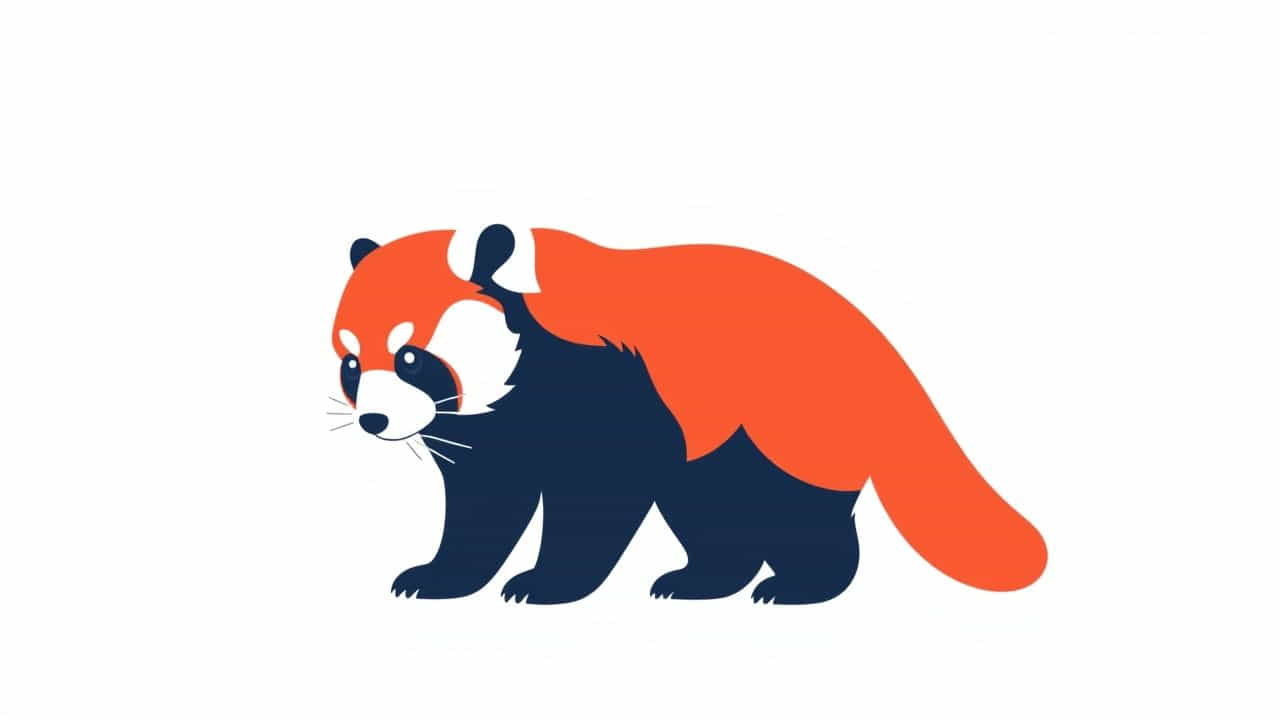
When people hear the word "panda," they often think of the giant panda the black-and-white bear famous for munching on bamboo. However, there is another panda that is just as fascinating but much smaller the red panda. Despite sharing a similar name, these two animals are not closely related.
In this topic, we’ll explore the differences, similarities, habitat, diet, and interesting facts about both the giant panda (Ailuropoda melanoleuca) and the red panda (Ailurus fulgens).
1. What Is a Giant Panda?
The giant panda is a large bear species native to China. It is best known for its black-and-white fur, round face, and love for bamboo. Giant pandas belong to the Ursidae (bear) family, making them true bears.
1.1 Physical Characteristics
✔️ Size: About 4 to 6 feet (1.2 to 1.8 meters) long.
✔️ Weight: Males can weigh up to 160 kg (350 lbs).
✔️ Fur: Thick black and white coat that helps with camouflage.
✔️ Face: Round face with distinctive black patches around the eyes.
1.2 Habitat
✔️ Giant pandas live in the mountainous forests of China, mainly in Sichuan, Shaanxi, and Gansu provinces.
✔️ They prefer dense bamboo forests with cool temperatures.
1.3 Diet
✔️ Despite being classified as carnivores, 99% of their diet consists of bamboo.
✔️ Occasionally, they eat fruits, eggs, and small animals.
1.4 Behavior
✔️ They are solitary animals, meaning they prefer to live alone.
✔️ Pandas spend around 12-16 hours a day eating bamboo.
✔️ They are excellent climbers and can even swim.
2. What Is a Red Panda?
The red panda is a small, tree-dwelling mammal native to the Himalayan forests and parts of China and Nepal. Unlike the giant panda, the red panda is not a bear it belongs to its own unique family, Ailuridae.
2.1 Physical Characteristics
✔️ Size: About 20 to 26 inches (50 to 66 cm) long, with a bushy tail that adds another 12-20 inches (30-50 cm).
✔️ Weight: Weighs between 3.2 to 6.8 kg (7 to 15 lbs).
✔️ Fur: Reddish-brown coat with a white face and black belly.
✔️ Tail: Ringed, bushy tail helps with balance and warmth.
2.2 Habitat
✔️ Found in high-altitude forests in Nepal, India, Bhutan, and Myanmar.
✔️ Prefers cool, dense forests with bamboo plants.
2.3 Diet
✔️ Like giant pandas, red pandas mostly eat bamboo, but they also eat fruits, berries, eggs, and small mammals.
✔️ They have a pseudo-thumb, an extension of the wrist bone that helps them grab food.
2.4 Behavior
✔️ Solitary and territorial, except during mating season.
✔️ Most active during dawn and dusk (crepuscular animals).
✔️ Skilled climbers, often spending time in trees.
3. Are Giant Pandas and Red Pandas Related?
Despite their shared name, giant pandas and red pandas are not closely related.
3.1 Evolutionary Differences
✔️ Giant pandas belong to the bear family (Ursidae).
✔️ Red pandas belong to the Ailuridae family, which is more closely related to raccoons and skunks.
3.2 Why Are They Both Called Pandas?
✔️ The name "panda" was originally used for red pandas, which were discovered before the giant panda.
✔️ When scientists found the giant panda, they noticed its similar bamboo diet and gave it the same name.
4. Key Differences Between Giant Pandas and Red Pandas
| Feature | Giant Panda | Red Panda |
|---|---|---|
| Scientific Name | Ailuropoda melanoleuca | Ailurus fulgens |
| Family | Ursidae (Bear family) | Ailuridae |
| Size | 4 to 6 feet long, 160 kg weight | 20-26 inches long, 3-6 kg weight |
| Fur Color | Black and white | Reddish-brown |
| Habitat | China, mountain forests | Himalayan forests |
| Diet | Mostly bamboo | Bamboo, fruits, small animals |
| Behavior | Mostly ground-dwelling | Tree-dwelling |
| Activity | Active during the day | Active at dawn and dusk |
5. Similarities Between Giant Pandas and Red Pandas
Even though they are different species, giant pandas and red pandas share some similarities:
✔️ Both are bamboo eaters – They have evolved to eat large amounts of bamboo despite being classified as carnivores.
✔️ Both have a pseudo-thumb – A special wrist bone that helps them grip bamboo.
✔️ Both are excellent climbers – Red pandas spend most of their time in trees, while giant pandas can climb to escape danger.
✔️ Both are endangered species – Their populations are declining due to habitat loss.
6. Conservation Status and Threats
Both giant pandas and red pandas face serious threats in the wild.
6.1 Giant Panda Conservation
✔️ Status: "Vulnerable" (previously endangered).
✔️ Threats: Deforestation, habitat destruction, and low birth rates.
✔️ Conservation Efforts: The Chinese government has created protected reserves, and breeding programs have helped increase their numbers.
6.2 Red Panda Conservation
✔️ Status: "Endangered" (population is rapidly declining).
✔️ Threats: Deforestation, poaching, and climate change.
✔️ Conservation Efforts: Organizations like the Red Panda Network work to protect them by creating safe habitats.
7. Interesting Facts About Giant Pandas and Red Pandas
7.1 Fun Facts About Giant Pandas
✔️ Newborn pandas are tiny! They weigh only about 100 grams, the size of a stick of butter.
✔️ Pandas communicate through sounds like bleats, honks, and growls.
✔️ A panda’s diet is 99% bamboo, but they still have a digestive system similar to a carnivore.
7.2 Fun Facts About Red Pandas
✔️ Red pandas can stand on their hind legs to appear bigger when threatened.
✔️ They have a sweet tooth and love to eat sugar and fruit.
✔️ They use their tails as a blanket to stay warm in cold temperatures.
The giant panda and red panda may share a name and a love for bamboo, but they are very different animals. The giant panda is a large bear, while the red panda is a small, tree-dwelling mammal. Both species face threats in the wild, but conservation efforts are helping protect them.
By learning more about these fascinating creatures, we can appreciate their uniqueness and support efforts to preserve their habitats. Whether it’s the playful giant panda or the adorable red panda, both remain icons of wildlife conservation and beloved animals around the world.