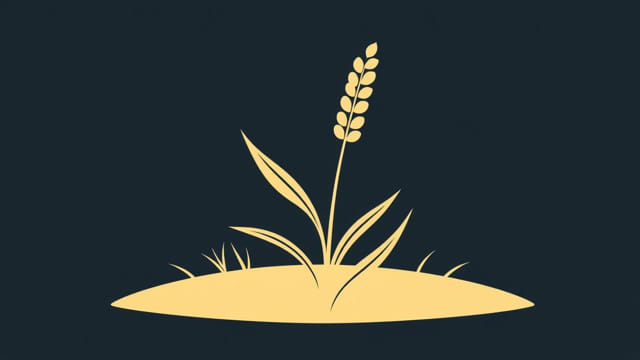
Jowar A Monocotyledonous Plant and Its ImportanceJowar, also known as sorghum, is a cereal grain that belongs to the monocotyledonous plant group. As one of the oldest cultivated crops, jowar has been a staple food for many populations, especially in regions like India, Africa, and parts of the Middle East. In this topic, we will explore the characteristics of jowar, its classification as a monocotyledon, its benefits, and its role in agriculture and food security.
What Are Monocotyledonous Plants?
Monocotyledonous plants, or monocots, are a group of angiosperms (flowering plants) that are characterized by having a single cotyledon, or seed leaf, in the embryo. These plants are different from dicotyledonous plants, which have two cotyledons. Monocots typically exhibit parallel-veined leaves, fibrous root systems, and floral parts that appear in multiples of three.
Examples of monocotyledonous plants include grasses, lilies, orchids, and palm trees. Jowar, like other monocots, shares these key features, making it an important member of this plant group.
Jowar’s Role as a Monocot
Jowar is classified as a monocot because it develops from a seed that has only one cotyledon. This characteristic places it alongside other cereals, such as rice, maize, and wheat, which are also monocots. Jowar’s botanical classification is important because it helps us understand its growth patterns, structure, and agricultural needs.
The plant exhibits the following monocot characteristics
-
Single Cotyledon Jowar seeds contain only one cotyledon, which is the first leaf-like structure to appear when the seed germinates.
-
Parallel Leaf Venation The leaves of jowar have parallel veins, a hallmark of monocot plants.
-
Fibrous Root System Unlike dicots, which typically have a taproot, jowar develops a fibrous root system that helps it absorb water and nutrients from the soil.
-
Floral Structures The flowers of jowar are typically organized in clusters known as panicles and have floral parts in multiples of three, which is another defining feature of monocots.
The Agricultural Significance of Jowar
Jowar is a drought-resistant crop, making it particularly valuable in areas with limited rainfall. Its ability to grow in arid and semi-arid regions contributes to its importance as a food and fodder crop. In addition to being a staple food source for many, jowar is also used as animal feed and for making products like flour, syrup, and alcoholic beverages.
As a monocot, jowar benefits from a fibrous root system that allows it to survive in less fertile soil, giving it a comparative advantage over some other crops that are more dependent on specific soil conditions. This resilience to challenging climates has made jowar an essential crop in regions prone to droughts.
Nutritional Value of Jowar
Jowar is highly valued for its nutritional content. It is rich in carbohydrates, fiber, and protein, making it an excellent source of energy. The grain also provides essential vitamins and minerals, including iron, phosphorus, and calcium. These nutrients contribute to overall health, supporting the immune system, bone strength, and digestive health.
Additionally, jowar is naturally gluten-free, which makes it a suitable alternative for people with gluten intolerance or celiac disease. This characteristic has contributed to the rising popularity of jowar in gluten-free diets.
Health Benefits of Jowar
Due to its rich nutrient profile, jowar offers several health benefits
-
Supports Digestive Health The high fiber content in jowar aids in digestion by promoting regular bowel movements and preventing constipation.
-
Helps Manage Blood Sugar Levels Jowar is considered to be a low glycemic index food, making it beneficial for people with diabetes or those looking to maintain stable blood sugar levels.
-
Promotes Heart Health The fiber, potassium, and antioxidants found in jowar help reduce the risk of cardiovascular diseases by improving cholesterol levels and reducing high blood pressure.
-
Boosts Immunity Jowar contains iron, which is essential for the production of red blood cells, and calcium, which supports strong bones. These nutrients contribute to overall immunity and health.
Jowar in Modern Agriculture
In modern agriculture, jowar plays an important role in crop rotation systems. As a drought-tolerant monocot, it helps improve soil health by reducing water usage and preventing soil erosion. Farmers often grow jowar in regions that face irregular rainfall, making it a dependable crop that can thrive even in difficult conditions.
Moreover, jowar requires fewer inputs compared to other crops, making it a more sustainable and cost-effective option for many farmers. Its ability to grow with minimal irrigation and low fertilizer requirements makes it an environmentally friendly choice.
The Future of Jowar in Global Agriculture
As the global population continues to grow, there is an increasing need for sustainable food sources. Jowar’s resilience to drought, high nutritional value, and ability to grow in poor soil make it an attractive option for future agricultural systems, especially in areas that are prone to the effects of climate change.
In many parts of the world, including India and Africa, there is renewed interest in cultivating jowar as a means of ensuring food security. Researchers are also working on developing new varieties of jowar that can resist pests and diseases while maintaining or improving their nutritional content.
Jowar is a remarkable monocotyledonous plant that has stood the test of time. As a drought-resistant, nutritious, and versatile crop, jowar plays a significant role in feeding people around the world and supporting sustainable agricultural practices. Its unique botanical features, such as its single cotyledon and fibrous root system, make it a valuable member of the monocot family.
As we continue to face challenges related to climate change and food security, crops like jowar may become even more important in ensuring a stable and healthy food supply for future generations. Whether as a staple food, animal feed, or an environmentally friendly crop, jowar’s contribution to global agriculture is undeniable.