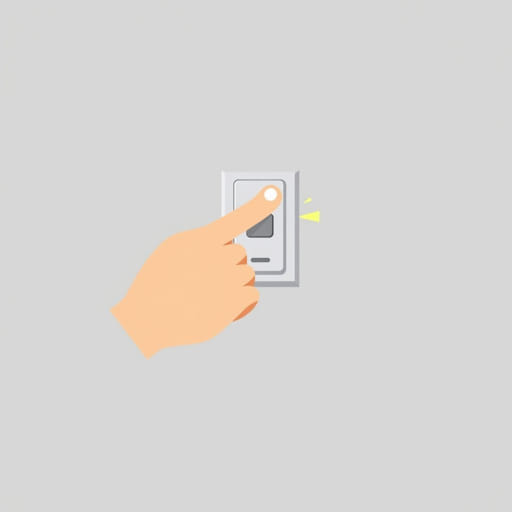
It happened in an instant. One moment I was flipping the light switch, and the next, a sharp, unexpected jolt surged through my fingertips. Getting zapped by a light switch was not something I had ever prepared for, and it left me both startled and curious. Was it dangerous? Why did it happen? And more importantly, how can I prevent it from happening again? Understanding the causes, implications, and solutions for getting shocked by a light switch is not only essential for safety but also helps build confidence in managing everyday electrical components in the home.
What It Means to Get Zapped by a Light Switch
When someone says, I got zapped by a light switch, they are referring to a mild electric shock that occurs when they touch or operate a switch connected to an electrical circuit. This shock typically feels like a quick sting or a sudden buzz in the fingers, often accompanied by a tiny spark or even a flicker of pain. While these zaps are usually harmless in low-voltage household systems, they signal an underlying problem that shouldn’t be ignored.
Common Reasons for Electrical Shocks from Switches
Experiencing an electrical shock from a light switch can stem from several causes. Understanding them is the first step toward prevention and safety.
- Static Electricity: The most benign cause. Dry air or synthetic clothing can create a static charge that discharges when you touch a switch.
- Faulty Wiring: If the switch is not grounded properly or wires are loose inside the wall, contact with the switch can result in a minor shock.
- Old or Damaged Switch: Over time, switches wear out. Exposed internal components or cracked casing can expose users to live current.
- Improper Installation: If an untrained individual installed the switch, it might not comply with electrical codes, increasing the risk of shocks.
How Dangerous Is Getting Zapped?
Most light switch zaps in residential homes involve small amounts of electricity and are not life-threatening. However, they shouldn’t be dismissed. Even mild shocks can point to unsafe wiring or aging components that could eventually lead to electrical fires or more serious accidents.
The severity depends on several factors:
- Voltage Level: Standard household switches operate at 110-240 volts, depending on your region. A shock at this voltage can be painful but rarely fatal unless there’s a medical condition or extended contact.
- Grounding: Properly grounded systems direct excess electricity away from you. Poor grounding increases risk.
- Moisture: If your hands are wet or if the switch is in a humid area (like a bathroom), the shock could be more intense.
What to Do Immediately After Being Shocked
If you get zapped, it’s important to pause and assess your condition. Here’s what you should do:
- Stay Calm: Panic can worsen the situation or cause injury by making you fall or drop something.
- Check for Injuries: Look for burns or tingling sensations in your hand or arm. If you’re experiencing chest pain or difficulty breathing, seek medical help immediately.
- Turn Off Power: If the shock seems unusual or painful, cut off the power to the circuit from the breaker box before investigating further.
Preventing Future Electric Shocks
Nobody wants to keep saying, I got zapped by a light switch every few months. Preventing these occurrences is possible with a little attention and care.
Home Safety Tips
- Inspect Light Switches: Check for cracks, discoloration, or warmth. Any of these signs could mean trouble.
- Hire an Electrician: If you suspect faulty wiring, have a licensed professional inspect and repair it.
- Replace Old Switches: If your home is older, consider replacing switches that haven’t been updated in decades.
- Use GFCI Switches: Ground Fault Circuit Interrupters are recommended for bathrooms and kitchens where moisture is present.
- Avoid DIY Electrical Work: Unless you’re trained in electrical safety, don’t attempt to install or modify switches yourself.
Static vs. Electric Shock: Knowing the Difference
Not every zap is dangerous. Sometimes it’s simply static electricity built up from walking across a carpet or taking off a sweater. But how can you tell the difference?
- Static Shocks: Happen once, are brief, and are more common in dry environments. They don’t return with every switch flip.
- Electrical Shocks: Tend to feel sharper and occur repeatedly when using the same switch. They could be accompanied by a visible spark.
If the shock is consistent and occurs under the same conditions, you should treat it as an electrical problem and consult a professional.
Why Electrical Maintenance Matters
Regular maintenance of your home’s electrical system isn’t just about preventing shocks; it’s also about extending the life of your appliances, reducing fire risks, and improving energy efficiency. Many homeowners overlook the importance of periodic inspections until something goes wrong. If you’ve been zapped by a switch once, it’s a wake-up call to give your home’s electrical system a closer look.
When to Call a Professional
Some warning signs indicate you should stop trying to figure things out on your own and call in a licensed electrician:
- Sparks or burning smell from a switch
- Switch plate is hot to the touch
- Flickering lights when you use the switch
- Frequent shocks in the same area
Learning from a Light Switch Zap
Getting zapped by a light switch might seem like a minor incident, but it’s often a symptom of a bigger issue. Whether it’s a result of static electricity or faulty wiring, it’s always worth investigating. A safe and functional electrical system is essential in any home. Understanding what caused the shock, how to prevent future ones, and when to call in help will ensure you and your family stay safe. Don’t wait for another zap take action before it becomes a real danger.