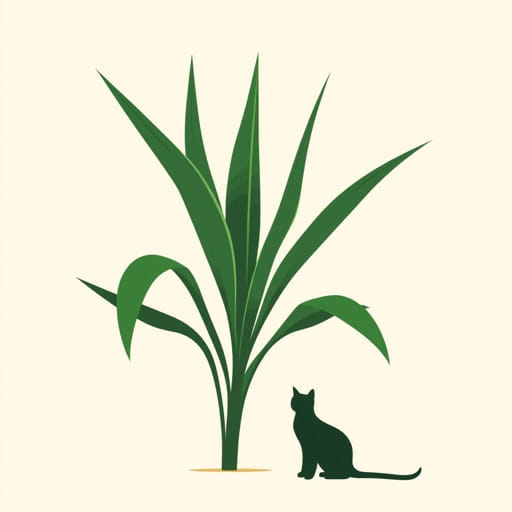
How Toxic Are Snake Plants to Cats? Understanding the Risks and Keeping Your Pet SafeSnake plants, also known as Sansevieria or mother-in-law’s tongue, are popular houseplants due to their low maintenance and striking appearance. However, if you’re a cat owner, it’s important to know whether these plants pose a risk to your feline friend. This topic explores how toxic snake plants are to cats, symptoms of poisoning, and how to keep your pet safe at home.
What Are Snake Plants?
Snake plants are succulent-type plants with long, upright, sword-shaped leaves that are often variegated with green and yellow patterns. They thrive in low light and require minimal watering, making them a favorite among indoor gardeners. Despite their benefits, snake plants contain certain compounds that can be harmful to pets.
Are Snake Plants Toxic to Cats?
Yes, snake plants are toxic to cats. The plant contains chemical compounds called saponins, which serve as a natural defense mechanism for the plant. While these compounds are mildly toxic to humans, they can be more harmful to cats if ingested.
What Happens If a Cat Eats a Snake Plant?
When a cat chews or swallows part of a snake plant, the saponins can irritate the gastrointestinal system. The severity of symptoms may vary depending on how much of the plant the cat has consumed.
Common Symptoms of Snake Plant Poisoning in Cats
-
Drooling
-
Nausea or vomiting
-
Diarrhea
-
Abdominal discomfort
-
Loss of appetite
-
Lethargy
In some cases, your cat may also experience swelling in the mouth or throat, especially if it has chewed the plant’s leaves. While fatalities are rare, discomfort and distress are common, and medical attention may be required.
What To Do If Your Cat Eats a Snake Plant
1. Observe Your Cat’s Behavior
Look for any signs of distress such as vomiting, drooling, or hiding. Cats often isolate themselves when they feel unwell.
2. Remove Access to the Plant
Take the plant out of reach immediately to prevent further ingestion. Clean the area around the plant in case pieces have fallen off.
3. Rinse Your Cat’s Mouth
If possible, gently rinse your cat’s mouth with water to remove any plant residue. Do not force it if your cat resists or becomes aggressive.
4. Contact a Veterinarian
Even if symptoms seem mild, it’s wise to call a veterinarian. They can advise you on whether your cat needs to come in for treatment or if monitoring at home is sufficient.
How Veterinarians Treat Snake Plant Poisoning
If your cat visits the vet, treatment will depend on the symptoms. The vet may
-
Induce vomiting (only under controlled conditions)
-
Administer activated charcoal to limit toxin absorption
-
Provide IV fluids to combat dehydration
-
Prescribe medications to ease stomach discomfort
Most cats recover within a day or two with appropriate care.
Preventing Exposure to Snake Plants
If you love houseplants but also want to keep your cat safe, prevention is key.
1. Place Plants Out of Reach
Keep snake plants on high shelves or in hanging baskets where your cat can’t access them. However, be aware that some cats are agile climbers.
2. Use Pet Deterrents
There are pet-safe sprays that deter chewing by making plants taste bitter. Citrus peels around the base of plants can also discourage curious cats.
3. Train Your Cat
Use positive reinforcement to teach your cat to avoid houseplants. Offer cat grass or catnip as a safer alternative to satisfy their chewing instincts.
Cat-Friendly Plant Alternatives
If you’re concerned about your cat’s safety, consider replacing toxic plants with non-toxic alternatives. Some cat-safe indoor plants include
-
Spider plant
-
Areca palm
-
Calathea
-
Prayer plant
-
Bamboo palm
These plants are not only beautiful but also safe for feline households.
Why Do Cats Eat Plants?
Cats may chew on plants out of boredom, curiosity, or digestive need. Some cats chew on greenery to help with hairball elimination or to induce vomiting when they feel sick. Ensuring your cat has enough stimulation, a healthy diet, and safe chewing options can reduce this behavior.
Can Snake Plant Poisoning Be Fatal?
While snake plants are not among the most deadly toxic plants for cats, the risk is still present. In most cases, poisoning results in mild to moderate symptoms. However, repeated exposure or large amounts of ingestion could cause more serious problems. If left untreated, even mild symptoms can lead to complications like dehydration or gastrointestinal stress.
How to Cat-Proof Your Home
Creating a cat-safe environment means being mindful of what you bring into your home. Here are some tips
-
Research any new houseplant before purchasing
-
Secure garbage bins to prevent access to discarded plant trimmings
-
Keep emergency vet numbers handy
-
Educate other household members about pet-safe practices
Snake plants may be beautiful and easy to care for, but they are not safe for cats. Understanding the risks and recognizing the symptoms of plant toxicity can make a big difference in your cat’s health. If you suspect your cat has chewed on a snake plant, act quickly and consult a veterinarian. For long-term safety, consider switching to pet-friendly houseplants and keeping a close eye on your curious feline.
Your cat’s safety starts with awareness and prevention and with a few adjustments, you can enjoy a home that’s both stylish and safe.