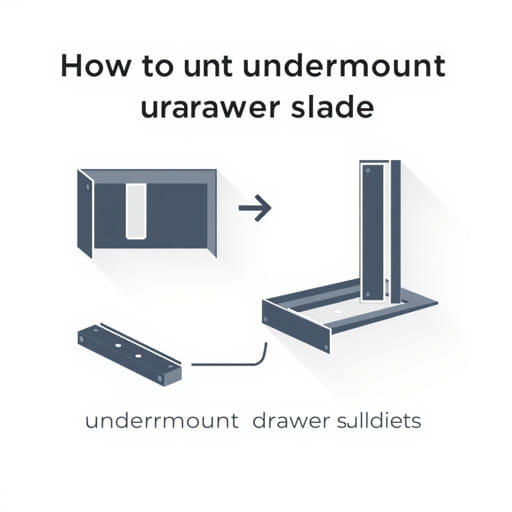
Installing undermount drawer slides can seem challenging at first, but with the right tools and clear instructions, you can complete the task like a pro. Undermount drawer slides are popular for their clean look, smooth operation, and soft-close features. Unlike side-mount slides, they are hidden underneath the drawer, which enhances the aesthetic of your furniture or cabinetry. This guide will walk you through each step of the installation process and help you avoid common mistakes along the way. Whether you’re replacing old hardware or building new drawers, knowing how to undermount drawer slides will help ensure a professional result.
Understanding Undermount Drawer Slides
Before diving into installation, it’s essential to understand what undermount drawer slides are and why they’re preferred for modern cabinetry. These slides attach to the bottom of the drawer and the back of the cabinet, offering a concealed, sleek appearance. They typically come with a soft-close mechanism and are ideal for kitchen cabinets, bathroom vanities, and custom furniture.
Benefits of Undermount Slides
- Hidden from view when the drawer is open
- Soft-close or self-close options for smooth operation
- Stable and quiet movement
- Easy to remove and reinsert drawers
Tools and Materials You Will Need
To get started, gather the necessary tools and materials. Proper preparation ensures accurate installation and saves time during the process.
- Undermount drawer slide kit (including locking devices)
- Drawer and cabinet box
- Drill and drill bits
- Measuring tape
- Pencil
- Level
- Phillips screwdriver
- Clamps (optional for holding pieces in place)
Step-by-Step Installation Guide
1. Measure Your Drawer and Cabinet Opening
Accurate measurement is crucial. Measure the width, height, and depth of your cabinet opening and drawer box. Undermount drawer slides require specific drawer box dimensions, typically with a shorter height and precise clearance on each side for the hardware to fit correctly.
2. Prepare the Drawer Box
The sides of the drawer must be exactly 1/2 inch thick and allow for the undermount slide hardware underneath. You may need to notch the back bottom corners of the drawer box to accommodate the slide rails. The drawer bottom must also be inset slightly to allow the slides to sit below the drawer sides.
3. Attach the Locking Devices
Most undermount drawer slide systems include front locking devices that attach underneath the drawer near the front corners. These devices connect to the slides and help keep the drawer in place. Use a screwdriver to attach them according to the slide manufacturer’s template or recommendations. Make sure they are square and aligned with each other.
4. Mount the Drawer Slides Inside the Cabinet
Now install the main slides inside the cabinet. These typically attach to the side walls near the bottom of the cabinet or mount to a back wall using mounting brackets. Use a level and pencil to mark where each slide should sit. Secure the slides with screws, making sure they are perfectly parallel and level. If not aligned correctly, the drawer will not open or close smoothly.
5. Slide the Drawer Onto the Tracks
With the slides in place and the locking devices attached, insert the drawer box by resting it on the undermount slides. Gently push it into the cabinet. You should hear or feel a click as the locking devices engage with the slides. The drawer should glide smoothly and stop fully closed.
6. Test for Proper Fit and Movement
Open and close the drawer several times to ensure smooth movement. Check that the drawer sits flush with the cabinet front. If adjustments are needed, most locking devices have small levers or wheels to fine-tune height and side-to-side alignment. Make these adjustments as necessary until the drawer opens and closes perfectly.
Tips for Success
- Always follow the manufacturer’s instructions, as designs can vary.
- Use a cabinet hardware jig or template for precise measurements.
- Double-check that both slides are mounted at the exact same height and depth.
- If your cabinet doesn’t have side walls to mount to, use rear brackets to secure the slides.
- Pre-drill screw holes to avoid splitting the wood.
Troubleshooting Common Problems
Drawer Does Not Close Fully
This can happen if the slides are not aligned properly or if the locking devices are not engaged. Remove the drawer and verify that both slides are parallel and level. Re-insert the drawer and push until it clicks.
Drawer Is Crooked
If the drawer appears tilted, use the adjustment mechanisms on the locking devices to correct the angle. You can usually raise or lower each side slightly to ensure a level front.
Drawer Is Hard to Insert
Ensure the locking devices are properly positioned and that there is no debris or misalignment inside the slide tracks. Don’t force the drawer this can damage the slides.
Why Choose Undermount Drawer Slides
In addition to their concealed design, undermount drawer slides provide superior functionality. Their soft-close feature helps prevent slamming and reduces wear on the drawer. They also increase storage space because they don’t require the clearance that side-mount slides do. If you’re updating your cabinetry, installing undermount slides adds a touch of luxury and improves the overall user experience.
Learning how to undermount drawer slides is a valuable skill for anyone working on home improvement or custom furniture projects. With accurate measurements, quality materials, and attention to detail, you can achieve professional-grade results. Take your time, follow each step carefully, and soon you’ll enjoy the smooth, elegant operation that undermount slides provide.