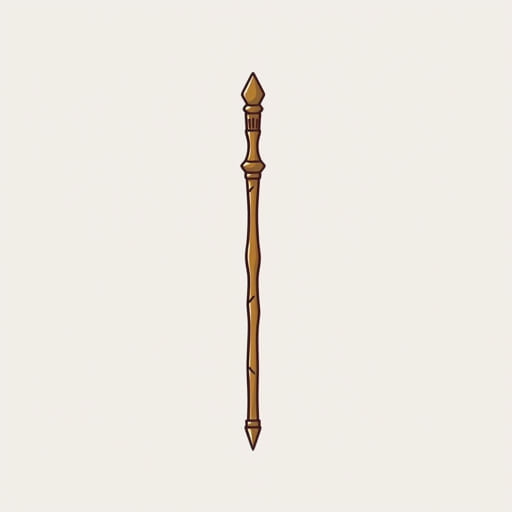
In the world of Dungeons & Dragons, few weapons are as iconic, simple, and versatile as the quarterstaff. Used by monks, wizards, and fighters alike, this seemingly basic piece of wood is much more than it appears. While its function and stats are well-covered in the official rules, many players often wonder just how long a quarterstaff is in DnD, both in terms of real-world measurements and its implications in combat. Understanding the length of a quarterstaff can provide useful context for gameplay, character flavor, and immersive storytelling.
Physical Length of a Quarterstaff
General Measurement
In most Dungeons & Dragons settings, a quarterstaff is typically assumed to be around 6 feet long, or approximately 1.8 meters. This measurement is not directly specified in the core rulebooks, but it aligns with historical interpretations of similar real-world weapons. A 6-foot staff is long enough to be wielded with both hands, offers reasonable reach, and provides ample leverage in combat or utility tasks.
The name quarterstaff comes from medieval England, where it was used as a simple pole weapon by peasants and travelers. Real-life quarterstaves often measured between 6 and 9 feet depending on the user’s size and fighting style. In the DnD context, however, the 6-foot version is generally accepted to maintain consistency with grid-based combat systems.
Length Variations
While 6 feet is a standard assumption, some Dungeon Masters may allow characters to customize the size of their staff slightly. A monk might prefer a shorter staff for faster strikes, while a druid might craft a longer staff from a tree branch to fit a more ceremonial role. However, most of these choices are purely cosmetic and do not affect game mechanics unless house rules say otherwise.
Quarterstaff in Gameplay
Weapon Properties
In DnD 5e, the quarterstaff is listed as a simple melee weapon. It deals 1d6 bludgeoning damage when wielded in one hand, and 1d8 when wielded in two hands due to its versatile property. The weapon is usable by many classes and is especially popular among spellcasters and monks for its utility and ease of use.
- Type: Simple melee weapon
- Damage: 1d6 (one-handed), 1d8 (two-handed)
- Damage Type: Bludgeoning
- Properties: Versatile
- Cost: 2 gp
- Weight: 4 lb.
These stats don’t change based on the staff’s physical length unless house rules are introduced. The official mechanics prioritize simplicity and balance over realism in most cases.
Reach in Combat
Despite its length, a quarterstaff does not have the reach property in 5e rules. This means its attacks only affect targets within 5 feet, the standard range for melee weapons. Some players question why a 6-foot-long weapon doesn’t offer extra reach, but this is likely a balance choice. Weapons with the reach trait, like whips or glaives, are designed to explicitly provide extended range in exchange for other limitations.
That said, a creative DM might allow situational bonuses depending on how the quarterstaff is used, especially in narrative-driven moments. For instance, pushing a lever or poking a suspicious object at a distance might benefit from the staff’s full length, even if it doesn’t alter combat stats.
Class Interactions with Quarterstaff
Monks
The quarterstaff is a go-to weapon for monks. Because it is a monk weapon and versatile, it can be used with the Martial Arts feature and combined with Flurry of Blows for multiple attacks. Additionally, monks using Polearm Master (if allowed) can gain extra benefits, including opportunity attacks when enemies enter their reach and an extra attack with the butt of the weapon.
Wizards and Druids
For spellcasters, the quarterstaff often doubles as both a weapon and an arcane focus. Druids and wizards can flavor their staff as a magical conduit for spells, a walking stick, or a ritual object. Mechanically, it serves as a backup melee weapon for when spell slots run low or enemies close the distance. Some druids even use Shillelagh to enhance the weapon’s damage based on Wisdom rather than Strength.
Eldritch Knights and Hexblades
Some martial-caster hybrids also find the quarterstaff useful. With spells like Booming Blade or Green-Flame Blade, a quarterstaff attack can deal significant damage, combining melee and magic. The reach isn’t enhanced, but the synergy between class abilities and weapon features makes it a strong option in many builds.
Roleplaying and Worldbuilding Uses
Tool for Exploration
Outside of combat, a quarterstaff’s length makes it a useful tool for exploring the environment. Players may use it to:
- Test unstable ground or suspicious terrain
- Push or pull levers or buttons from a distance
- Cross narrow gaps like a balance pole
- Provoke traps or illusions safely
In these situations, the fact that a quarterstaff is around 6 feet long can become tactically relevant, especially in dungeon crawls or puzzle-heavy sessions. It’s worth discussing with your DM if you want your character to rely on the staff for such tasks.
Symbol of Identity
For many characters, the quarterstaff is more than a weapon it’s a part of their identity. A traveling hermit may carve runes into their staff. A battle-hardened monk may treat it as a sacred relic. These roleplaying elements help flesh out your character and reinforce the narrative significance of the weapon beyond its mechanics.
House Rules and Optional Interpretations
Granting Reach Based on Size
Some Dungeon Masters may feel that a 6-foot staff should provide at least situational reach in combat. In such cases, a house rule might allow a character to gain temporary reach for a single attack or action, especially if they describe a dramatic sweeping motion or lunging thrust. This can add flavor without unbalancing gameplay.
Two-Handed Techniques
For players who favor realism, there’s room to explore real-world quarterstaff techniques like spinning blocks, parries, and wide sweeps. While not all of these translate directly into DnD mechanics, DMs can encourage this creativity by granting bonuses on ability checks or advantage on flavor-driven maneuvers that align with staff usage.
So how long is a quarterstaff in DnD? While the rules don’t specify an exact length, the commonly accepted answer is about 6 feet, making it a practical and believable tool for both combat and exploration. Its simplicity belies its versatility, and many characters from monks to wizards find ways to make it an essential part of their build. While its mechanical reach may be limited, the narrative potential and utility of the quarterstaff are vast. Whether you use it to strike enemies, trigger traps, or carve arcane sigils in ancient ruins, the quarterstaff remains a timeless and reliable companion in any adventure.