How Does a Laser Engraver Work? A Comprehensive GuideLaser engraving is a precise and efficient method used to etch or carve patterns, text, or designs onto various materials. It has found applications in industries such as manufacturing, art, and jewelry making. But how does a laser engraver work, and what makes this technology so effective? In this topic, we will explore the key principles behind laser engraving, how the process works, and its diverse applications.
What is Laser Engraving?
Laser engraving is a technique where a laser beam is used to remove material from the surface of an object to create permanent markings. Unlike traditional engraving methods that use physical tools to carve designs, a laser engraver uses a concentrated light beam to burn away the material, leaving an indelible mark.
This technology allows for incredibly detailed, intricate, and precise designs that would be difficult or impossible to achieve with other methods. Laser engraving is widely used on metals, wood, acrylics, glass, ceramics, and even fabric.
The Basic Principles of Laser Engraving
To understand how laser engraving works, it’s important to first grasp the basic principles behind laser technology. Laser stands for ‘Light Amplification by Stimulated Emission of Radiation.’ A laser beam is a focused stream of light that can be directed onto a specific spot with incredible precision.
1. Laser Generation
A laser engraver uses a laser source to generate the laser beam. This source can be a CO2 laser, fiber laser, or a diode laser, depending on the material being engraved. CO2 lasers are the most common for engraving non-metallic materials, while fiber lasers are typically used for metal engraving due to their efficiency at higher power levels.
The laser source is housed within the engraver, and the light produced is then focused into a narrow beam using mirrors and lenses. The power and intensity of the beam can be adjusted depending on the material being engraved and the desired effect.
2. Focusing the Laser
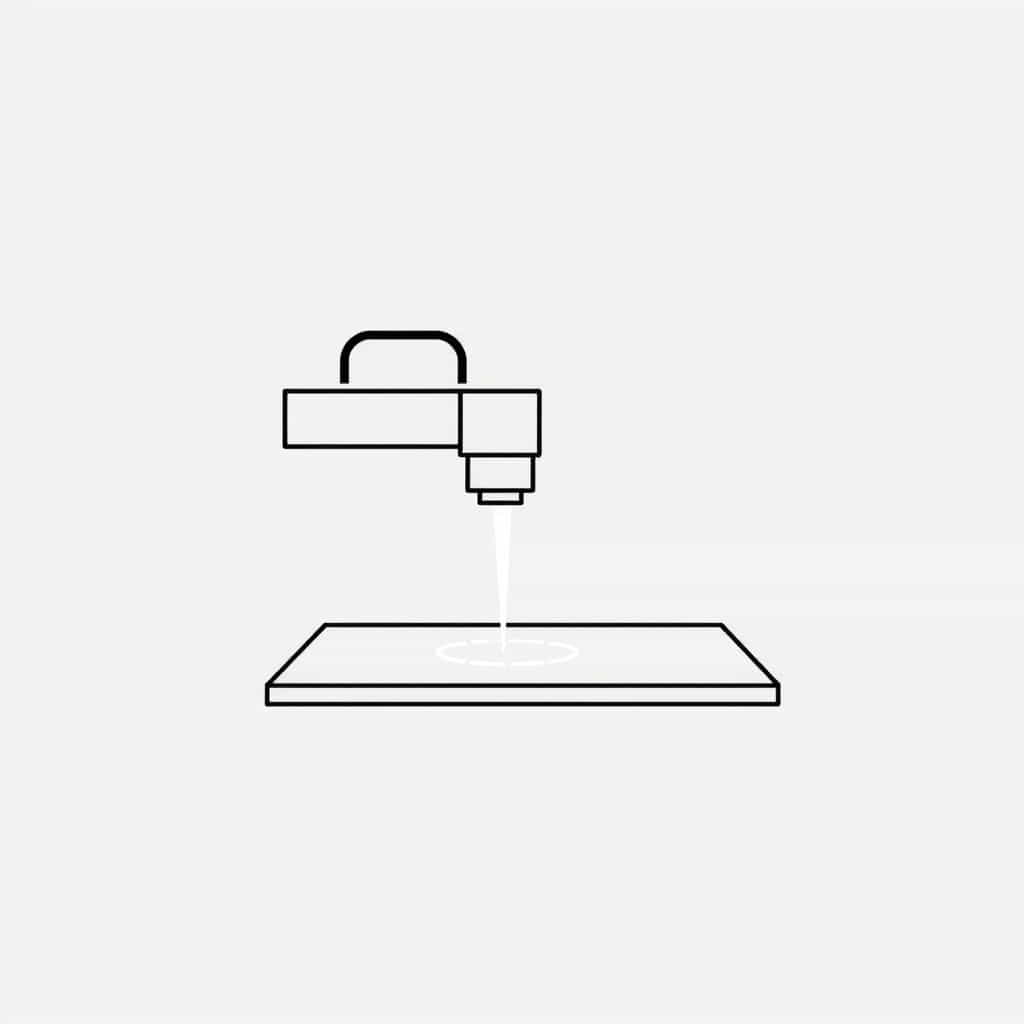
Once the laser is generated, the beam is focused onto the surface of the material. The size of the laser spot is extremely small, allowing it to carve extremely fine details with remarkable precision. This focused light heats the surface of the material, causing the material to burn, vaporize, or melt, depending on the laser’s settings and the properties of the material.
3. Laser Movement
The laser engraver is equipped with motors and precision controls that allow it to move the laser beam across the material. Typically, the material is placed on a flat bed, and the laser head moves over it in a grid pattern, creating the desired design. The engraver’s software controls the movement, ensuring that the engraving is precise and follows the programmed design.
How Laser Engraving Works Step-by-Step
Now that we’ve covered the basic principles of laser engraving, let’s break down the process into simpler steps
1. Design Creation
The first step in laser engraving is designing the image, text, or pattern that will be engraved onto the material. This design is usually created on a computer using specialized design software, such as Adobe Illustrator, CorelDRAW, or even CAD software.
Once the design is ready, it is converted into a format that the laser engraver can read, often a vector file like SVG or DXF. The design can be customized to fit the dimensions of the material.
2. Material Setup
The material to be engraved is carefully placed on the engraving bed. It’s important to ensure that the material is securely held in place to prevent any shifting during the engraving process. Depending on the type of laser engraver, the material may be held using clamps, magnets, or a vacuum bed.
Different materials require different settings, including the type of laser, power levels, speed, and focus. For example, engraving wood may require a lower power setting compared to engraving metal, which would need a higher power fiber laser.
3. Laser Engraving Process
Once the material is set up, the laser engraver begins the engraving process. The laser beam is directed over the material according to the design, burning away the material layer by layer. The precision of the laser allows it to carve extremely fine details.
During the engraving, the laser head may move back and forth, scanning across the surface in lines or patterns depending on the design. As the laser removes material, it may also produce smoke or vapor, especially when engraving organic materials like wood. Some systems are equipped with air assist to blow away this vapor and prevent smoke from interfering with the engraving process.
4. Post-Engraving Finishing
After the engraving is complete, the material may require some post-processing, depending on the type of engraving. For example, a light cleaning may be necessary to remove any residual debris, smoke, or dust. The engraved item may also undergo a protective coating or polishing process to enhance its appearance and durability.
Types of Materials That Can Be Engraved
Laser engraving is versatile and can be used on a wide range of materials. Below are some of the most common materials that can be engraved using a laser engraver
1. Wood
Laser engravers can create beautiful, intricate designs on wood. This includes everything from personalizing gifts to creating detailed signage. Wood engravings can have a deep, rich contrast depending on the laser’s settings.
2. Metal
Metals such as stainless steel, aluminum, and brass can be engraved with high-powered fiber lasers. Laser engraving on metal is commonly used for industrial applications like part identification, serial numbers, and creating custom designs on jewelry.
3. Acrylic
Acrylic is another popular material for laser engraving. It is commonly used for creating awards, trophies, and signage. The clear or frosted effect can be especially striking when illuminated.
4. Glass
Laser engraving on glass can produce precise, detailed designs that are often used in decoration or personalization of glassware. The process is typically done with CO2 lasers, which can etch the surface of the glass without damaging it.
5. Leather
Leather is another material that works well with laser engraving. This process is used to create intricate designs on leather goods, such as wallets, belts, and shoes.
6. Fabric
Laser engravers can also be used to cut or engrave fabric. This can be useful for personalizing clothing or creating custom patterns for textiles.
Applications of Laser Engraving
Laser engraving has a wide range of applications across various industries. Here are some common uses
1. Personalized Gifts
Laser engravers are frequently used to create personalized gifts, such as custom jewelry, glassware, and wooden plaques. The ability to engrave intricate designs makes it a popular choice for gift personalization.
2. Industrial Marking
Laser engravers are used in manufacturing for marking serial numbers, barcodes, and logos on parts and products. The precision of the laser ensures that these markings are permanent and highly legible.
3. Signage
Laser engraving is commonly used to create signage, both functional and decorative. Wood, acrylic, and metal signs are all ideal candidates for laser engraving due to the detailed and professional look it provides.
4. Art and Design
Many artists use laser engravers to create intricate designs and artwork on a variety of materials. Whether it’s a custom design on wood or metal, the precision and creativity allowed by laser engravers are endless.
Conclusion
Laser engraving is a versatile and powerful tool used for creating precise, detailed designs on a variety of materials. Its precision and ability to work with a wide range of materials have made it an invaluable tool in industries from manufacturing to art. Whether you’re engraving metal for industrial purposes or personalizing a gift, understanding how a laser engraver works can help you take full advantage of this advanced technology. With continuous advancements in laser technology, the possibilities for laser engraving are endless.