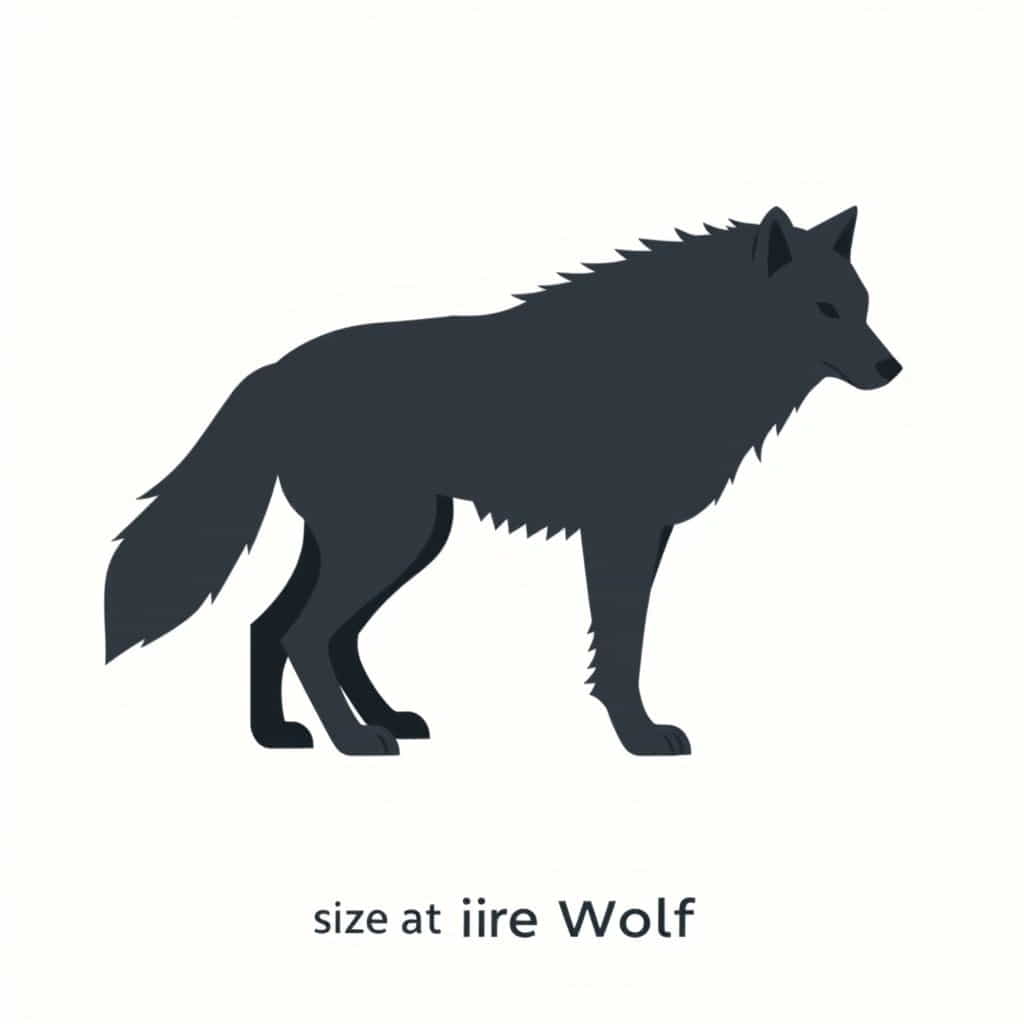
How Big Is a Dire Wolf? Size, Strength, and Surprising FactsThe dire wolf is one of the most fascinating prehistoric predators that ever roamed North America. While often romanticized in fiction and pop culture, especially in TV shows like Game of Thrones, the real dire wolf (Canis dirus) was a powerful and impressive animal in its own right. But just how big was a dire wolf? This topic explores its size, strength, and what made it so formidable.
What Is a Dire Wolf?
The dire wolf was a large, extinct member of the canid family that lived during the Late Pleistocene epoch, approximately 125,000 to 9,500 years ago. It shared its territory with early humans, saber-toothed cats, and mammoths. Unlike modern wolves, dire wolves were more robust and built for strength rather than speed.
Dire Wolf Size Height, Weight, and Length
When discussing how big a dire wolf was, several factors come into play, including its height at the shoulder, body length, and weight.
-
Shoulder Height Dire wolves stood about 28 to 34 inches tall at the shoulder, similar in height to modern gray wolves.
-
Body Length Including the tail, they could reach lengths of 5.5 to 6 feet.
-
Weight Most estimates place the average weight of a dire wolf between 130 and 150 pounds, though some particularly large individuals may have weighed up to 175 pounds.
This made the dire wolf larger and heavier than the modern gray wolf, which typically weighs between 80 and 100 pounds.
Build and Appearance
Despite similar dimensions to gray wolves, dire wolves had a noticeably different build. They were stockier, with a broader skull and shorter legs. Their bone structure suggests they had a more powerful bite and stronger jaws.
Key features include
-
Thick neck and powerful shoulders
-
Large head with massive jaw muscles
-
Shorter, sturdier limbs built for grappling prey
-
Likely a dense fur coat suitable for cold climates
Comparing Dire Wolves and Gray Wolves
While they looked alike at first glance, dire wolves and gray wolves had many differences beyond size.
| Feature | Dire Wolf | Gray Wolf |
|---|---|---|
| Average Weight | 130-150 lbs | 80-100 lbs |
| Build | Stocky, muscular | Lean, agile |
| Bite Force | Stronger jaw for crushing | Weaker, more slender jaw |
| Habitat | Warmer climates | Colder, northern regions |
| Diet | Larger, slower prey | Broad diet, including fast animals |
Dire wolves were better suited for ambush and overpowering prey, whereas gray wolves excel at long chases and coordinated hunting.
Hunting Style and Prey
Due to their size and strength, dire wolves were likely pack hunters. They may have targeted large, slow-moving herbivores such as
-
Bison
-
Horses
-
Ground sloths
-
Young or injured mammoths
Their heavy build and strong jaws made them well-suited for taking down tough prey. They were likely not fast runners over long distances, so teamwork and ambush tactics were essential.
Fossil Evidence and Discoveries
Thousands of dire wolf fossils have been discovered, especially at the La Brea Tar Pits in Los Angeles. These fossils have given scientists a detailed understanding of their size and lifestyle.
From these remains, paleontologists have learned
-
Dire wolves had stronger bones than modern wolves
-
They suffered frequent injuries, likely from battling large prey
-
Their teeth showed signs of wear, suggesting they consumed bones
Such physical evidence supports the idea that dire wolves were among the dominant predators of their time.
Why Did the Dire Wolf Go Extinct?
Despite their strength and size, dire wolves could not survive the environmental changes that marked the end of the Ice Age. Several factors likely contributed to their extinction
-
Loss of large prey animals
-
Increased competition with faster, more adaptable species like the gray wolf
-
Climate change reducing available habitat
-
Possibly diseases introduced by humans or other animals
The dire wolf’s specialization for large prey and its slower build may have made it less adaptable to rapidly changing conditions.
Are Dire Wolves Related to Modern Wolves?
Interestingly, while dire wolves and gray wolves look similar, genetic studies show that they were not as closely related as once thought. In fact, dire wolves are now believed to belong to a separate lineage of canids that diverged from modern wolves around 5 to 6 million years ago.
This means that dire wolves were not direct ancestors of modern wolves, but rather distant cousins that evolved similar traits through parallel evolution.
Pop Culture vs. Reality
In popular culture, especially fantasy media, dire wolves are often portrayed as massive, bear-sized beasts. While real dire wolves were large, they were not mythical giants. Their impressive size was realistic, but not supernatural.
However, the fascination with dire wolves is rooted in truth their power, presence, and role as apex predators make them one of the most captivating extinct animals in history.
So, how big is a dire wolf? In short, they were larger, heavier, and more powerfully built than today’s gray wolves. Standing over 30 inches tall at the shoulder and weighing as much as 150 pounds, the dire wolf was a fearsome predator that ruled its environment for thousands of years.
Their size, strength, and social behavior allowed them to thrive during the Ice Age, but in the face of rapid environmental change, their specialized traits became their downfall. Today, they live on through fossils, scientific research, and our imaginations a true icon of prehistoric life.