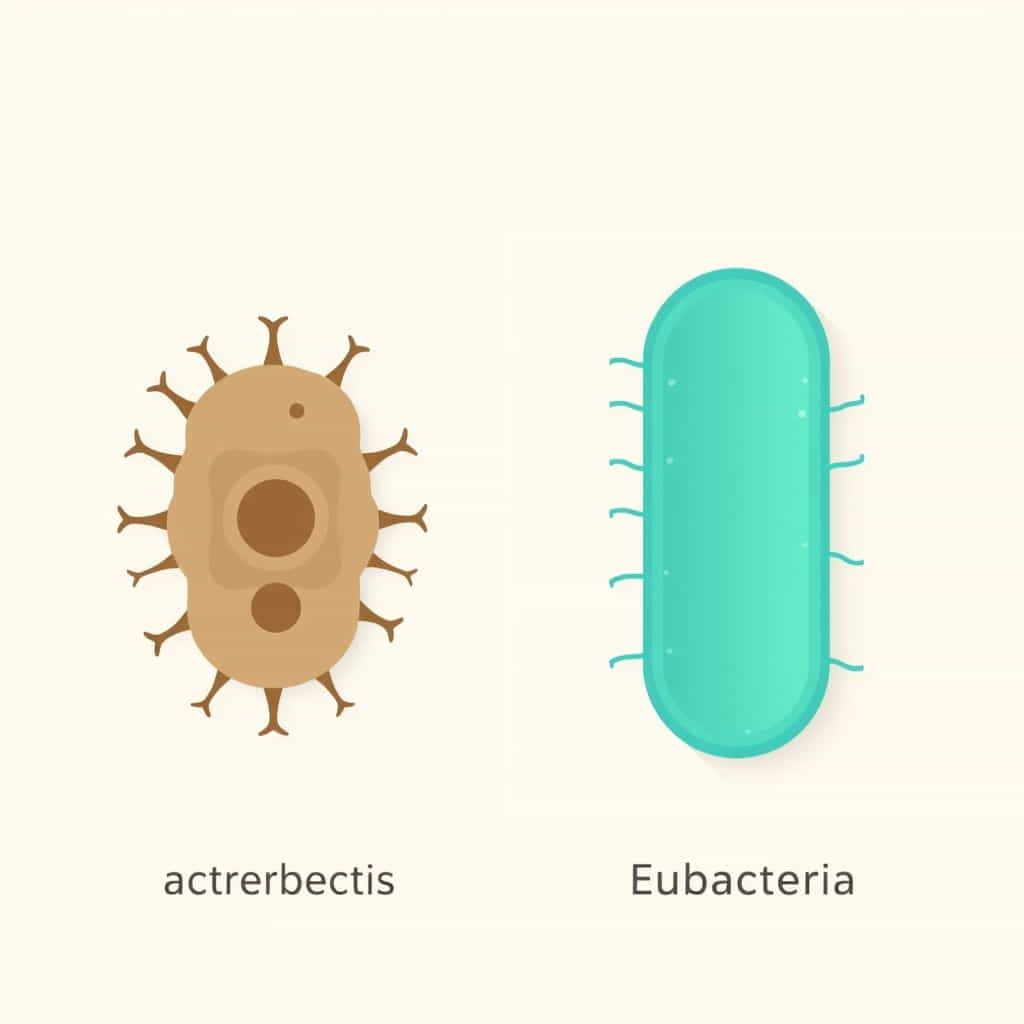
How Archaebacteria Differ from Eubacteria A Comparative OverviewUnderstanding the Basics of Archaebacteria and EubacteriaBacteria are among the most abundant organisms on Earth, playing vital roles in ecosystems, medicine, and various industrial processes. Bacteria can be broadly categorized into two groups Archaebacteria and Eubacteria. Though both are prokaryotes, meaning they lack a nucleus, they differ significantly in their structure, habitat, and genetic makeup. These differences have led to their classification in separate domains of life Archaea and Bacteria.
In this topic, we will explore how archaebacteria differ from eubacteria, focusing on their biological characteristics, habitats, evolutionary history, and practical significance. Understanding these differences can provide valuable insights into the diversity of life on Earth and the ecological functions that bacteria serve.
What Are Archaebacteria?
Archaebacteria, also known as archaea, are a group of microorganisms that are distinct from eubacteria. While they share the characteristic of being single-celled organisms without a nucleus, they have several features that set them apart. Archaebacteria are found in extreme environments, such as hot springs, deep-sea vents, and salt lakes. These organisms are often referred to as extremophiles because of their ability to thrive in conditions that would be hostile to most other life forms.
Archaebacteria are classified into several groups based on their habitat and the type of extremophilic conditions they can survive. For instance, thermophiles thrive in high-temperature environments, while halophiles live in highly salty conditions.
What Are Eubacteria?
Eubacteria, or simply bacteria, are a much more diverse group of organisms that can be found in almost every environment on Earth. From the soil to the oceans, eubacteria are abundant and play essential roles in processes such as nitrogen fixation, decomposition, and digestion in humans and other animals.
Eubacteria have a simple cell structure, but they vary greatly in terms of shape, size, and metabolic processes. Some eubacteria are beneficial, such as those involved in fermentation and the production of antibiotics, while others are harmful pathogens that cause diseases.
Key Differences Between Archaebacteria and Eubacteria
While archaebacteria and eubacteria share certain similarities, such as their prokaryotic cell structure, they are distinguished by several key differences. Let’s take a closer look at the most important distinctions
1. Cell Membrane Composition
One of the most significant differences between archaebacteria and eubacteria is their cell membrane structure. The lipids that make up the cell membranes of these two groups are different.
-
Archaebacteria The cell membranes of archaebacteria contain unique lipids that include ether linkages between glycerol and fatty acids. This structure makes their membranes more stable and allows archaebacteria to survive in extreme conditions, such as high temperatures and acidity.
-
Eubacteria In contrast, eubacteria have cell membranes that contain ester linkages, which are more common in the cells of most organisms, including plants and animals. These membranes are more susceptible to damage under extreme conditions compared to those of archaebacteria.
2. Genetic Differences
Archaebacteria and eubacteria also differ in the structure of their genetic material. Although both groups lack a nucleus, their DNA and the proteins that help organize it are quite distinct.
-
Archaebacteria The DNA of archaebacteria is more similar to that of eukaryotes (organisms with a nucleus), particularly in the way their genetic information is packaged and replicated. Archaebacteria also have histone proteins that help organize their DNA, which is a characteristic found in eukaryotic cells but not in eubacterial cells.
-
Eubacteria Eubacteria have a simpler arrangement of genetic material, often existing as a single circular chromosome. They lack histones and other complex proteins that are found in archaebacteria and eukaryotes. Additionally, eubacteria typically reproduce asexually through binary fission, a process where the cell splits into two identical daughter cells.
3. Ribosomal RNA (rRNA) Differences
Ribosomal RNA (rRNA) is crucial for protein synthesis in all living organisms. The sequences of rRNA differ significantly between archaebacteria and eubacteria, reflecting their separate evolutionary lineages.
-
Archaebacteria The rRNA of archaebacteria is more similar to that of eukaryotes than to eubacteria. This suggests that archaebacteria and eukaryotes share a more recent common ancestor, which is supported by other genetic and biochemical evidence.
-
Eubacteria Eubacterial rRNA sequences are distinct from those of archaebacteria and eukaryotes. These differences in rRNA sequences are one of the main reasons why archaebacteria and eubacteria are classified into separate domains.
4. Metabolism and Energy Sources
Archaebacteria and eubacteria also differ in the way they obtain energy. While both groups are capable of using various metabolic pathways, the specific processes they use can vary.
-
Archaebacteria Many archaebacteria are extremophiles, meaning they live in environments that are inhospitable to most life forms. Some archaebacteria use unique metabolic pathways, such as methanogenesis, which is the production of methane gas from organic compounds. This is an important process in environments like swamps and landfills, where methane is produced as a byproduct of microbial activity.
-
Eubacteria Eubacteria have a much broader range of metabolic processes. Some eubacteria are photosynthetic, like cyanobacteria, and produce oxygen as a byproduct. Others are involved in nitrogen fixation, decomposing organic matter, and contributing to the nutrient cycles in ecosystems. Eubacteria can also use a variety of organic and inorganic compounds as energy sources, including sugars, fats, and even metals.
5. Habitat and Environmental Conditions
Archaebacteria and eubacteria are adapted to different types of environments. While eubacteria are found in virtually every ecosystem on Earth, archaebacteria tend to live in extreme environments.
-
Archaebacteria These organisms are typically found in harsh, extreme conditions such as hot springs, deep-sea hydrothermal vents, and highly acidic or salty environments. Their unique cell membrane structure and metabolic pathways enable them to thrive in places where most other organisms cannot survive.
-
Eubacteria Eubacteria are incredibly diverse and can be found in a wide range of environments, including soil, water, and even the human body. Some eubacteria are pathogens, causing diseases such as tuberculosis or pneumonia, while others are beneficial and help with processes like digestion or fermentation.
Conclusion The Distinct Worlds of Archaebacteria and Eubacteria
while archaebacteria and eubacteria are both prokaryotes and share some basic features, they differ significantly in their cell structure, genetic makeup, metabolism, and environmental preferences. These differences highlight the incredible diversity of life on Earth and underscore the importance of classifying organisms into appropriate categories for better understanding.
Archaebacteria, with their unique characteristics, are adapted to extreme environments, while eubacteria are more widespread and occupy a vast range of habitats. Despite their differences, both groups play essential roles in ecological systems, and their study continues to provide valuable insights into the origins of life and the complexity of microbial life forms.