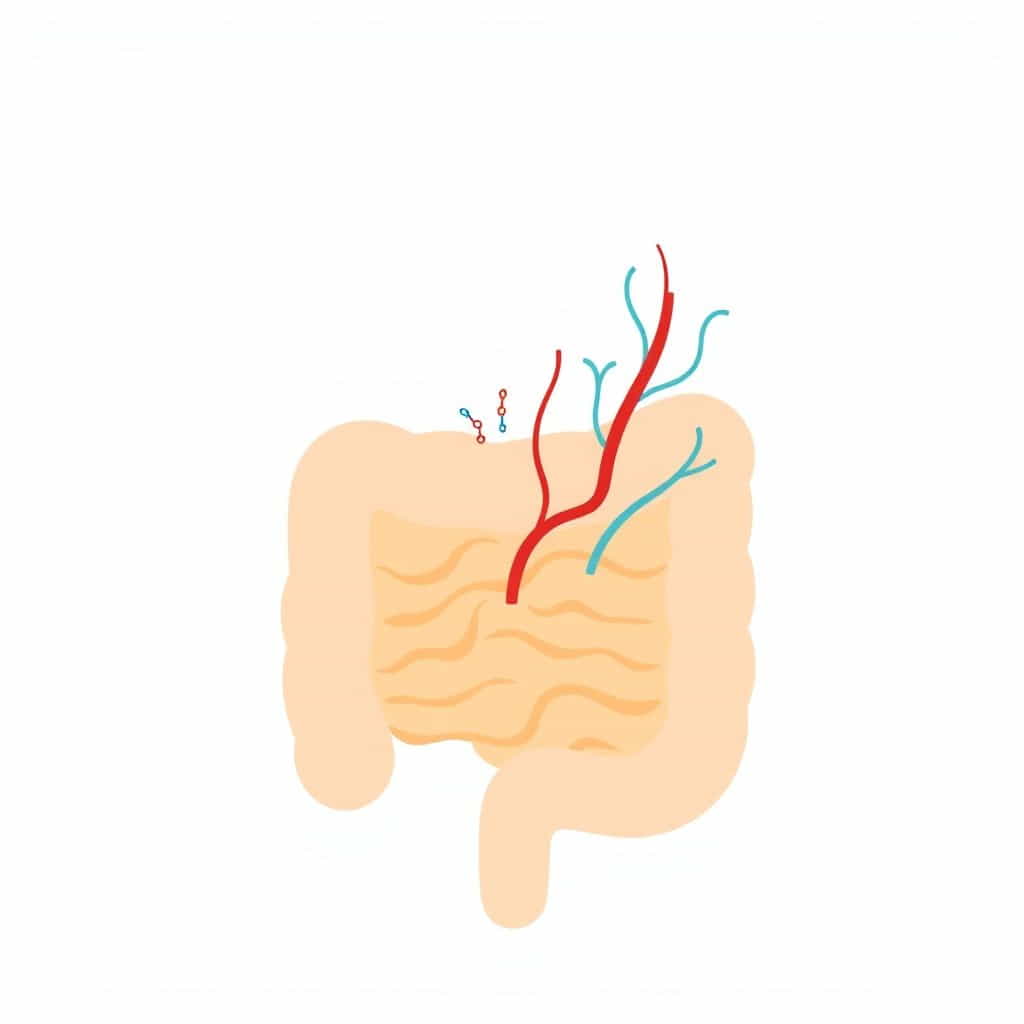
How Absorption of Digested Food Takes Place in the Human BodyDigestion is only half of the story when it comes to nourishing the human body. After food is broken down into smaller, absorbable components, the next critical step is absorption. This process ensures that nutrients from digested food enter the bloodstream and reach every cell that needs them. Understanding how absorption works helps explain how our bodies get energy, build tissues, and maintain vital functions.
What Is Absorption?
Absorption is the biological process where the end products of digestion such as amino acids, simple sugars, fatty acids, and vitamins are taken into the bloodstream or lymph from the digestive tract. This occurs mostly in the small intestine, although some absorption also takes place in other parts of the digestive system.
Key Organs Involved in Food Absorption
1. Small Intestine The Main Absorption Site
The small intestine is where the majority of absorption happens. It is long and coiled, with three main parts
-
Duodenum
-
Jejunum
-
Ileum
Each part plays a unique role in absorbing different nutrients.
2. Villi and Microvilli Increasing the Surface Area
The inner lining of the small intestine has millions of tiny finger-like projections called villi, and each villus is covered in even smaller structures called microvilli. This design increases the surface area for absorption and allows maximum nutrient uptake.
Types of Nutrients and How They Are Absorbed
Carbohydrates
After digestion, carbohydrates are broken down into glucose and other simple sugars. These sugars are absorbed in the small intestine, mainly in the jejunum, through specialized transport proteins in the intestinal lining. Once absorbed, they enter the blood capillaries and are carried to the liver via the hepatic portal vein.
Proteins
Proteins are digested into amino acids and small peptides. These are absorbed through active transport mechanisms in the walls of the small intestine. Amino acids also travel through the bloodstream to the liver before being distributed throughout the body.
Fats (Lipids)
Fats are more complex to absorb. They are broken down into fatty acids and monoglycerides, which are then packaged into micelles. These micelles are absorbed by the intestinal cells and converted into chylomicrons, which enter the lymphatic system instead of the bloodstream initially. Eventually, they reach the blood circulation through the thoracic duct.
Vitamins and Minerals
-
Fat-soluble vitamins (A, D, E, and K) are absorbed with dietary fats.
-
Water-soluble vitamins (like B and C) are absorbed directly into the blood.
-
Minerals such as calcium, iron, and sodium have specific transport mechanisms depending on the body’s needs and availability.
Water and Electrolyte Absorption
The absorption of water and electrolytes happens throughout the small and large intestines. The body regulates water absorption carefully to maintain hydration and electrolyte balance. Sodium, potassium, and chloride ions are essential for nerve function, muscle contraction, and maintaining blood pressure.
Factors That Affect Absorption
Several factors can influence how efficiently the body absorbs nutrients
1. Surface Area
Damage to the small intestine, such as in celiac disease, can reduce the surface area and limit absorption.
2. Digestive Enzymes
A lack of enzymes (for example, in lactose intolerance) can prevent proper breakdown and absorption of nutrients.
3. Gut Health
A healthy balance of gut bacteria supports digestion and nutrient absorption. Disruptions, such as antibiotic use or gut infections, can impair this process.
4. Transit Time
If food moves too quickly through the intestines, as in diarrhea, there may not be enough time for full absorption.
Role of the Large Intestine in Absorption
Although the large intestine is not the main site for nutrient absorption, it does absorb water, salts, and certain vitamins produced by gut bacteria, like vitamin K and some B vitamins. This helps compact waste into solid feces and maintain fluid balance.
Transport After Absorption
Once nutrients are absorbed
-
Carbohydrates and proteins go to the liver for processing via the hepatic portal vein.
-
Fats travel through the lymphatic system before entering the bloodstream.
-
Vitamins and minerals are either stored or circulated based on the body’s current needs.
The liver acts as a control center, deciding whether to store, transform, or distribute the absorbed nutrients.
Common Disorders Related to Absorption
When the body can’t absorb nutrients properly, it may lead to malabsorption syndromes, such as
-
Celiac disease – damage to the intestinal lining from gluten
-
Crohn’s disease – chronic inflammation of the digestive tract
-
Lactose intolerance – inability to digest lactose
-
Short bowel syndrome – reduced surface area due to surgery
Symptoms of poor absorption include weight loss, fatigue, bloating, and nutrient deficiencies.
How to Support Healthy Absorption
Maintaining a healthy digestive system is essential for efficient nutrient absorption. Some practical steps include
-
Eating a balanced diet rich in fiber, healthy fats, and lean protein
-
Staying hydrated to help with nutrient transport
-
Avoiding excessive use of antibiotics unless necessary
-
Managing stress, which can disrupt gut function
-
Including fermented foods or probiotics to support gut flora
Conclusion A Critical Step in Nutrition
The absorption of digested food is a crucial part of the digestive process. It ensures that the nutrients we consume are available for energy, growth, repair, and overall function. Most of this process occurs in the small intestine, with assistance from specialized structures like villi and microvilli.
By understanding how nutrient absorption works and what can affect it, we can make better choices to support digestive health and overall well-being. The food we eat only becomes truly valuable to the body once it is absorbed and used effectively.