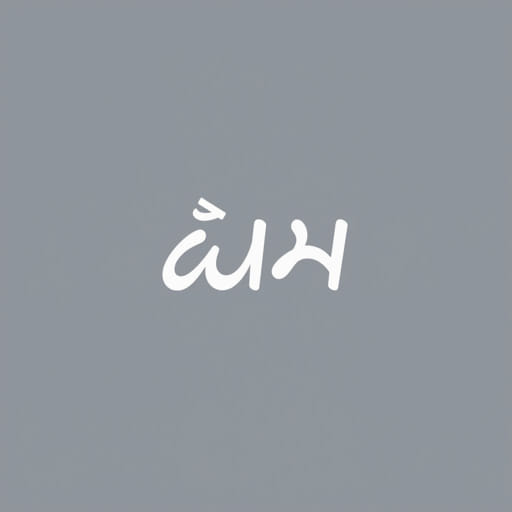
The Gurmukhi script holds a central place in the linguistic and cultural identity of Punjabi speakers. It is not only the primary writing system used for the Punjabi language in India, but also a key element of Sikh religious texts and historical literature. Originating from the Brahmic script family, Gurmukhi has evolved through centuries, adapting to the phonetic nuances of Punjabi while preserving its own distinct orthographic structure. Understanding Gurmukhi orthography is essential for grasping the rules of Punjabi grammar, pronunciation, and written communication, making it a subject of interest for linguists, educators, and students of South Asian languages.
Origin and Historical Development
The Gurmukhi script was standardized in the 16th century by Guru Angad Dev Ji, the second Sikh Guru. Its purpose was to provide a clear and accessible writing system for recording Sikh teachings, especially the Guru Granth Sahib. The script’s name, ‘Gurmukhi,’ means ‘from the mouth of the Guru,’ emphasizing its sacred and authoritative role in Sikh tradition. Over time, the script became widely adopted by Punjabi-speaking communities for both religious and secular writings.
Link to Brahmi and Landa Scripts
Historically, Gurmukhi evolved from the ancient Brahmi script, with intermediary influences from the Sharada and Landa scripts. While Brahmi is the progenitor of most South Asian scripts, Landa contributed significantly to the merchant communities in Punjab. Gurmukhi was adapted and refined from these roots, structured specifically for the phonology of Punjabi.
Structure of Gurmukhi Script
Gurmukhi consists of 35 basic letters known as akhar. These letters represent the consonants, while vowel sounds are indicated using diacritic marks. The script is written from left to right, like most Indo-Aryan languages, and does not include any capital or lowercase distinctions. The simplicity and consistency of the script make it relatively easy to learn, especially for native speakers.
Consonants
The 35 primary consonants in Gurmukhi are:
- ਠ(ka)
- ਠ(kha)
- ਠ(ga)
- ਠ(gha)
- ਠ(Ṡa)
- ਠ(ca)
- ਠ(cha)
- ਠ(ja)
- ਠ(jha)
- ਠ(ña)
- ਠ(á¹a)
- ਠ(á¹ha)
- ਡ (á¸a)
- ਢ (á¸ha)
- ਣ (á¹a)
- ਤ (ta)
- ਥ (tha)
- ਦ (da)
- ਧ (dha)
- ਨ (na)
- ਪ (pa)
- ਫ (pha)
- ਬ (ba)
- ਠ(bha)
- ਮ (ma)
- ਠ(ya)
- ਰ (ra)
- ਲ (la)
- ਵ (va)
- ਸ਼ (Åa)
- ਸ (sa)
- ਹ (ha)
- ਲ਼ (ḷa)
- ਠ(additional ña)
Vowels and Diacritics
Gurmukhi uses a system of vowel signs (matras) that are added above, below, before, or after a consonant. Vowels can also be written independently when they occur at the beginning of a word. There are ten vowel sounds in Gurmukhi:
- ਠ(a)
- ਠ(aa)
- ਠ(i)
- ਠ(ii)
- ਠ(u)
- ਠ(uu)
- ਠ(e)
- ਠ(ai)
- ਠ(o)
- ਠ(au)
Each vowel has its corresponding diacritic that modifies the consonant it is attached to. For example, the letter ਠ(ka) combined with the vowel matra ਾ becomes à¨à¨¾ (kaa).
Special Symbols and Features
Gurmukhi orthography includes several additional markers that play specific phonological and grammatical roles.
Bindis and Tippi
- Bindi (à¨): Indicates nasalization, often placed above vowels.
- Tippi (à©°): Used to nasalize vowels, usually appearing over specific consonants in Punjabi.
Addak (ੱ)
Addak is a symbol used to indicate the doubling of the following consonant. For example, in the word ਠੱà¨à¨¾ (acchaa), the sound of ch’ is emphasized.
Udaat (à©)
This diacritic signifies a higher tone in spoken Punjabi. It is not frequently used in modern writing but has historical and poetic significance.
Nukta (਼)
The nukta is used to create additional sounds not originally present in Gurmukhi. For example, ੠(za) is derived by adding nukta to ਠ(ja).
Gurmukhi in Modern Punjabi Usage
Today, Gurmukhi orthography is used extensively in Punjab, India. It is the script of instruction in schools, official documents, newspapers, and digital communication. With the increasing digitization of literature and education, Gurmukhi keyboards and Unicode support have made typing and publishing in Punjabi more accessible.
Phonetic Clarity
One of the strengths of Gurmukhi orthography lies in its close correspondence between sounds and symbols. This phonetic precision helps readers pronounce words as they are written, which is particularly beneficial for learners.
Gurmukhi in Religious Context
In Sikhism, the Gurmukhi script is used to write the Guru Granth Sahib, the central religious scripture. This elevates the status of the script beyond linguistic function, embedding it deeply into religious identity and ritual. Devotees are often encouraged to learn Gurmukhi to read scripture in its original form.
Challenges in Gurmukhi Orthography
While Gurmukhi is considered consistent and logical, some challenges exist in its widespread use and learning.
Dialects and Variations
Punjabi is spoken in many dialects, and pronunciation can vary between regions. These variations sometimes challenge standard Gurmukhi spellings, especially in informal writing or media.
Script vs. Romanization
In diaspora communities, especially in the West, Punjabi is often written in Roman script due to lack of familiarity with Gurmukhi. This shift poses a risk of losing the orthographic tradition among younger generations.
Efforts in Preservation and Education
There are numerous initiatives aimed at promoting Gurmukhi literacy. Educational institutions, cultural organizations, and online platforms offer resources to teach Gurmukhi reading and writing. Mobile apps and digital tools have also contributed to renewed interest in the script among youth.
Integration into Technology
Support for Gurmukhi in Unicode has allowed the script to flourish on the internet. Social media platforms, search engines, and messaging apps now include Gurmukhi fonts and typing options, making it easier for users to communicate and create content in Punjabi.
Gurmukhi orthography is a powerful symbol of cultural, linguistic, and religious identity for Punjabi speakers. Its logical structure, phonetic clarity, and historical significance make it a unique and enduring script. As technology and education continue to evolve, preserving and promoting Gurmukhi will ensure that the rich heritage of Punjabi language and literature remains vibrant for future generations.