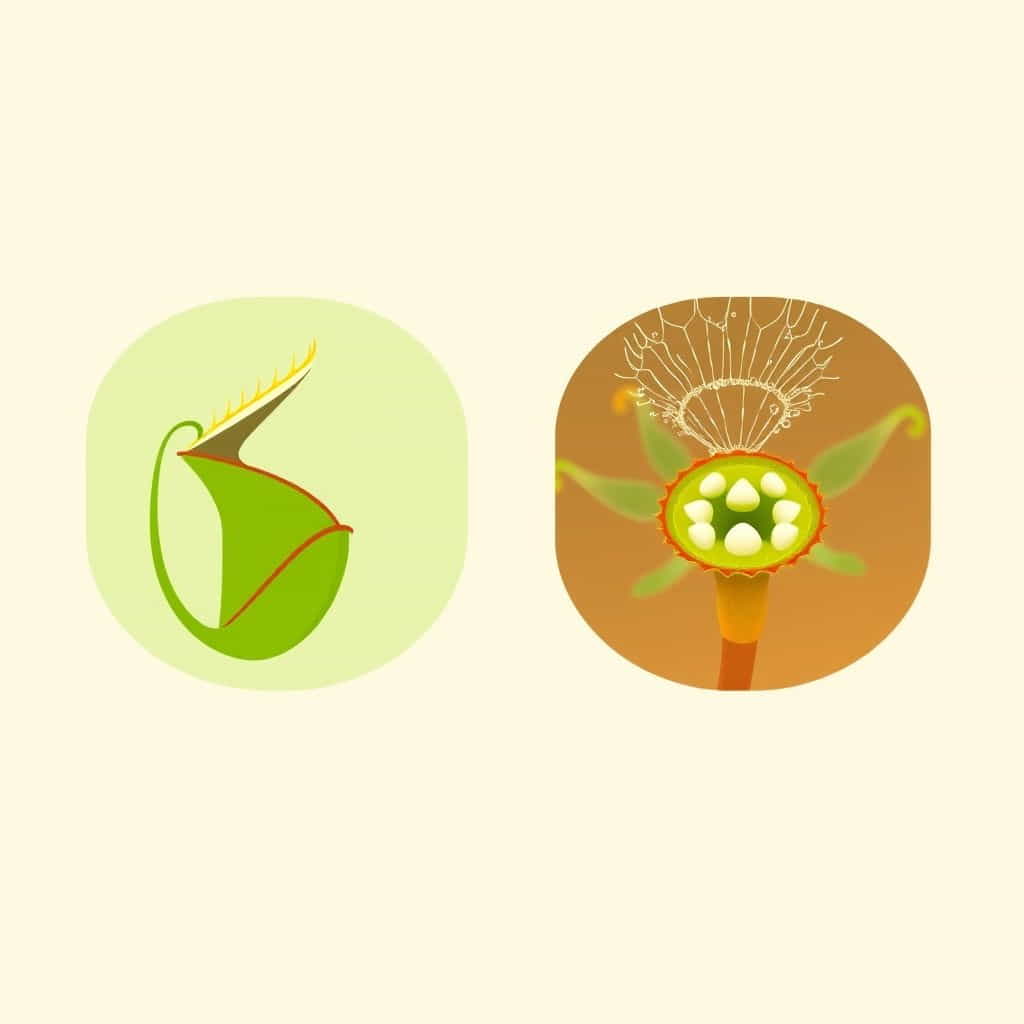
Two Fascinating Examples of Insectivorous Plants and How They Capture PreyIn the world of plants, there are some remarkable species that have evolved to supplement their nutrient intake by feeding on insects. These are known as insectivorous plants. Unlike ordinary plants that rely solely on photosynthesis and soil nutrients, insectivorous plants thrive in environments where the soil is poor in essential minerals like nitrogen. To adapt, they trap and digest insects to fulfill their nutritional needs.
This topic introduces two well-known examples of insectivorous plants, explains their unique mechanisms of capturing prey, and explores their ecological importance.
What Are Insectivorous Plants?
Insectivorous plants, also called carnivorous plants, are species that have developed special adaptations to trap, kill, and digest insects or other small organisms. These plants are typically found in nutrient-deficient habitats such as bogs, swamps, or sandy soils.
Although they still perform photosynthesis like other green plants, they gain extra nutrients especially nitrogen and phosphorus from their prey. This gives them a competitive advantage in harsh conditions.
Why Do Some Plants Eat Insects?
The primary reason certain plants evolved to become insectivorous is the lack of nutrients in their natural habitats. In places where the soil is too acidic or waterlogged to support regular root absorption, plants had to find another way to survive.
By capturing and digesting insects, these plants obtain
-
Nitrogen, vital for growth and photosynthesis
-
Phosphorus, important for energy transfer and development
-
Other micronutrients, such as magnesium and potassium
Example 1 Venus Flytrap (Dionaea muscipula)
Description
The Venus Flytrap is perhaps the most iconic insectivorous plant. Native to the subtropical wetlands of the United States, particularly North and South Carolina, it is famous for its jaw-like leaves that snap shut when triggered.
Structure and Trap Mechanism
The plant has flat, green leaves with hinged lobes that act as the trap. Each lobe has small trigger hairs. When an insect touches these hairs twice within 20 seconds, the trap snaps shut in a fraction of a second.
This movement is a result of rapid changes in cell pressure within the leaf. Once the trap is closed, the plant secretes digestive enzymes to break down the insect and absorb its nutrients over the course of 5-12 days.
Prey and Diet
Venus Flytraps feed primarily on
-
Flies
-
Ants
-
Beetles
-
Grasshoppers
They rarely consume larger prey, as it could prevent the trap from closing fully or cause decay.
Significance
This plant demonstrates one of the most advanced adaptations in the plant kingdom. Its rapid movement and selective triggering mechanism prevent energy loss from false alarms like raindrops or debris.
Example 2 Pitcher Plant (Nepenthes species)
Description
Pitcher plants are another remarkable group of insectivorous plants. Found in tropical regions of Southeast Asia, such as Borneo and the Philippines, they are known for their tubular, pitcher-shaped leaves that act as pitfall traps.
There are several genera of pitcher plants, but Nepenthes is one of the most widely studied due to its size, variety, and ecological role.
Structure and Trap Mechanism
The modified leaves of pitcher plants form deep cavities filled with digestive fluid. These pitchers have slippery inner walls and often a lid-like structure on top. The rim of the pitcher, called the peristome, is usually colorful and secretes nectar to lure insects.
Once an insect lands on the edge or inner wall, it often slips and falls into the fluid. Unable to escape due to the waxy surface and downward-pointing hairs, the prey eventually drowns and is digested by enzymes.
Prey and Diet
Pitcher plants typically consume
-
Ants
-
Flies
-
Moths
-
Spiders
-
Occasionally small frogs or rodents (in larger species)
Special Adaptations
Some species of Nepenthes have developed mutual relationships with animals. For example, Nepenthes lowii offers nectar to tree shrews, which in turn defecate into the pitcher, providing the plant with nitrogen-rich waste.
Ecological Role
Pitcher plants contribute to local ecosystems by
-
Controlling insect populations
-
Providing shelter for specific insect species that live inside the pitcher
-
Supporting complex food webs in nutrient-poor environments
Differences Between the Venus Flytrap and Pitcher Plant
| Feature | Venus Flytrap | Pitcher Plant |
|---|---|---|
| Type of Trap | Snap trap | Pitfall trap |
| Movement | Active (closes rapidly) | Passive (no movement) |
| Digestion Method | Enzymatic digestion | Enzymatic and microbial digestion |
| Habitat | Subtropical wetlands | Tropical rainforests and swamps |
| Size of Prey | Mostly small insects | Insects and sometimes small animals |
Adaptations That Make Them Unique
Insectivorous plants have evolved several specialized features
-
Attractive colors and scents to lure prey
-
Sticky, slippery, or sensitive surfaces for trapping
-
Digestive enzymes to absorb nutrients
-
Minimal reliance on soil nutrients
These adaptations showcase the extraordinary ways in which plants can survive under extreme conditions.
Importance of Insectivorous Plants
Though insectivorous plants might seem like biological curiosities, they play important roles in ecosystems
-
Nutrient cycling They extract nutrients from organisms and recycle them into the environment.
-
Biodiversity support Some animals rely on them for habitat or food.
-
Educational value They are used to teach students about plant adaptation, ecology, and evolution.
-
Conservation focus Many species are endangered due to habitat loss and illegal collection.
Conservation and Threats
Many insectivorous plants are under threat due to
-
Habitat destruction
-
Climate change
-
Illegal harvesting for trade
-
Pollution and invasive species
Efforts are being made globally to protect these fascinating plants through conservation programs, habitat restoration, and public awareness campaigns.
Venus Flytraps and Pitcher Plants are two prime examples of how nature evolves in astonishing ways to adapt to challenging environments. These insectivorous plants not only showcase the diversity of life but also serve vital ecological roles. Learning about them deepens our appreciation for the natural world and highlights the importance of preserving unique species and ecosystems.
Whether admired in the wild or grown in greenhouses, these plants continue to captivate scientists, students, and nature lovers alike.