Ghost of Tsushima is filled with breathtaking landscapes, hidden secrets, and poetic shrines that add depth to its immersive world. Among the many exploration points scattered throughout the island of Tsushima is a location known as Sibling Rocks. While it may appear to be just another scenic spot at first glance, Sibling Rocks carries meaning and mystery that makes it memorable for players seeking a deeper connection to the game’s world. Discovering Sibling Rocks offers not only visual beauty but also insight into the spiritual and emotional themes of Ghost of Tsushima. Knowing where to find it and how to interact with it can add an extra layer of appreciation for Jin Sakai’s journey.
What Are Sibling Rocks in Ghost of Tsushima?
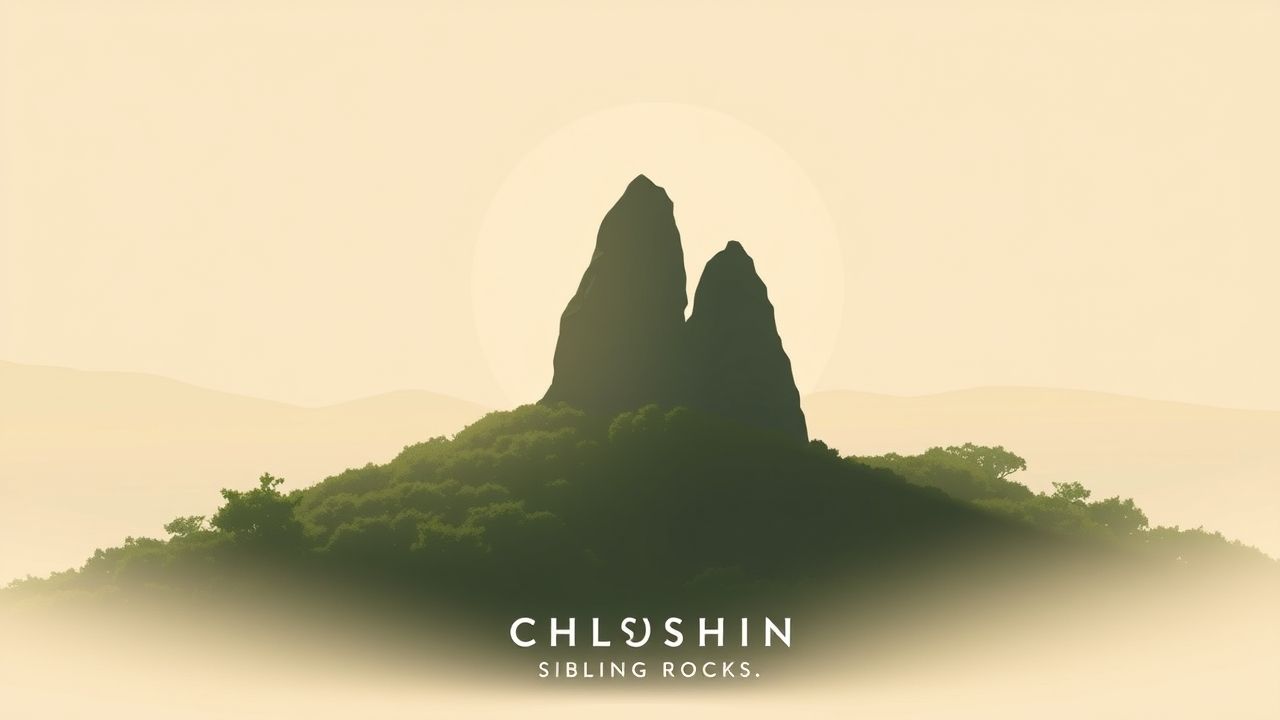
Sibling Rocks is a named location in Ghost of Tsushima, found in the open world during exploration. This location is not directly tied to the main story quests, but it can be visited by players seeking to explore every corner of the island and experience the game’s peaceful and poetic elements. The area consists of two rock formations standing apart yet visibly connected by their presence, symbolizing the idea of familial bonds even across distance.
While not classified as a major point of interest like a shrine or a haiku location, Sibling Rocks holds symbolic value. It is the kind of place that rewards players who slow down, pay attention to their surroundings, and take in the beauty and meaning hidden in the world.
The Symbolism of Sibling Rocks
Ghost of Tsushima is rich with themes of honor, sacrifice, and connection to heritage. Sibling Rocks subtly reinforces one of these underlying ideas: the unbreakable connection between siblings, even when separated by war, duty, or distance. The two stones resemble family members perhaps literal siblings standing alone yet emotionally tethered, representing the strength and endurance of familial bonds in the face of chaos.
For Jin Sakai, whose personal journey is filled with emotional separation and internal conflict, locations like Sibling Rocks can take on additional meaning. Players might interpret it as a quiet place for reflection, much like the game’s haiku spots, where Jin contemplates his values and the path he walks.
Where to Find Sibling Rocks
Sibling Rocks is located in the Izuhara region, which is the first and southernmost area players explore in Ghost of Tsushima. The rocks are situated northeast of Azamo Bay and can be accessed by traveling inland toward the coast. It is not marked on the map with a major icon, so players may come across it accidentally during exploration or while seeking out all the landmarks.
How to Recognize Sibling Rocks
The formation is easy to identify once you’re close. You’ll find two prominent stone pillars emerging from the landscape, standing tall beside each other. A short wooden sign near the base marks the spot and bears the name ‘Sibling Rocks.’ Although there is no interaction prompt or puzzle to solve here, the site itself serves as a visual and emotional landmark.
Nearby Points of Interest
- Azamo Bay: A major settlement where players can pick up side quests, upgrade equipment, and interact with villagers.
- Fox Dens: Scattered near the region, leading players to Inari Shrines that provide charm slots.
- Haiku Spots: Locations where Jin can compose reflective poems, often located near tranquil scenes similar to Sibling Rocks.
Exploring nearby areas adds to the sense of immersion, giving players more reasons to travel through the wilderness and experience Tsushima’s natural beauty.
The Role of Exploration in Ghost of Tsushima
Locations like Sibling Rocks highlight one of Ghost of Tsushima’s strongest features exploration. Unlike many open-world games that rely heavily on waypoints and constant markers, Ghost of Tsushima uses natural cues, wind direction, and visual landmarks to guide players. This approach makes stumbling upon something like Sibling Rocks feel rewarding and organic.
Immersion Through Discovery
The lack of HUD clutter allows players to fully appreciate Tsushima’s environment. Discovering Sibling Rocks without being led there by a quest marker reinforces the game’s design philosophy: let curiosity guide you. Players who engage deeply with the world are more likely to uncover hidden beauty, secret stories, and peaceful moments in contrast to the intensity of battle.
Photomode Opportunities
Sibling Rocks also serves as an excellent spot for using the game’s robust photo mode. With its scenic coastline and symbolic rock formations, players often pause here to take dramatic, serene, or emotional screenshots. Many players create personal stories around such locations, interpreting them through Jin’s perspective and using photo mode to capture their meaning.
Emotional Impact and Reflection
Though there is no combat or gameplay challenge at Sibling Rocks, its emotional weight can be just as powerful. Ghost of Tsushima often allows players to create their own narrative interpretations. Sibling Rocks could be a place where Jin reflects on his relationship with his family especially his cousin Lord Shimura, who serves as both a father figure and eventual adversary in the story.
Players may find themselves projecting meaning onto the rocks, imagining them as symbols of loyalty, division, or reunion. Just as haiku moments let Jin reflect in words, Sibling Rocks offers a wordless reflection through nature.
Why Sibling Rocks Matters
In a game known for its combat and cinematic action, small, peaceful locations like Sibling Rocks stand out. They ground the player in the world’s emotional tone and reinforce Ghost of Tsushima’s broader themes honor, family, and memory. Not every significant place needs to hold a reward or enemy encounter; sometimes, simply standing in a quiet space and watching the wind blow through the grass is enough.
Connection to the Game’s Aesthetic
Ghost of Tsushima draws heavily from classic samurai films and Japanese poetry, where silence and scenery carry emotional weight. Sibling Rocks fits perfectly into this design, offering a still-life moment that feels curated, intentional, and poetic.
Encouraging Personal Interpretation
Because the game does not explicitly explain the meaning of Sibling Rocks, players are free to interpret it themselves. Some may see it as a place of peace. Others may see separation and longing. This openness is part of what makes the location special it becomes unique to each player’s journey.
Sibling Rocks in Ghost of Tsushima is more than just a name on a map. It’s a quiet, symbolic location that exemplifies the game’s focus on beauty, emotion, and personal discovery. While it may not offer gameplay rewards or quest progression, it rewards players in a more subtle way through reflection, atmosphere, and meaning. Visiting Sibling Rocks encourages players to slow down, observe their surroundings, and appreciate the delicate balance of storytelling and world-building that Ghost of Tsushima delivers so gracefully. Whether you’re a completionist or simply someone who loves wandering the wilds of Tsushima, Sibling Rocks is a place worth finding, remembering, and returning to.