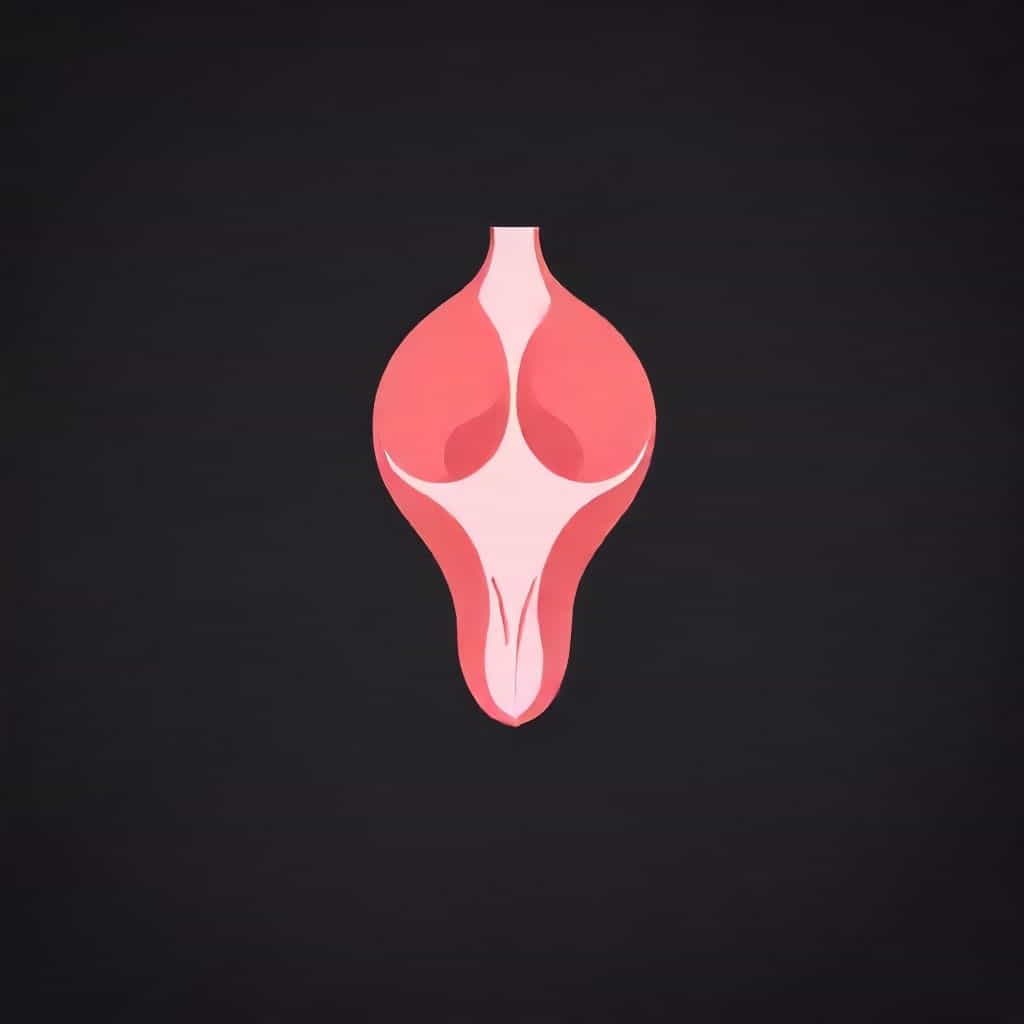
Understanding the Function of the Prepuce in the Female Reproductive SystemKeywords female prepuce, clitoral hood function, female reproductive anatomy, prepuce role, clitoris protectionThe female reproductive system is a complex network of internal and external organs that work together to support reproductive health, menstruation, and sexual function. While parts like the uterus, ovaries, and vagina are often highlighted, the external components also play important roles. One of these is the prepuce, also known as the clitoral hood.
In this topic, we explore the function of the prepuce in the female reproductive system, its structure, importance, and how it contributes to overall genital health and sexual function.
What Is the Female Prepuce?
The female prepuce is a fold of skin that covers and protects the clitoris, a highly sensitive part of the external genitalia. It is sometimes referred to as the clitoral hood. Just like the male foreskin covers the penis, the clitoral hood partially or fully covers the glans of the clitoris.
It is located at the top of the vulva, where the two labia minora meet. The prepuce develops from the same embryonic tissue as the male foreskin, which is why they share similar functions.
Structure of the Clitoral Hood
The clitoral hood is made of soft skin and mucosal tissue. It contains nerves and blood vessels and is flexible enough to move during sexual activity or physical stimulation.
Its appearance can vary from person to person. In some individuals, the clitoris is fully covered when not aroused, while in others, it may be more exposed. Both variations are completely normal.
Main Functions of the Female Prepuce
While small in size, the prepuce plays several important roles in maintaining the health and function of the female genitalia. Let’s break down these roles.
1. Protection of the Clitoris
The primary function of the prepuce is to protect the clitoris. The clitoris is one of the most sensitive parts of the body, containing thousands of nerve endings. The prepuce shields it from excessive friction, irritation, and injury from clothing, movement, or physical activity.
Without this protective covering, the clitoris might be overstimulated or become desensitized over time due to constant contact or rubbing.
2. Lubrication and Moisture Retention
The clitoral hood helps retain natural moisture around the clitoral glans. This environment supports healthy tissue and prevents dryness and irritation. Natural secretions under the hood may also help reduce the risk of infections by maintaining a balanced pH and promoting a clean surface.
3. Support in Sexual Stimulation
During sexual arousal, the clitoral hood often moves or retracts slightly, exposing more of the clitoris. This allows for increased sensitivity and pleasure during sexual activity. At the same time, the hood controls the level of stimulation, making it more comfortable and gradual.
In some individuals, manual retraction of the clitoral hood can further increase sensation, though it depends on personal sensitivity and preference.
4. Barrier Against Bacteria and Irritants
The prepuce acts as a physical barrier, helping reduce the exposure of the clitoral glans to external irritants, such as sweat, dirt, and bacteria. This protective role contributes to overall genital hygiene and lowers the chances of minor infections or inflammation.
5. Developmental and Embryological Role
Embryologically, the prepuce forms from the same tissue as the male foreskin. During early fetal development, both male and female genital structures begin similarly before differentiating into sex-specific organs. The presence of the prepuce in females is a natural result of this developmental process, showing its biological purpose and design.
Differences Between Male and Female Prepuce
While both serve protective and sensory functions, the female prepuce covers the clitoris, while the male foreskin covers the glans of the penis. Both are formed from similar tissue and serve similar purposes protection, lubrication, and sensation regulation.
However, the female prepuce typically does not retract in the same way as the male foreskin. Its movement is more subtle and varies among individuals.
Hygiene and Health Considerations
Keeping the area under the clitoral hood clean is important for personal hygiene. Natural secretions, dead skin cells, and sweat can build up under the prepuce if not gently cleaned during bathing.
Here are a few basic tips
-
Use warm water and mild soap when washing.
-
Avoid harsh scrubbing or scented products.
-
Gently separate the hood only if needed to clean underneath.
Regular hygiene helps prevent bacterial overgrowth, odor, or infections.
Conditions Related to the Female Prepuce
While rare, certain medical conditions can affect the prepuce
-
Clitoral phimosis This occurs when the clitoral hood is too tight and doesn’t retract properly. It may cause discomfort or reduced sensitivity.
-
Inflammation or infection Poor hygiene or irritation can lead to redness, swelling, or infection in the area.
-
Adhesions Sometimes, the hood can stick to the clitoris, especially in younger individuals, which may resolve naturally or require treatment.
If discomfort or symptoms persist, a visit to a healthcare provider is recommended.
Role in Sexual Well-being
The clitoral hood, together with the clitoris, plays an important part in female sexual arousal and pleasure. While the clitoris itself is the main organ of pleasure, the hood enhances or moderates this sensation. This allows for a more controlled and comfortable experience during stimulation.
Understanding the structure and function of the prepuce helps individuals feel more informed and confident about their own bodies, which can positively affect their emotional and sexual well-being.
Cultural and Medical Practices
In some cultures or regions, female genital cutting or modification involves removal of the clitoral hood. These practices are controversial and often debated from both cultural and health perspectives. From a medical standpoint, removing the prepuce can lead to reduced protection, discomfort, or altered sexual function.
It is important to approach such topics with cultural sensitivity and awareness of human rights, focusing on informed choices and health education.
Summary Table Female Prepuce Functions
| Function | Description |
|---|---|
| Clitoral protection | Shields the clitoris from friction and injury |
| Moisture retention | Maintains natural lubrication |
| Enhances sexual experience | Regulates stimulation and supports arousal |
| Hygiene support | Acts as a barrier against bacteria and irritants |
| Embryological development | Arises from same tissue as male foreskin |
The prepuce in the female reproductive system, or clitoral hood, is a small but significant structure that plays several essential roles. It protects the delicate clitoris, supports hygiene, contributes to sexual pleasure, and maintains a healthy genital environment.
Understanding this part of female anatomy encourages better personal care, informed decisions, and a deeper appreciation for the body’s design. Although it might seem like a minor component, the prepuce has a major impact on overall reproductive and sexual health.