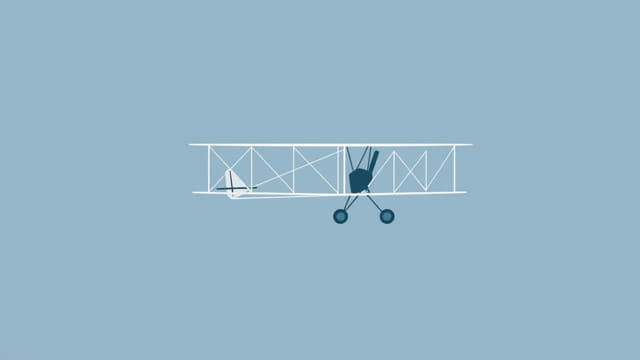
Orville Wright is a name forever linked to one of humanity’s most transformative achievements: the invention of the airplane. Together with his brother Wilbur, Orville was part of a duo that revolutionized transportation and sparked a new era in human mobility. But beyond the history books and the well-known first flight at Kitty Hawk, there are many fun and surprising facts about Orville Wright that reveal his personality, interests, and lesser-known contributions to aviation. These insights help paint a fuller picture of the man behind the machine, offering an entertaining and informative perspective for readers of all ages.
Early Life and Curiosity
A Self-Taught Innovator
Orville Wright was born on August 19, 1871, in Dayton, Ohio. He didn’t attend college, nor did he receive formal training in engineering or aeronautics. Yet, his natural curiosity and self-taught mechanical skills led him to become one of the greatest inventors in history. Orville, alongside Wilbur, studied bird flight, experimented with kites, and built gliders before ever attempting powered flight.
Love for Printing and Bicycles
Before flying, Orville had a passion for printing. He built a printing press and even published his own newspaper as a teenager. Later, he and Wilbur opened a bicycle shop, which provided the financial means and mechanical expertise that would fuel their aviation experiments. Interestingly, it was the brothers’ understanding of bicycle balance and control that played a crucial role in developing their flight control system.
Quirky Habits and Personality Traits
Orville Was the More Outgoing Brother
Between the Wright brothers, Orville was generally considered the more outgoing and sociable one. While Wilbur was serious and focused, Orville enjoyed public interaction a bit more and had a humorous side. This contrast in personality helped balance their working relationship.
He Never Married
Orville Wright remained a bachelor his entire life. He once joked that he didn’t have time for both a wife and an airplane. This allowed him to devote his full energy to his work, but it also contributed to a solitary personal life, especially after Wilbur’s early death in 1912.
Milestones and Achievements
The First Powered Flight
On December 17, 1903, Orville piloted the first successful powered, controlled, and sustained flight of a heavier-than-air machine at Kitty Hawk, North Carolina. The flight lasted 12 seconds and covered 120 feet. Wilbur flew the fourth and final flight of the day, which lasted nearly a full minute.
Inventor of the Airplane Control System
One of the major contributions of the Wright brothers and especially Orville was the development of a three-axis control system that made fixed-wing flight possible. This control method allowed a pilot to steer and maintain equilibrium, and it remains a standard in aviation today.
Fun and Unexpected Facts
Orville Had a Bad Crash
In 1908, Orville suffered a serious crash during a demonstration flight for the U.S. Army. The crash killed passenger Thomas Selfridge, making him the first fatality in powered flight. Orville was badly injured with a broken leg and four broken ribs, and he walked with a limp for the rest of his life.
He Lived Long Enough to See Jet Planes
Orville Wright died in 1948. By that time, the world had not only embraced aviation but had entered the jet age. Just 45 years after the Wright brothers’ first flight, aircraft were flying faster than the speed of sound. Orville once remarked in awe at the rapid pace of innovation.
He Hated Hollywood’s Version of History
Orville was deeply critical of how the Wright brothers’ story was portrayed in movies. He believed the facts were often twisted or overly dramatized. In fact, he refused to cooperate with certain filmmakers and once said that a film about the Wright brothers would never get the story right.
First Flight Was Almost Missed by the Press
When Orville and Wilbur made their first powered flight, the press largely ignored it. Few people believed flight had been achieved. It took a couple of years before the world truly recognized what they had accomplished.
Legacy and Recognition
Orville’s Place in History
Though Wilbur died relatively young, Orville lived to see many of the aviation developments that followed their invention. He served on various aeronautical committees and advocated for preserving the legacy of early flight. He was instrumental in founding what would become the National Advisory Committee for Aeronautics (NACA), which later evolved into NASA.
Honored in Many Ways
- Dayton, Ohio, is home to the Wright brothers’ museum and memorial.
- Orville appeared on U.S. postage stamps and currency commemorations.
- The Wright brothers’ 1903 Flyer is displayed at the Smithsonian National Air and Space Museum.
- In 2003, the U.S. celebrated the centennial of powered flight in Orville and Wilbur’s honor.
Orville Wright was much more than just an inventor. He was a curious, inventive, and determined man whose contributions to aviation changed the course of human history. From building printing presses and bicycles to piloting the world’s first airplane, Orville’s life is filled with moments of creativity, resilience, and quiet brilliance. His legacy continues to inspire future generations of engineers, dreamers, and explorers. These fun facts about Orville Wright offer a glimpse into the life of a man who helped the world take flight literally and metaphorically. Whether remembered for his historic flight at Kitty Hawk or his lifelong commitment to innovation, Orville Wright remains a timeless icon of human achievement.