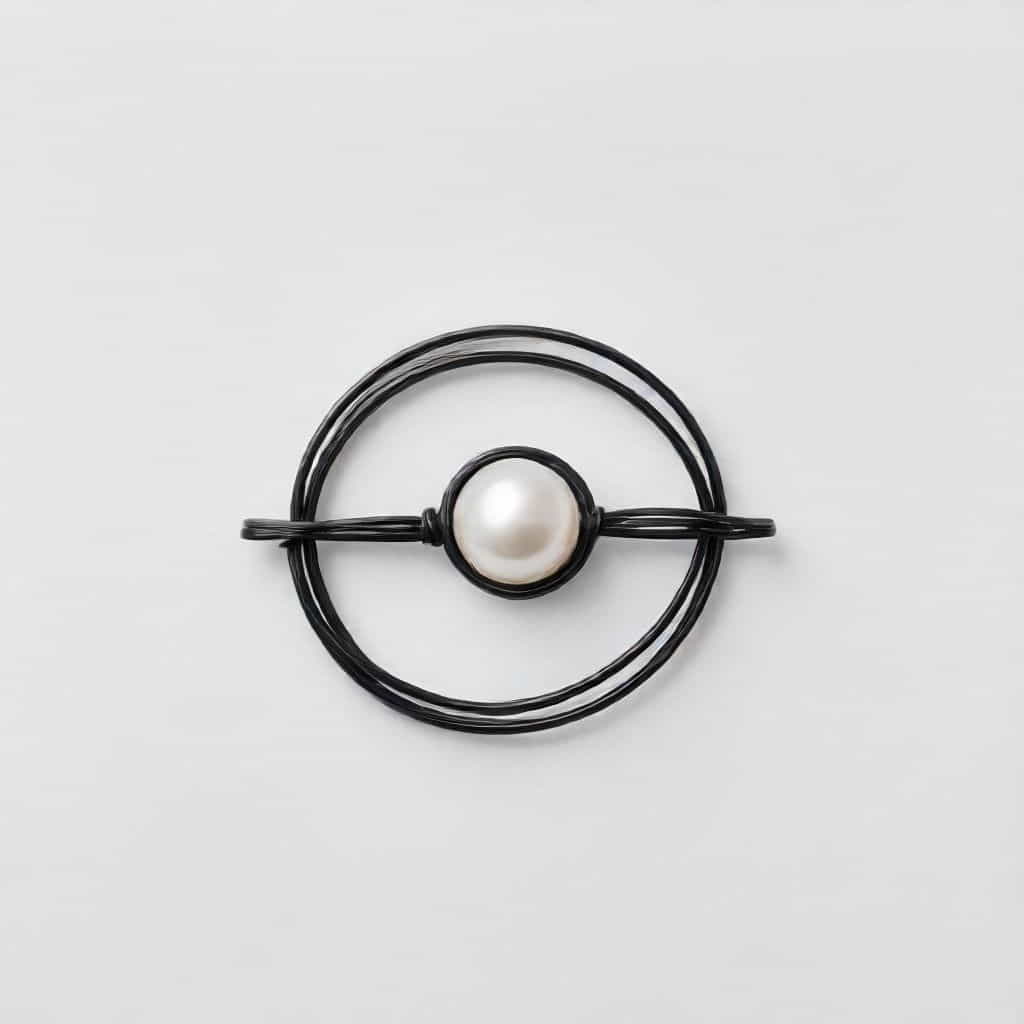
French Wire for Pearl Knotting A Guide to Creating Elegant JewelryPearl knotting is a cherished technique used in jewelry making to create beautiful and delicate pieces, such as necklaces and bracelets. One of the essential components of this process is French wire, which is used to secure and protect the pearls while enhancing the overall design. French wire not only adds a sophisticated touch but also plays a crucial role in the durability of pearl jewelry.
In this topic, we will explore what French wire is, how it is used in pearl knotting, and why it is an important element for creating stunning pearl jewelry. Whether you are an experienced jewelry maker or a beginner, understanding the role of French wire can help you create professional-quality pieces.
What is French Wire?
French wire, also known as bullion wire, is a delicate metal wire that is typically used to cover and protect the knots made between pearls. It is often made of fine metals like gold, silver, or copper, and is coiled into a small tube-like shape. This coiled design helps to protect the delicate silk or nylon thread used in knotting from wear and tear, ensuring the longevity of the jewelry.
French wire comes in various sizes and finishes, allowing jewelry makers to choose the perfect wire to match the style of the pearls and the overall design of the piece. The wire’s shiny, smooth surface also enhances the visual appeal of pearl necklaces and bracelets, adding a touch of elegance and refinement.
Why is French Wire Important in Pearl Knotting?
Pearl knotting is the technique of tying knots between each pearl on a strand, ensuring that the pearls do not rub against each other. This method helps prevent the pearls from being scratched or damaged, as well as ensures that if the necklace or bracelet breaks, the pearls won’t scatter. French wire plays a crucial role in this process by providing added protection and aesthetics.
Here are some of the main reasons why French wire is important in pearl knotting
1. Protecting the Thread
The most significant benefit of French wire is its ability to protect the silk or nylon thread used in pearl knotting. The wire helps to prevent friction between the thread and the pearls, which can cause the thread to wear out and eventually break over time. By covering the thread with French wire, you increase the durability and lifespan of the jewelry.
2. Creating a Smooth Finish
French wire helps to create a smooth, finished look at the ends of the strand. When knotting pearls, the ends can sometimes appear unfinished or uneven. French wire covers the knots at the ends of the strand, giving the piece a professional and polished appearance.
3. Enhancing the Design
French wire adds a touch of luxury and sophistication to pearl jewelry. Whether it is made of gold, silver, or another precious metal, the shine and texture of the wire can enhance the overall look of the piece. French wire complements the lustrous appearance of pearls, making it a perfect choice for elegant and high-quality jewelry.
How to Use French Wire in Pearl Knotting
Using French wire in pearl knotting is a relatively simple process, but it requires attention to detail to ensure that the wire is applied correctly and effectively. Below are the steps to follow when incorporating French wire into your pearl knotting project.
1. Prepare the Materials
Before you begin, gather the necessary materials, including
-
Freshwater or cultured pearls
-
Silk or nylon thread
-
French wire
-
Beading needle
-
Scissors
-
Clasp or findings (optional)
Make sure the French wire is cut to the appropriate length based on the size of the pearls and the overall design.
2. Cut the French Wire
Measure and cut the French wire into small sections, usually about 2-3 cm long, depending on the size of the pearls and the desired spacing between each knot. The wire should be long enough to cover the knot but not too long that it looks bulky or uneven.
3. Add French Wire to the End of the Thread
Start by threading the silk or nylon thread through the French wire, positioning it near the first pearl. The wire should be snug around the thread, but not too tight. Make sure the wire is placed so that it covers the knot you will make between the first pearl and the next bead in the strand.
4. Knot the Pearls
Proceed with knotting the pearls as you normally would, ensuring that the French wire stays in place to protect the thread. After each knot, slide the next pearl into position. If you are using larger pearls, you may need more French wire to provide additional coverage.
5. Secure the End
Once you’ve completed the knotting and added French wire to the ends, you can finish the piece by attaching a clasp or other findings. Use the French wire to cover the final knot, securing the thread and creating a smooth, polished finish.
Types of French Wire
French wire is available in various types, each offering unique features that can enhance your jewelry design. Below are some of the most common types of French wire used in pearl knotting
1. Gold French Wire
Gold French wire is one of the most luxurious and popular choices for pearl knotting. It adds a warm, rich appearance to the jewelry and complements the natural luster of pearls. Gold French wire can be found in various karats, such as 14k, 18k, and 22k, allowing jewelry makers to choose the ideal quality for their pieces.
2. Silver French Wire
Silver French wire is a more affordable option compared to gold, but it still offers a shiny, polished finish. Silver wire can be used for both traditional and contemporary designs, and it pairs well with both white and colored pearls. It is available in both sterling silver and fine silver varieties.
3. Copper French Wire
Copper French wire is often used for more rustic or bohemian-inspired jewelry. While it may not have the same level of luxury as gold or silver, copper wire adds an earthy, vintage feel to the piece. Copper French wire can be used with pearls of any color and can be aged for a more antique look.
4. Plated French Wire
For those on a budget, plated French wire is an affordable alternative. It is typically made from a base metal, such as brass or copper, and then coated with a thin layer of gold, silver, or platinum. Plated French wire can mimic the appearance of precious metals at a fraction of the cost.
Tips for Working with French Wire
Here are some helpful tips to ensure that you make the most of your French wire when knotting pearls
-
Use a Needle A beading needle makes it easier to thread the French wire onto the silk or nylon thread.
-
Be Gentle French wire is delicate, so handle it with care to avoid bending or damaging it.
-
Match the Wire to the Design Choose a French wire that complements the color and style of your pearls, as well as the overall design of the jewelry.
French wire is an essential component in pearl knotting, providing both protection and elegance to the finished piece. Whether you’re creating a classic pearl necklace or an intricate bracelet, using French wire ensures that your jewelry lasts for years and looks stunning. With its variety of materials and designs, French wire offers endless possibilities for enhancing the beauty of your pearl creations.