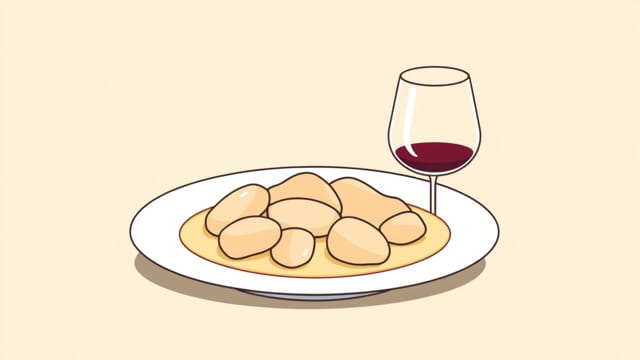
Chicken fricassee is a timeless dish that bridges the gap between comfort food and gourmet cooking. With its tender chicken pieces simmered in a rich white wine sauce, infused with herbs, vegetables, and cream, this dish has become a favorite for both home cooks and food enthusiasts. Whether served on a quiet evening at home or as the centerpiece of a weekend dinner party, chicken fricassee offers the perfect balance of elegance and hearty satisfaction. The combination of food and wine in this recipe elevates the flavors and makes it ideal for those who love traditional French cuisine with a modern twist.
Understanding Chicken Fricassee
What Is Chicken Fricassee?
Chicken fricassee is a classic French dish that blends elements of both sautéing and stewing. Unlike traditional stews where meat is browned first, fricassee begins by lightly sautéing the chicken without letting it get too brown. The meat is then simmered slowly in a white sauce made with stock, cream, and sometimes wine, creating a velvety and flavorful coating.
The Importance of Technique
The delicate nature of this recipe means attention must be paid to heat levels and timing. The chicken should remain moist and tender, not overcooked or dry. The sauce should be creamy but not too thick, maintaining a smooth texture that complements the chicken and vegetables. Mastering the art of fricassee is about balancing richness with freshness and simplicity with depth of flavor.
Essential Ingredients for a Flavorful Dish
Main Ingredients
- Chicken (bone-in thighs or drumsticks are best)
- Butter and olive oil
- Carrots, celery, and onions (the classic mirepoix)
- Garlic
- White wine
- Chicken stock
- Flour (for thickening)
- Heavy cream or crème fraîche
- Fresh herbs (thyme, bay leaf, parsley)
- Mushrooms (optional for added umami)
Choosing the Right Wine
Wine plays a key role in the flavor of chicken fricassee. A dry white wine such as Sauvignon Blanc, Chardonnay, or Pinot Grigio is recommended. The wine adds acidity, depth, and complexity to the dish. It also helps deglaze the pan, lifting all the savory bits that develop during cooking and incorporating them into the sauce.
How to Make Chicken Fricassee with Food and Wine in Mind
Step-by-Step Instructions
1. Prepare the Chicken
Season the chicken generously with salt and pepper. In a large pan, melt butter with olive oil over medium heat. Lightly brown the chicken on all sides without allowing it to become too dark. Remove the chicken and set aside.
2. Sauté the Vegetables
In the same pan, add chopped onions, carrots, celery, and garlic. Cook until the vegetables begin to soften and release their aromas. This forms the flavor base of the dish.
3. Deglaze with Wine
Pour in the white wine, stirring to loosen any browned bits on the bottom of the pan. Let the wine reduce by half to intensify its flavor before adding the chicken stock and returning the chicken pieces to the pan.
4. Simmer Slowly
Add bay leaf and thyme, then cover the pan and simmer for about 30 to 40 minutes until the chicken is tender and fully cooked. You can add sliced mushrooms at this stage if you like.
5. Finish the Sauce
Remove the chicken once again and whisk in a mixture of flour and cream to thicken the sauce. Simmer gently until the sauce reaches a creamy consistency. Return the chicken to the pan, and allow it to heat through in the sauce for a few minutes before serving.
Perfect Wine Pairings for Chicken Fricassee
Why White Wine Works Best
White wine complements the creamy, herby profile of chicken fricassee beautifully. The acidity in the wine cuts through the richness of the sauce, cleansing the palate with each bite. A good wine pairing should highlight the delicate flavors of the dish without overwhelming them.
Top Recommendations
- Chardonnay: Offers buttery notes that echo the cream in the sauce
- Pinot Blanc: Light and floral, pairs well with the herbs and tender chicken
- Sauvignon Blanc: Crisp and zesty, ideal for lifting the dish’s subtle flavors
Side Dishes That Complement Chicken Fricassee
Classic Accompaniments
Chicken fricassee is often served over a starch to soak up the delicious sauce. Some popular sides include:
- Mashed potatoes
- Buttered egg noodles
- Steamed rice
- Rustic crusty bread
Vegetable Options
To balance the richness of the dish, consider serving it with lightly steamed green beans, asparagus, or a mixed green salad with vinaigrette. These sides bring freshness and color to the plate without overpowering the flavors of the chicken fricassee.
Tips for Making the Best Chicken Fricassee
Don’t Rush the Process
Allowing the sauce to reduce properly and the chicken to simmer slowly is essential for deep, rich flavors. Rushing the cooking process can result in a thin sauce or tough chicken.
Use Bone-In Chicken for More Flavor
While boneless chicken can be used for convenience, bone-in pieces offer more flavor and tenderness, especially when cooked slowly in liquid.
Add a Splash of Lemon Juice
A squeeze of fresh lemon juice just before serving brightens the dish and adds a fresh, tangy finish that pairs well with the creamy wine sauce.
The History and Evolution of Fricassee
Roots in French Cuisine
Fricassee has been around since medieval times and remains a staple in traditional French cooking. It was mentioned in cookbooks as far back as the 14th century and has evolved into various forms throughout Europe and the Americas.
Modern Twists
Today, chicken fricassee appears in many regional variations, including versions that use coconut milk, different herbs, or added vegetables. Some chefs also experiment with alternative proteins such as veal or seafood, but the classic chicken and wine combination remains the most loved and recognizable.
Chicken fricassee is more than just a comforting chicken dish. It’s a flavorful marriage of food and wine that brings out the best in both. The gentle simmering, the herb-infused sauce, and the use of white wine all contribute to a meal that is both refined and approachable. Whether you’re hosting a dinner or simply want a satisfying homemade meal, mastering chicken fricassee can transform your cooking repertoire. With the right ingredients, wine, and attention to detail, this classic dish never fails to impress or satisfy.