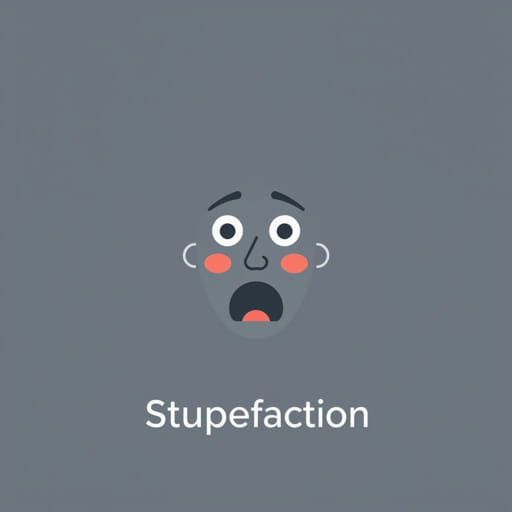
In everyday English, the word ‘stupefaction’ may not appear as frequently as other terms, but its meaning carries powerful emotional and mental weight. When someone experiences stupefaction, they are often so shocked, stunned, or amazed that their usual thought processes seem to pause. This state can arise from both positive and negative experiences, and understanding the term helps deepen your English vocabulary, especially in contexts involving surprise, disbelief, or overwhelming experiences. The English meaning of stupefaction goes beyond mere confusion it touches on psychological and emotional paralysis caused by astonishment or fear.
Definition and Basic Meaning
What Does ‘Stupefaction’ Mean in English?
The English meaning of ‘stupefaction’ refers to a state of being so shocked or surprised that a person is unable to think or respond clearly. It describes a condition of mental numbness or bewilderment caused by something unexpected or powerful. This term originates from the Latin wordstupefacere, meaning ‘to make stupid or senseless.’
Part of Speech and Usage
‘Stupefaction’ is a noun. It is commonly used to describe someone’s reaction to an event that is overwhelming, unbelievable, or hard to process. Here are some ways the term might appear in sentences:
- He stared instupefactionat the destroyed building.
- Her sudden confession left him in completestupefaction.
- The crowd watched instupefactionas the magician vanished.
Emotional and Psychological Implications
Not Just Confusion
While ‘stupefaction’ might be related to confusion, it is more intense. Confusion might happen during a difficult exam or when reading complex material. In contrast, stupefaction often results from a deeply emotional moment, like hearing shocking news, witnessing a miracle, or surviving a disaster.
Emotional Range
Stupefaction can accompany various feelings:
- Fear: A terrifying incident may leave someone frozen in stupefaction.
- Awe: Seeing something magnificent, like a natural wonder, may create a state of stupefaction.
- Disbelief: Discovering an unexpected truth can push the brain into a stunned state.
- Grief or Shock: Sudden loss often leads to emotional numbness and mental shutdown.
Contexts Where ‘Stupefaction’ Is Commonly Used
Literature and Storytelling
Writers and poets often use ‘stupefaction’ to describe a character’s emotional response to an overwhelming event. The word helps show that the character is too stunned to react normally, enhancing dramatic effect.
Everyday Speech
In casual conversation, ‘stupefaction’ might be replaced with simpler terms like ‘shock’ or ‘astonishment.’ However, educated speakers or writers might use it to add sophistication to their language.
News and Journalism
Reporters may use this word when describing public reactions to surprising events such as natural disasters, political scandals, or unexpected deaths. It emphasizes the depth of public emotion and confusion.
Synonyms and Related Terms
Synonyms
- Amazement
- Shock
- Bewilderment
- Daze
- Perplexity
- Confoundment
Similar but Different
While the above synonyms carry overlapping meanings, ‘stupefaction’ implies a stronger, more paralyzing effect on the mind. For instance, someone might be bewildered by a difficult math problem but stupefied by seeing a spaceship land in their backyard.
Antonyms and Opposites
Clarity and Understanding
The opposite of stupefaction would be clarity, composure, or quick response. When someone is calm and rational despite challenges, they are the opposite of stupefied.
- Comprehension
- Alertness
- Awareness
- Presence of mind
Examples of ‘Stupefaction’ in Real-life Situations
In Natural Disasters
After an earthquake or hurricane, survivors often wander in stupefaction, unable to believe the extent of the damage around them.
In Sports
A last-second win or an unexpected upset can leave fans and commentators in stupefaction, unsure how to describe what they just witnessed.
In Education
Students may experience stupefaction when confronted with results that defy their expectations whether too good or shockingly bad.
In Personal Relationships
Receiving unexpected news in a relationship, such as a breakup or proposal, might leave someone momentarily speechless and mentally stunned.
How to Use ‘Stupefaction’ in a Sentence
Correct Usage
- She fell into a state ofstupefactionafter hearing the unbelievable news.
- The magician’s trick caused a ripple ofstupefactionacross the audience.
- In a moment ofstupefaction, he dropped the phone and simply stared into space.
Common Mistakes
Be careful not to confuse ‘stupefaction’ with ‘stupidity.’ While both share the root ‘stupe,’ they have very different meanings. ‘Stupefaction’ is a temporary mental state caused by an overwhelming event, not a trait or permanent condition.
Why Learning the Word ‘Stupefaction’ Matters
Boosts Vocabulary
Adding words like ‘stupefaction’ to your vocabulary improves your ability to express nuanced emotions and states of mind. It allows for clearer communication, especially in emotional or complex situations.
Enhances Writing
Writers who use ‘stupefaction’ correctly can paint more vivid pictures of human reactions. It helps readers connect with the emotional reality of characters or situations.
Improves Comprehension
When reading advanced texts or news reports, understanding the meaning of words like ‘stupefaction’ prevents misinterpretation and increases reading fluency.
The English meaning of ‘stupefaction’ captures a profound mental and emotional state that words like ‘surprise’ or ‘shock’ might not fully describe. It conveys the paralysis of thought and speech when a person is overwhelmed by an event or realization. Whether you’re reading literature, watching the news, or describing your own emotional experiences, this word enriches your ability to communicate complex reactions. By learning and using ‘stupefaction’ thoughtfully, you can elevate your English skills and convey deeper layers of meaning in your conversations and writing.