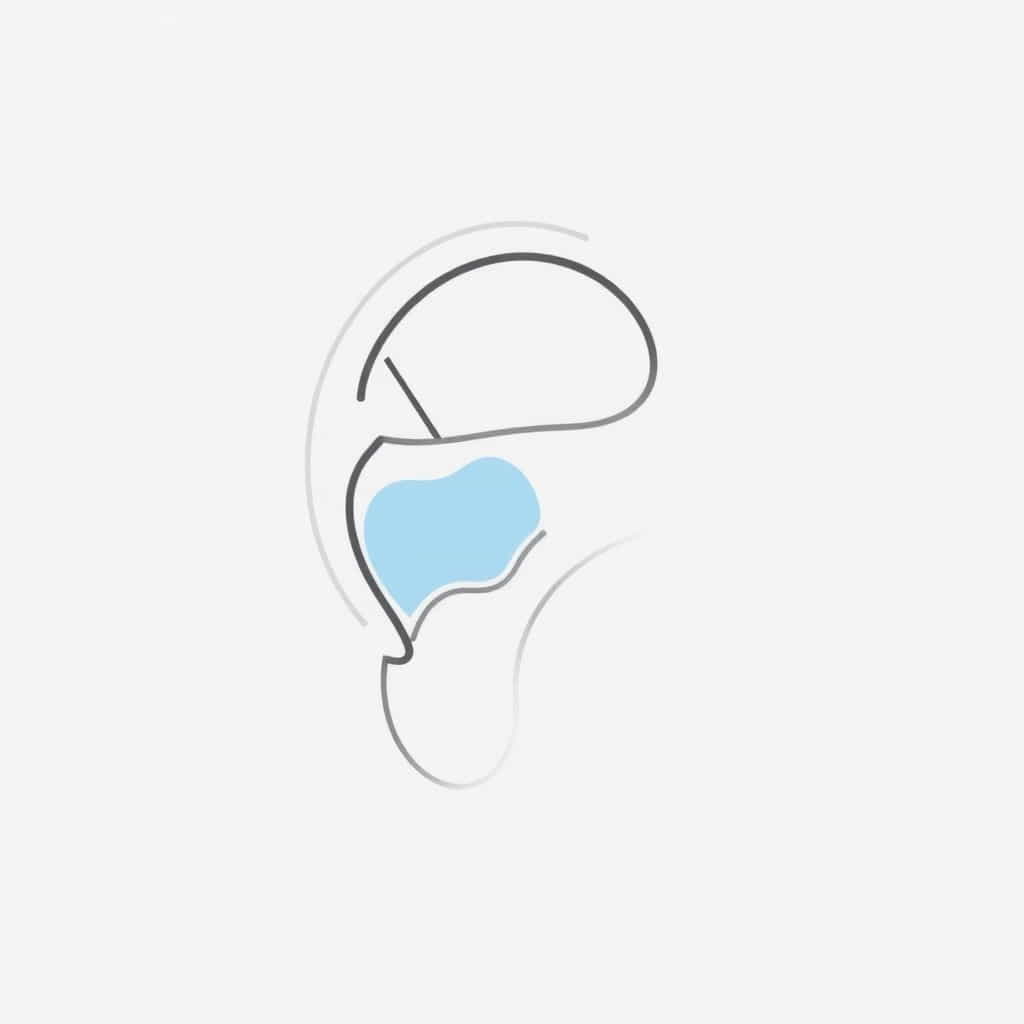
Does Scala Tympani Contain Endolymph? Understanding the Fluids of the Inner EarThe inner ear is a delicate and highly specialized structure responsible for hearing and balance. It contains various compartments filled with fluid that play essential roles in transmitting sound vibrations and maintaining equilibrium. Among these compartments are the scala tympani, scala media, and scala vestibuli. A common point of confusion is whether the scala tympani contains endolymph, one of the two primary fluids found in the cochlea.
This topic explores the structure of the cochlea, the differences between endolymph and perilymph, and the specific contents and function of the scala tympani. We’ll clarify what fluid it contains and why that matters in the process of hearing.
The Structure of the Cochlea
The cochlea is a spiral-shaped, fluid-filled structure in the inner ear. It is the main organ involved in converting sound vibrations into nerve signals. Inside the cochlea, there are three parallel fluid-filled chambers
-
Scala vestibuli (upper chamber)
-
Scala media (middle chamber, also called the cochlear duct)
-
Scala tympani (lower chamber)
These chambers are separated by membranes and filled with specific fluids crucial for transmitting sound.
What Are Endolymph and Perilymph?
To understand the contents of the scala tympani, it’s essential to know the two types of fluid found in the cochlea endolymph and perilymph.
Endolymph
-
Found in the scala media.
-
Rich in potassium (Kâº) and low in sodium (Naâº).
-
Plays a key role in stimulating the hair cells responsible for hearing.
-
Has unique electrochemical properties crucial for converting sound into electrical signals.
Perilymph
-
Found in both the scala vestibuli and scala tympani.
-
High in sodium and low in potassium, similar to extracellular fluid in the body.
-
Helps transmit sound vibrations from the oval window to the round window within the cochlea.
Does the Scala Tympani Contain Endolymph?
No, the scala tympani does not contain endolymph. Instead, it is filled with perilymph. This is a crucial distinction because the type of fluid present affects how sound waves are conducted and how sensory cells respond.
The scala media, which lies between the scala vestibuli and scala tympani, is the only chamber that contains endolymph. It houses the organ of Corti, the sensory structure that includes hair cells responsible for hearing. The presence of endolymph here is essential for the hair cells to function properly.
Role of Perilymph in the Scala Tympani
The perilymph in the scala tympani has several important roles
-
Transmits Sound Vibrations After sound enters the ear, vibrations pass from the oval window through the scala vestibuli and eventually travel down to the scala tympani.
-
Pressure Relief The round window, located at the end of the scala tympani, allows pressure to dissipate after vibrations have traveled through the cochlea.
-
Maintains Ionic Balance Perilymph supports the general ionic environment necessary for the function of cochlear structures.
Membranes Separating the Cochlear Chambers
The cochlear ducts are separated by thin but functional membranes
-
Reissner’s membrane separates the scala vestibuli from the scala media.
-
Basilar membrane separates the scala media from the scala tympani.
These membranes help keep endolymph and perilymph from mixing, which is vital because each fluid has very different ionic compositions and roles.
Why Endolymph Cannot Be in the Scala Tympani
Mixing endolymph and perilymph would disrupt the delicate electrochemical gradients required for hearing. The high potassium content of endolymph is toxic to cells not specialized to handle it, which is why it is confined to the scala media.
The scala tympani, as a passive channel for pressure waves, does not need the specialized properties of endolymph. Instead, it serves as a conduit for perilymph movement that allows the mechanical wave to travel through the cochlea effectively.
What Happens If Fluids Are Mixed?
In some diseases of the inner ear, such as Ménière’s disease, the normal separation between endolymph and perilymph can break down. This can lead to
-
Hearing loss
-
Vertigo
-
Tinnitus (ringing in the ears)
-
Imbalance
These conditions highlight how important the proper distribution of these fluids is for healthy ear function.
Summary of Key Differences
| Feature | Endolymph | Perilymph |
|---|---|---|
| Found in | Scala media | Scala tympani & vestibuli |
| High in | Potassium (Kâº) | Sodium (Naâº) |
| Main role | Activates hair cells | Transmits sound |
| Location in cochlea | Middle chamber | Upper and lower chambers |
Importance of Understanding Cochlear Fluids
For students, medical professionals, and anyone interested in biology, understanding where endolymph and perilymph are located is key to grasping how hearing works. It also helps in diagnosing and treating ear disorders related to fluid imbalances.
Knowing that the scala tympani contains perilymph, not endolymph, clears up a common misconception and deepens our appreciation of the inner ear’s precision.
To sum up, the scala tympani does not contain endolymph. It is filled with perilymph, a sodium-rich fluid that plays a key role in transmitting sound waves through the cochlea. Endolymph is confined to the scala media, where it interacts with the sensory cells of the organ of Corti.
This precise separation of fluids is essential for proper hearing. Any disturbance in their balance or distribution can lead to hearing and balance disorders. Understanding this basic yet crucial aspect of ear anatomy gives us insight into how our bodies perceive the world through sound.