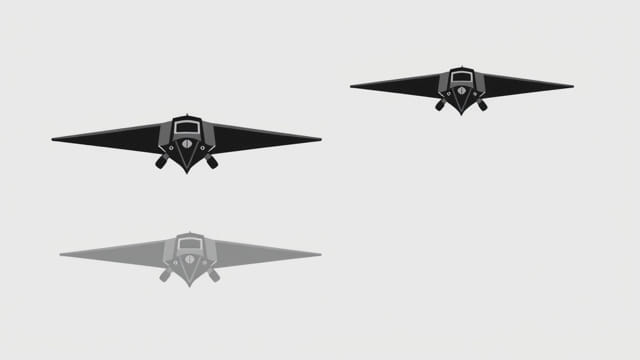
Among the many animated shows that entertained audiences in the late 20th century, Dastardly e le Macchine Volanti holds a unique place in both Italian pop culture and the broader history of cartoon comedy. Known in English-speaking countries as Dastardly and Muttley in Their Flying Machines, the show featured outlandish aerial chases, inventive slapstick humor, and an unforgettable cast of characters. The series became a staple of nostalgic television and continues to live on through reruns, fan discussions, and vintage animation fandom. With its exaggerated schemes and over-the-top contraptions, Dastardly e le Macchine Volanti captured the imagination of viewers across generations.
The Origins of Dastardly e le Macchine Volanti
The original series was created by Hanna-Barbera Productions and aired in 1969 under the title Dastardly and Muttley in Their Flying Machines. The show was a comedic take on aerial pursuit, inspired loosely by the film Those Magnificent Men in Their Flying Machines. It was rebranded in Italy as Dastardly e le Macchine Volanti, where it found a dedicated fanbase and gained its own cultural identity.
The central plot revolves around the Vulture Squadron, a group of bumbling aviators tasked with stopping a carrier pigeon named Yankee Doodle Pigeon. Each episode features the team led by the mustache-twirling Dick Dastardly constructing elaborate flying machines in their never-ending and always unsuccessful mission to intercept the pigeon.
Characters and Their Appeal
Much of the show’s charm lies in its eccentric characters, each bringing their own brand of comedic incompetence to the team:
- Dick Dastardly: The leader of the Vulture Squadron, known for his dramatic speeches, wild ideas, and constant frustration when plans go awry.
- Muttley: Dastardly’s snickering sidekick, famous for his wheezing laugh and mumbling commentary. Muttley often steals the spotlight with his attempts to earn medals.
- Zilly: The cowardly pilot who is always hiding or running away when it’s time to fly.
- Klunk: The mechanical genius who communicates in grunts and sound effects while building bizarre flying machines.
The chemistry between these characters forms the backbone of the show’s humor. The repetitive formula, much like Wacky Races, emphasized creative failure, which became its own form of entertainment.
Italian Reception and Legacy
In Italy, Dastardly e le Macchine Volanti was dubbed with localized humor and catchy theme songs, which helped cement its place in Italian television history. The show aired on various channels over the years, often as part of Saturday morning cartoon lineups, becoming a familiar sight for generations of children growing up in the 70s, 80s, and 90s.
Italian fans often remember the voice work with great fondness. The dubbing brought new life to the characters, adapting their quirks to suit Italian comedic timing. Dastardly’s shouting, Muttley’s grumbling, and Klunk’s garbled inventions all resonated with young viewers who found both joy and curiosity in each episode’s unpredictable outcome.
Why It Remains a Fan Favorite
There are several reasons Dastardly e le Macchine Volanti still holds a place in viewers’ hearts:
- Timeless physical comedy that appeals across age groups
- Creative mechanical designs and imaginative flying machines
- Memorable character dynamics and classic cartoon tropes
- Nostalgic associations with childhood and simpler entertainment
The show’s simplicity is part of its strength. While the storyline never changes drastically, the variety in execution from malfunctioning wings to exploding gadgets keeps it fun and unpredictable.
The Flying Machines: Invention and Absurdity
One of the most iconic elements of the series is the ever-changing fleet of aircraft built by the Vulture Squadron. These machines often look impractical and are filled with comedic flaws, but they reflect a kind of cartoon engineering creativity that fascinated young audiences.
From pedal-powered helicopters to rocket-propelled gliders, each machine had its own gimmick, often tied to Klunk’s absurd inventions. No matter how advanced or ridiculous the contraptions seemed, they always ended in disaster plummeting to the ground, blowing up midair, or falling apart at the worst moment. This predictable failure became a running joke and part of the show’s charm.
Muttley’s Dream Sequences
Occasionally, episodes include dream sequences or side plots focusing on Muttley. These moments let viewers dive deeper into his quirky personality. In particular, the Muttley’s Medal fantasy segments show him imagining heroic acts that earn him prestigious awards, only for reality to intervene and crush his dreams. These sequences became iconic in their own right and added an emotional undertone to the otherwise slapstick narrative.
Cultural Impact Beyond Television
While the show itself ran for only one season with 34 episodes, its legacy extended beyond television. Dastardly and Muttley have appeared in other Hanna-Barbera shows, video games, and even modern reboots. In Italy, the characters have remained recognizable cultural symbols, referenced in memes, retro merchandise, and nostalgic media tributes.
Collectible toys, DVD releases, and retro programming blocks have all contributed to a renewed interest in the show among older fans. There has also been fan art and fanfiction that imagines new misadventures for the Vulture Squadron, proving that the characters still inspire creativity today.
Modern Perceptions and Reappraisal
In recent years, fans and media critics have revisited shows like Dastardly e le Macchine Volanti through the lens of animation history. While the show’s humor is rooted in repetition and slapstick, it’s now also appreciated for its innovative visual design and timing. Animators often point to the clever choreography of aerial scenes and the expressiveness of the characters as high points in classic Hanna-Barbera animation.
Dastardly e le Macchine Volanti is more than just a forgotten cartoon; it’s a symbol of timeless comedy, inventive storytelling, and enduring character design. Its success in Italy and continued presence in nostalgic circles prove that sometimes, the simplest stories told with enthusiasm and creativity can leave the most lasting impact. Whether you remember Muttley’s laugh or Dastardly’s shouts of Muttley, do something!, this classic series remains a joyful tribute to the art of animated mischief.