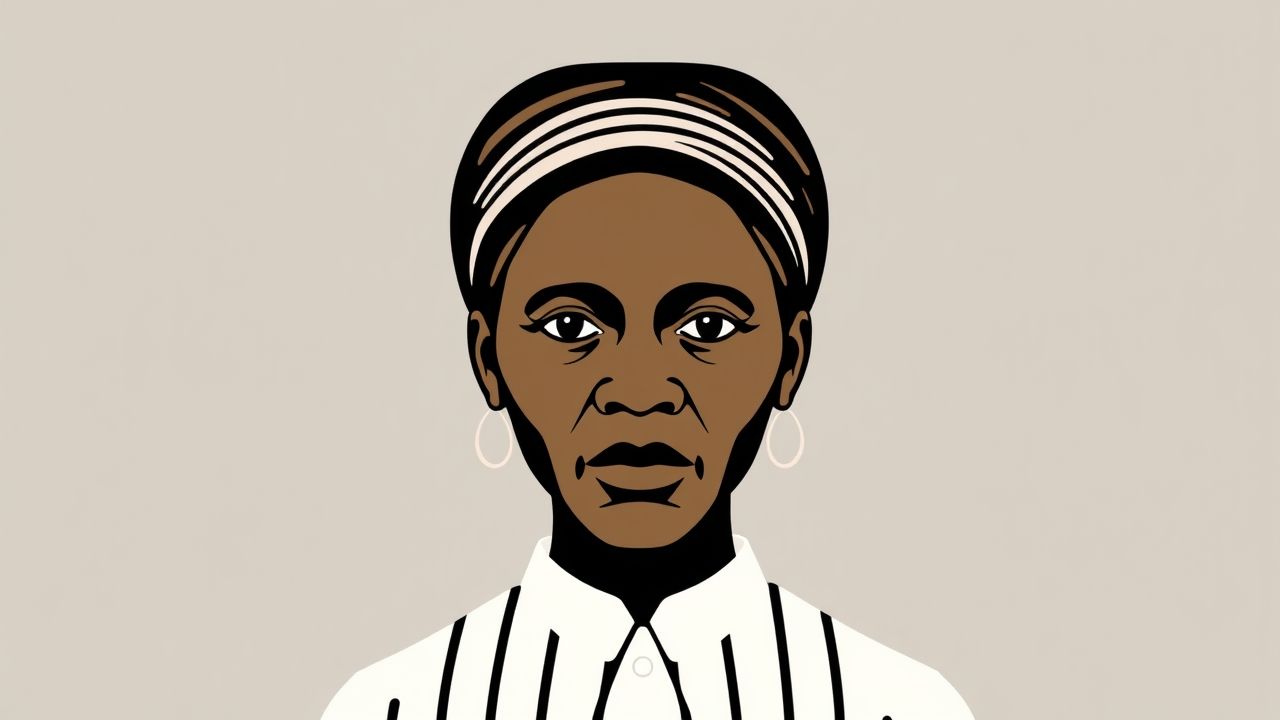
Harriet Tubman remains one of the most revered figures in American history for her bravery, determination, and unwavering commitment to freedom. Born into slavery, Tubman faced unimaginable hardships that shaped her mission to liberate others. Her life was filled with obstacles, both personal and political, and she navigated them with extraordinary resilience. Understanding the challenges Harriet Tubman faced provides deeper insight into the reality of slavery, the Underground Railroad, and the fight for justice in a deeply divided country.
Early Life in Slavery
Harriet Tubman was born Araminta Ross in Dorchester County, Maryland, around 1822. As an enslaved person, her childhood was marked by hardship and cruelty. She endured grueling labor from a young age, often working in fields and homes for different masters. The physical demands of slavery left her with lifelong injuries. One of the most significant events of her early life was a traumatic head injury caused by a heavy weight thrown by an overseer. This injury led to lifelong seizures, headaches, and visions, which Tubman later interpreted as divine guidance.
Psychological and Emotional Struggles
The mental toll of slavery on Harriet Tubman was profound. She witnessed and experienced brutal treatment, including whippings and forced separations from loved ones. These emotional wounds left deep scars but also fueled her determination to fight for her freedom and the freedom of others. Fear, uncertainty, and loss were constant companions, but they never overcame her will to resist oppression.
Escaping Slavery
Escaping slavery was among the most dangerous and challenging acts any enslaved person could undertake. In 1849, Harriet Tubman escaped from Maryland to Pennsylvania, a free state. The journey was treacherous, requiring stealth, courage, and the help of abolitionists and sympathizers. She risked recapture, punishment, or death with every step. Successfully reaching the North did not bring immediate peace Tubman could not rest while her family and others remained enslaved.
Legal and Physical Dangers
Even after reaching the North, Harriet Tubman was not safe. The Fugitive Slave Act of 1850 intensified the risks for escaped slaves and those who aided them. Slave catchers operated even in free states, and anyone who helped fugitives faced fines or imprisonment. Tubman defied these dangers repeatedly by returning to the South at great personal risk. Her knowledge of the terrain and survival tactics helped her avoid capture during nearly 13 missions.
Challenges on the Underground Railroad
Leading others to freedom through the Underground Railroad was one of Harriet Tubman’s greatest achievements, but it was fraught with challenges. She had to carefully plan each mission, choosing the safest routes, avoiding patrols, and identifying trustworthy allies. Every journey was a life-or-death situation.
- Navigation in Secrecy: Tubman traveled mostly at night, using natural signs to guide her. She often went without food, shelter, or rest.
- Weather and Terrain: She navigated through forests, swamps, and rivers in harsh conditions, from freezing winters to sweltering summers.
- Managing Group Fear: Many escapees were terrified, and some wanted to turn back. Tubman famously carried a pistol not to harm, but to insist that no one could endanger the group by retreating.
Despite these immense difficulties, she never lost a passenger. Her success was due not just to courage but to extraordinary planning, quick thinking, and deep resolve.
Fighting Gender and Racial Discrimination
Harriet Tubman also had to navigate the societal limitations imposed on her as a Black woman in 19th-century America. Even among abolitionist circles, racism and sexism were prevalent. Many leaders in the movement were white men who did not always value the voices of Black women. Tubman’s intelligence and experience were sometimes dismissed or underappreciated. She had to prove herself repeatedly in a world that underestimated her.
Limited Recognition and Financial Struggles
Though she became a national figure, Tubman lived much of her life in poverty. She received little compensation for her work and often relied on donations. After the Civil War, she struggled to get the government pension she was owed for her service as a nurse and spy. This lack of financial support added to her burdens and highlighted the systemic injustice faced by African Americans and women.
Role in the Civil War
During the Civil War, Harriet Tubman served as a nurse, scout, and spy for the Union Army. This new role brought fresh challenges. She had no formal military training and operated in hostile environments. One of her greatest wartime contributions was leading the Combahee River Raid in South Carolina, which resulted in the liberation of over 700 enslaved people. Despite this, she faced continued discrimination and had to fight for recognition of her contributions.
Overcoming Institutional Barriers
The military and government institutions of the time often ignored the efforts of Black women. Tubman’s service was courageous and effective, yet it took years of advocacy before she received any formal recognition. Her fight for fair treatment as a veteran mirrors the broader struggle for African American rights in post-war America.
Legacy and Continued Activism
Even after slavery was abolished, Tubman continued to face challenges. She worked tirelessly for civil rights, women’s suffrage, and the welfare of African Americans. Despite her age and declining health, she gave speeches, raised funds, and supported causes that advanced equality. She also established the Harriet Tubman Home for the Aged in Auburn, New York, a sanctuary for elderly African Americans who had nowhere else to go.
Health Issues and Aging
The injuries from her youth, combined with years of physical hardship, took a toll on her health. As she aged, she suffered from chronic pain and required care herself. Still, Tubman remained active in her community and committed to justice until her death in 1913. Her physical suffering never dimmed her spirit or her impact.
The challenges Harriet Tubman faced were immense, ranging from the brutality of slavery to the dangers of the Underground Railroad, discrimination during the Civil War, and the financial and health struggles of her later years. Yet she overcame every obstacle with unparalleled courage and determination. Her life is a testament to the power of resistance, the fight for justice, and the enduring strength of the human spirit. Tubman’s legacy continues to inspire generations, reminding us of what one determined individual can achieve in the face of overwhelming adversity.