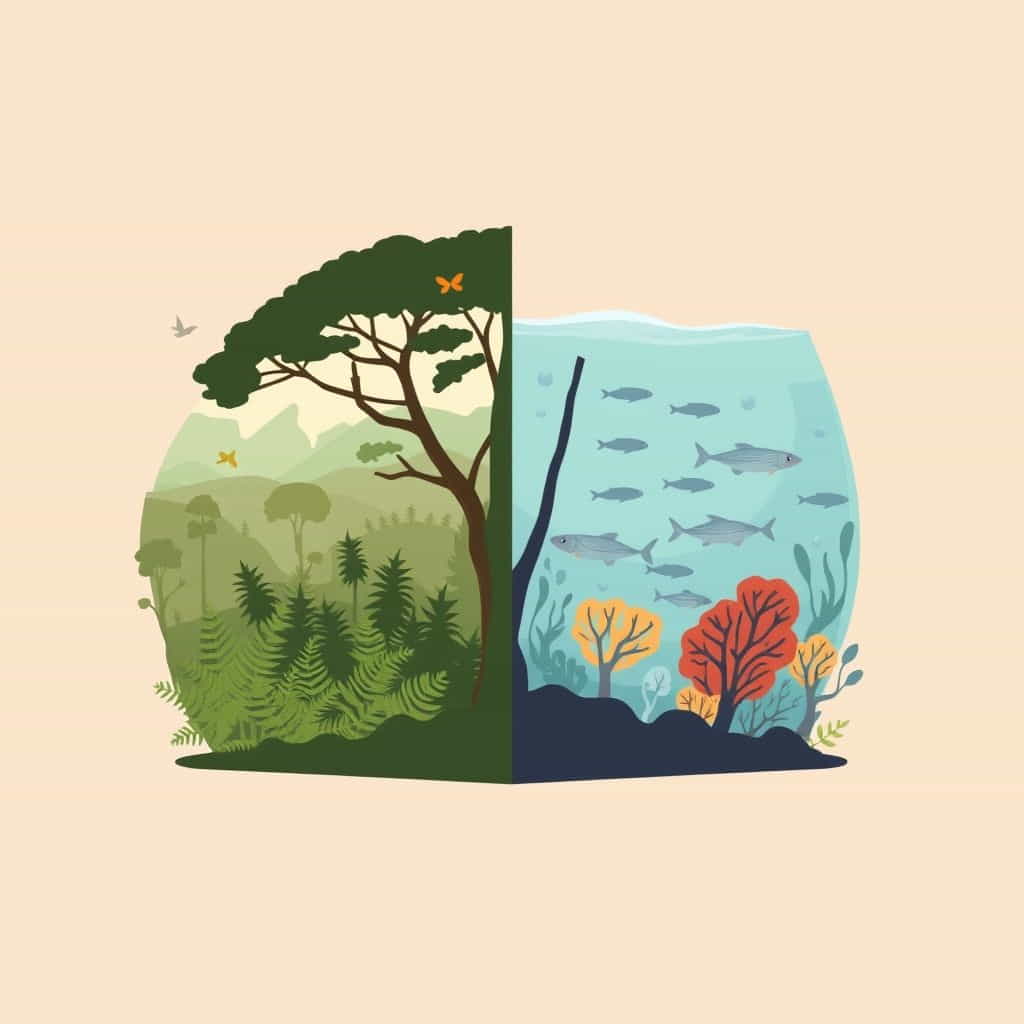
Carboniferous Period vs Devonian Period Key Differences in Earth’s Ancient HistoryThe history of our planet spans billions of years, divided into various geological periods that mark significant changes in climate, life, and landscapes. Among these, the Carboniferous Period and the Devonian Period stand out for their unique contributions to the development of life on Earth. This topic explores the key differences between these two periods, examining their climate, biodiversity, geological changes, and major evolutionary events.
Introduction to the Geological Time Scale
Earth’s timeline is divided into eons, eras, periods, epochs, and ages. The Paleozoic Era includes both the Devonian Period and the Carboniferous Period, and it spans a time when life on Earth was transitioning from water to land. Understanding these periods provides insights into how modern ecosystems evolved.
Overview of the Devonian Period
Timeframe About 419 to 359 million years ago Nickname The Age of Fishes
The Devonian Period is known for an explosion in marine biodiversity. During this time, jawed and bony fishes flourished in oceans and freshwater environments. It also marked the rise of the first forests and early land-dwelling vertebrates.
Key Features of the Devonian Period
-
Marine Life Dominance Coral reefs expanded, and armored fishes like placoderms were abundant.
-
First Tetrapods Lobe-finned fishes evolved into tetrapods, the first vertebrates to move onto land.
-
Plant Evolution Vascular plants like ferns and seed-bearing plants appeared, forming early forests.
-
Climate Generally warm and stable, though the period ended with a minor extinction event.
Overview of the Carboniferous Period
Timeframe About 359 to 299 million years ago Nickname The Age of Coal
The Carboniferous Period is divided into two epochs Mississippian (early) and Pennsylvanian (late). This period saw widespread swampy forests that laid down the vast coal beds we mine today. It also marked major steps in the evolution of reptiles and insects.
Key Features of the Carboniferous Period
-
Coal Forests Dense tropical forests with giant ferns, club mosses, and horsetails thrived in lowland areas.
-
High Oxygen Levels Atmospheric oxygen reached up to 35%, supporting oversized insects like dragonflies with wingspans over two feet.
-
First Reptiles Amniotes emerged, laying eggs with protective shells that allowed reproduction away from water.
-
Climate Humid and tropical during the Mississippian, later shifting to cooler and drier conditions in the Pennsylvanian epoch.
Major Differences Between the Devonian and Carboniferous Periods
1. Dominant Life Forms
-
Devonian Dominated by marine life, especially jawed fishes. Land colonization was in its early stages.
-
Carboniferous Terrestrial ecosystems flourished. Forests, insects, amphibians, and reptiles dominated the landscape.
2. Plant Life
-
Devonian Early vascular plants began to spread, forming primitive forests.
-
Carboniferous Fully developed forests emerged, contributing to high oxygen levels and extensive coal formation.
3. Animal Evolution
-
Devonian Marked by the appearance of early tetrapods and diversification of fish.
-
Carboniferous Witnessed the evolution of amniotes (early reptiles), as well as large amphibians and insects.
4. Environmental Conditions
-
Devonian Warm and relatively stable climate, with high sea levels and shallow inland seas.
-
Carboniferous Began with tropical, humid conditions, then transitioned to glaciation toward the end of the period.
Importance of the Devonian Period in Evolution
The Devonian Period was a turning point in evolutionary history. The transition from aquatic to terrestrial life started here, setting the stage for future vertebrates. Fish developed limbs, lungs, and other adaptations needed for life on land. The spread of plants also created new habitats and changed the Earth’s atmosphere by increasing oxygen through photosynthesis.
Significance of the Carboniferous Period in Earth’s Development
The Carboniferous Period laid down the coal deposits that fueled the Industrial Revolution millions of years later. The rise of amniotic eggs was a crucial step in vertebrate evolution, allowing animals to reproduce without returning to water. The vast forests captured carbon dioxide and contributed to a long-term cooling of the Earth’s climate.
Extinction Events and Geological Changes
-
End-Devonian Extinction A series of extinction pulses affected marine life, particularly reef builders and jawless fish.
-
Late Carboniferous Glaciation Global cooling and ice formation at the poles marked the end of the Carboniferous, reshaping ecosystems and setting the stage for the Permian Period.
Fossil Records and Scientific Insights
Fossils from the Devonian and Carboniferous periods are crucial to understanding Earth’s biological history. Devonian rock layers contain fossilized corals, trilobites, and early land plants, while Carboniferous layers are rich with plant imprints, giant insect fossils, and amphibian bones. These records offer clues about evolutionary processes, climate shifts, and environmental interactions.
Human Interest and Industrial Impact
The Carboniferous Period has had a direct impact on modern civilization through its coal deposits. Bituminous coal, largely formed during this time, remains an important though controversial energy source. The Devonian, while less economically significant, is valuable for its role in the early development of land ecosystems.
Summary Table Devonian vs Carboniferous
| Feature | Devonian Period | Carboniferous Period |
|---|---|---|
| Timeframe | 419-359 million years ago | 359-299 million years ago |
| Main Life Forms | Fish, early tetrapods | Amphibians, reptiles, insects |
| Plant Evolution | First forests | Dense coal forests |
| Climate | Warm, stable | Humid to glacial |
| Major Geological Feature | Reef building, land colonization | Coal formation, swamp forests |
| Evolutionary Milestone | Tetrapod limbs | Amniotic egg |
The Carboniferous and Devonian periods each represent pivotal moments in Earth’s natural history. While the Devonian set the groundwork for life on land, the Carboniferous advanced it with thriving forests, large land animals, and significant atmospheric changes. Their differences highlight the gradual but profound transformations that have shaped our planet over hundreds of millions of years. By studying these ancient eras, we gain a clearer understanding of evolution, climate, and the intricate web of life that continues to evolve today.