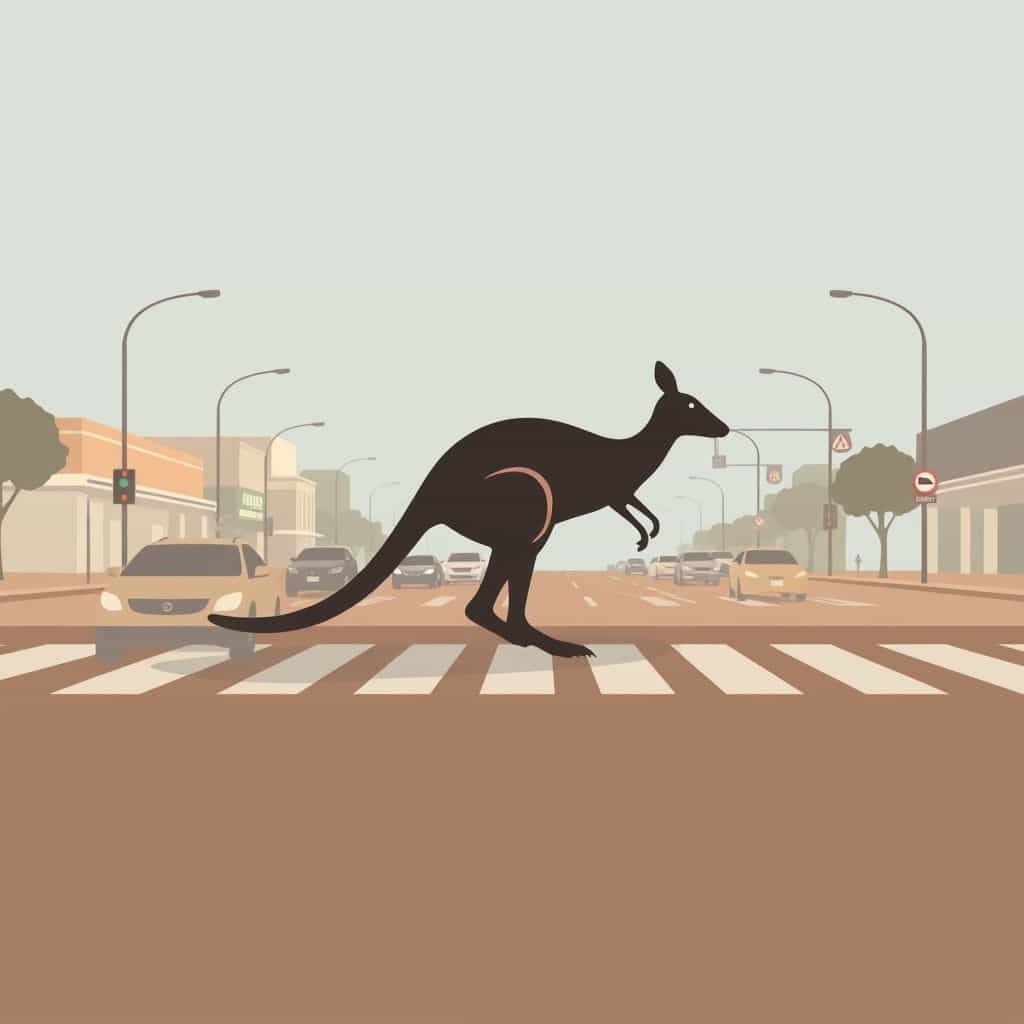
Can You Jaywalk in Australia? Understanding Pedestrian Laws and FinesJaywalking, the act of crossing a street outside of a designated crosswalk or against traffic signals, is a behavior that many people might engage in when they’re in a rush or when traffic appears light. However, it’s important to note that jaywalking is not always legal, and the rules vary from country to country. In Australia, the rules around pedestrian behavior, including jaywalking, are clearly defined and enforced.
This topic will explore whether you can jaywalk in Australia, the laws surrounding pedestrian crossings, the potential fines, and the reasons why following these laws is crucial for everyone’s safety.
What Is Jaywalking?
Jaywalking refers to crossing a street at any point other than a designated pedestrian crossing or failing to adhere to traffic signals. While the term jaywalking originates from the United States, it is used widely in many English-speaking countries, including Australia.
In some countries, jaywalking is seen as a minor infraction, while in others, it is strictly enforced. In Australia, jaywalking is generally frowned upon, and laws surrounding pedestrian behavior are enforced to ensure safety.
Jaywalking Laws in Australia
In Australia, each state and territory has its own laws regarding pedestrians and the rules they must follow when crossing roads. While there are slight variations across the country, the general rule is that pedestrians must cross at designated pedestrian crossings or wait for traffic signals if they are available. This helps maintain a safe and orderly flow of traffic and reduces the risk of accidents.
Most of the rules governing pedestrians in Australia are part of the Australian Road Rules, which are nationally recognized guidelines but may be adapted by individual states. According to these rules, pedestrians should always use crosswalks where available and must obey traffic lights when crossing roads. Failing to do so could lead to fines and penalties.
When Is It Illegal to Jaywalk in Australia?
In most cases, jaywalking becomes illegal when pedestrians cross the street outside of a marked pedestrian crossing or against a traffic signal. Here are some common situations where jaywalking could result in penalties
-
Crossing Between Intersections If you’re crossing a street in the middle of a block rather than at an intersection, it is considered jaywalking. This is especially true if there are pedestrian crossings or traffic signals at nearby intersections.
-
Failing to Obey Traffic Lights If there is a pedestrian light at an intersection, you must wait for it to turn green before crossing. Crossing when the pedestrian signal is red is considered jaywalking.
-
Ignoring Marked Crosswalks If you’re crossing the road outside of a marked pedestrian crossing or at an area where there is no designated crossing, you could be fined for jaywalking. This is true even if you think it’s safer to cross in that spot due to less traffic or other factors.
-
Crossing Busy Roads Without Designated Crossings On roads with high traffic or high speed limits, jaywalking can be particularly dangerous. In areas where there are no designated crossings, pedestrians should use caution and always follow traffic signals to ensure their safety.
Penalties for Jaywalking in Australia
Jaywalking is not a criminal offense in Australia, but it can result in fines and penalties if you’re caught violating the pedestrian rules. The amount of the fine varies depending on the state or territory in which the violation occurs.
For example
-
In New South Wales (NSW), pedestrians who jaywalk can face fines of up to AUD 76.
-
In Victoria, the fine for jaywalking is approximately AUD 165 if you’re caught crossing outside of a marked pedestrian crossing.
-
In Queensland, jaywalking fines can range from AUD 44 to AUD 60, depending on the circumstances.
While these fines may seem relatively small, it’s important to remember that they are meant to deter unsafe behavior and ensure the safety of both pedestrians and motorists.
Why Are Jaywalking Laws Important?
The primary reason for enforcing jaywalking laws in Australia is to ensure public safety. Jaywalking increases the likelihood of accidents, as pedestrians may not be visible to drivers or might be crossing busy roads at unpredictable times. Traffic rules and pedestrian laws are in place to minimize these risks and maintain a safe environment for everyone.
Some of the key reasons why jaywalking laws are essential include
-
Safety of Pedestrians Pedestrians who jaywalk are at a higher risk of being involved in accidents with vehicles. By ensuring that pedestrians cross only at designated crossings, the likelihood of accidents can be reduced.
-
Orderly Traffic Flow When pedestrians follow traffic rules, they help maintain an organized and predictable flow of traffic. This not only ensures pedestrian safety but also reduces traffic congestion and the potential for accidents.
-
Minimizing Legal Liability In some cases, pedestrians who jaywalk and are involved in accidents might be partially responsible for the incident. By following the laws, pedestrians can protect themselves from potential legal complications and disputes over fault in an accident.
-
Protecting Vulnerable Road Users In areas with a high volume of foot traffic, such as near schools, shopping centers, or in busy cities, jaywalking can be especially hazardous. Enforcing the rules helps protect not only pedestrians but also cyclists, motorcyclists, and drivers who may be impacted by erratic pedestrian behavior.
Are There Any Exceptions to Jaywalking Laws in Australia?
While the general rules surrounding jaywalking are strict, there are some exceptions in certain circumstances. For example
-
Pedestrian Crossing at Traffic Lights In some cases, pedestrians might be allowed to cross in the middle of the block if there is no other safe option and no traffic is coming.
-
Emergency Situations If you are in an emergency situation, such as rushing someone to the hospital or trying to avoid danger, you may be able to justify your actions if caught jaywalking.
However, these situations are rare, and it’s always best to follow the rules whenever possible.
Conclusion
In Australia, jaywalking is prohibited in most cases, and pedestrians are expected to cross roads only at designated pedestrian crossings and follow traffic signals. While fines for jaywalking vary by state and territory, the importance of following pedestrian laws cannot be overstated. The rules are in place to protect the safety of all road users and maintain order in public spaces.
Whether you’re a local or a visitor, it’s crucial to understand the pedestrian laws in the area where you are traveling to avoid fines and, more importantly, to stay safe. By adhering to the rules, you help reduce the risk of accidents and contribute to safer streets for everyone.