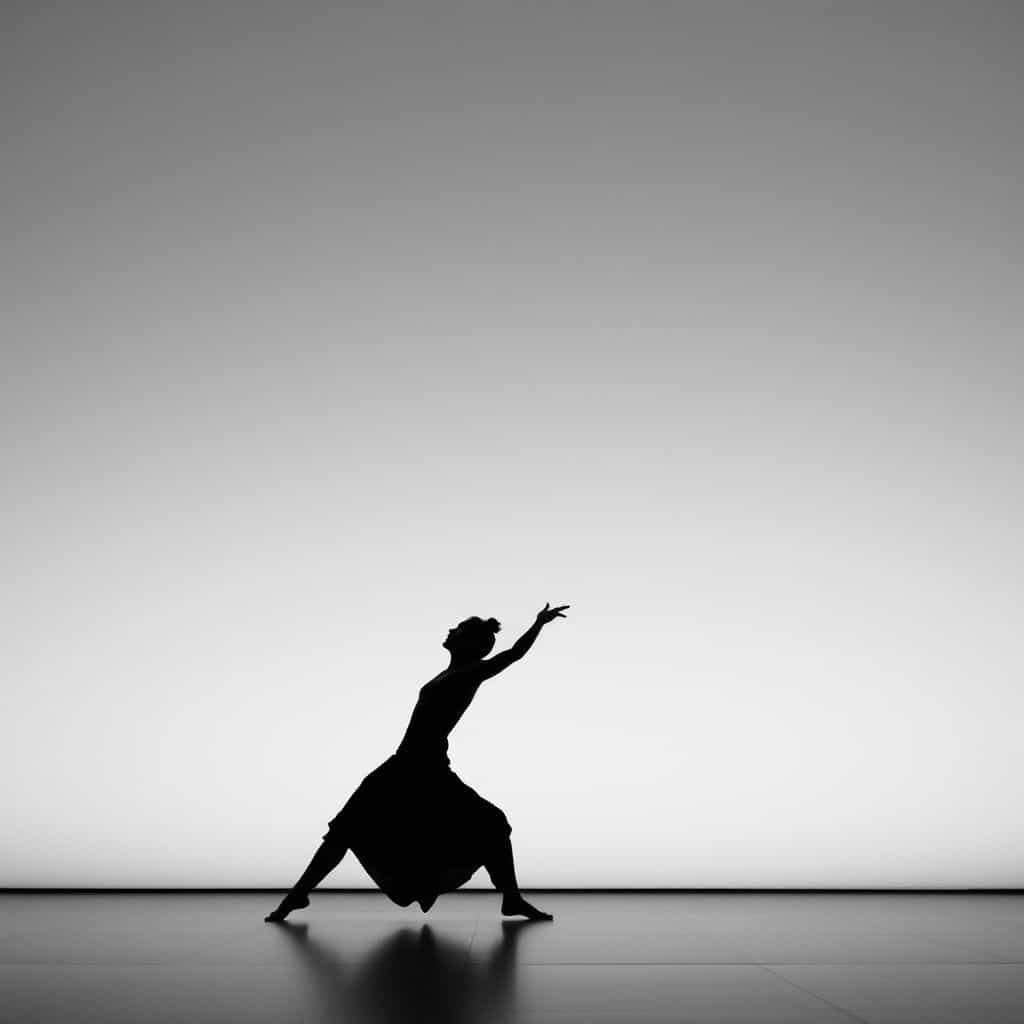
Understanding Akram Khan’s Choreographic Style A Fusion of Tradition and ModernityAkram Khan is one of the most influential contemporary choreographers known for his distinctive blend of traditional and modern dance styles. His choreographic work is a unique representation of his cultural heritage, seamlessly merging classical Indian dance with contemporary movement. In this topic, we will explore the defining features of Akram Khan’s choreographic style, his inspirations, and the impact of his work on the global dance community.
The Roots of Akram Khan’s Choreography
Akram Khan was born in London to Bangladeshi parents, and his early exposure to dance began with Kathak, a classical Indian dance form characterized by intricate footwork, expressive hand gestures, and rapid spins. His training in Kathak provided him with a deep understanding of rhythm, storytelling, and movement precision.
Despite his classical upbringing, Khan was also drawn to contemporary dance, leading him to explore ways to combine these two vastly different styles. This fusion of tradition and modernity became the cornerstone of his choreographic style, allowing him to create works that are both visually captivating and emotionally profound.
Key Elements of Akram Khan’s Choreographic Style
1. Fusion of Kathak and Contemporary Dance
One of the most distinctive elements of Akram Khan’s choreography is the seamless blend of Kathak’s traditional techniques with contemporary dance movements. His pieces often feature the swift, rhythmic footwork of Kathak, paired with the fluid, expansive gestures characteristic of contemporary dance. This combination creates a dynamic and expressive form of storytelling that transcends cultural boundaries.
2. Narrative and Storytelling
Khan is a master storyteller. His choreography is often deeply rooted in narratives that explore themes of identity, migration, conflict, and human connection. His works like Desh and Giselle are prime examples of his ability to convey complex stories through movement alone.
3. Rhythmic Precision and Musicality
Having trained extensively in Kathak, Khan’s choreography showcases exceptional rhythmic precision. He often uses intricate timing and syncopated rhythms to build tension and drive the narrative forward. His understanding of musicality allows him to synchronize movement with sound, enhancing the emotional impact of his performances.
4. Exploration of Space and Movement Dynamics
Khan’s choreography is not confined to the stage. He uses space creatively, allowing dancers to move expansively across different planes and directions. His work often includes powerful bursts of energy followed by moments of stillness, reflecting the ebb and flow of human emotion.
5. Cultural and Philosophical Influences
Many of Khan’s pieces are influenced by his cultural background and personal experiences. His works frequently address themes of displacement, cultural identity, and human connection, drawing from both Eastern philosophies and Western contemporary ideals.
Notable Works of Akram Khan
Akram Khan’s portfolio includes a wide range of productions that have gained international acclaim. Some of his most celebrated works include
1. Desh (2011)
Desh, which means "homeland" in Bengali, is one of Khan’s most autobiographical works. It is a journey through memory and identity, exploring the idea of home and cultural connection. His choreography in Desh is a powerful blend of storytelling, Kathak tradition, and contemporary expression.
2. Giselle (2016)
Khan’s reinterpretation of the classic ballet Giselle was a groundbreaking production that brought fresh life to the narrative. His version focused on themes of migration and social inequality, using his choreographic style to add layers of depth and emotion to the well-known tale.
3. Until the Lions (2016)
Based on The Mahabharata, Until the Lions is a reimagining of an ancient Indian epic through a contemporary lens. Khan’s choreography tells the story of transformation and revenge, using powerful movement to evoke themes of struggle and rebirth.
4. Xenos (2018)
In Xenos, Khan explores the trauma of war and the experience of soldiers in battle. His choreography delves into themes of memory and conflict, blending classical Indian dance with contemporary movements to create a poignant and moving performance.
Akram Khan’s Impact on Contemporary Dance
Akram Khan has reshaped contemporary dance by introducing elements of traditional Kathak into modern choreography. His work not only bridges cultural divides but also expands the possibilities of storytelling through movement. He has inspired many young dancers and choreographers to explore cross-cultural fusion, pushing the boundaries of what dance can express.
Khan’s collaborations with artists from various disciplines, including music, theatre, and visual arts, have further enriched his creative vision. His innovative approach to choreography has made him a leading figure in the global dance community, respected for his artistry and his commitment to cultural representation.
Why Akram Khan’s Choreographic Style Stands Out
The uniqueness of Akram Khan’s style lies in its authenticity and emotional depth. He does not merely imitate traditional dance forms; he redefines them in a contemporary context. His choreography speaks to universal human experiences identity, loss, resilience making it accessible and impactful to audiences around the world.
Furthermore, Khan’s ability to narrate powerful stories through dance allows his work to transcend cultural and linguistic barriers. His performances are visually stunning and emotionally gripping, offering both aesthetic beauty and profound storytelling.
Akram Khan’s choreographic style is a celebration of cultural fusion, artistic innovation, and powerful storytelling. His mastery of both Kathak and contemporary dance enables him to create performances that resonate with audiences globally. Through his work, Khan continues to push the boundaries of dance, proving that tradition and modernity can coexist beautifully on stage. His legacy as a choreographer not only enriches the world of contemporary dance but also bridges cultural divides, reminding us of the shared human experiences that connect us all.