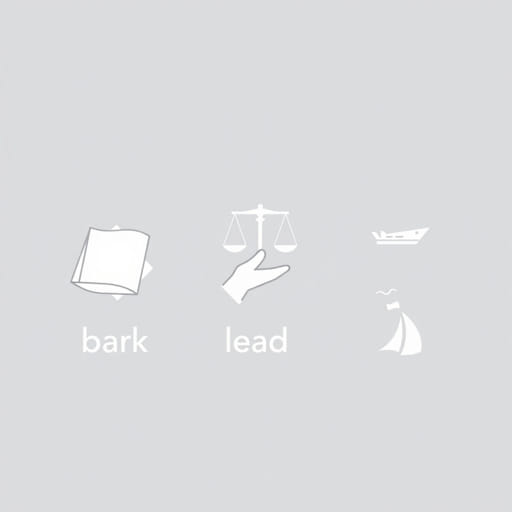
English can be a tricky language, especially when it comes to words that look the same but mean different things. These types of words are known as homographs. They can cause confusion for learners and even for native speakers. Homographs have the same spelling but can have different pronunciations and meanings depending on how they are used in a sentence. Understanding homographs is essential for improving reading comprehension and fluency. In this topic, we will explore three examples of homographs in detail to help clarify how they function in everyday English.
What Are Homographs?
Homographs are words that are spelled the same but differ in meaning, and sometimes in pronunciation. This makes them different from homonyms and homophones, though these terms are often confused. Homographs challenge readers to rely on context to determine the correct meaning and pronunciation of a word.
Key Characteristics of Homographs
- Same spelling
- Different meanings
- May have different pronunciations
Example 1: Lead
Meanings of ‘Lead’
The word lead is a classic homograph with two common meanings and distinct pronunciations:
- Lead (verb): To guide or be in charge. Pronounced /liËd/.
- Lead (noun): A type of metal. Pronounced /lÉd/.
Usage in Sentences
- He willleadthe team to victory.– In this sentence, lead means to guide or direct and is pronounced /liËd/.
- The pipes are made oflead.– Here, lead refers to the heavy metal and is pronounced /lÉd/.
This homograph often appears in both technical and everyday contexts, making it essential to understand the distinction based on sentence structure and meaning.
Example 2: Bow
Meanings of ‘Bow’
The word bow is another homograph that takes on different meanings depending on how it’s pronounced:
- Bow (noun): A weapon for shooting arrows or a curved decoration. Pronounced /boÊ/.
- Bow (verb): To bend the body as a sign of respect. Pronounced /baÊ/.
Usage in Sentences
- He tied a redbowon the gift box.– This refers to the ribbon, pronounced /boÊ/.
- After the performance, she gave a deepbow.– This indicates the respectful gesture, pronounced /baÊ/.
Context and sentence structure are crucial to determining which bow is being used. Despite the identical spelling, the two pronunciations change the meaning entirely.
Example 3: Tear
Meanings of ‘Tear’
Tear provides another excellent example of how a single spelling can serve two entirely different purposes in language:
- Tear (noun): A drop of liquid that comes from the eye. Pronounced /tɪÉr/.
- Tear (verb): To rip or split something apart. Pronounced /tÉÉr/.
Usage in Sentences
- A singletearrolled down her cheek.– This means the droplet from the eye, pronounced /tɪÉr/.
- Be careful not totearthe paper.– Here, it means to rip, pronounced /tÉÉr/.
This homograph is often encountered in emotional or physical descriptions, and it relies heavily on pronunciation to determine meaning.
Why Understanding Homographs Matters
Clarity in Communication
Using homographs correctly ensures that your message is understood clearly by others. When writing, readers must depend on the sentence structure and surrounding context to interpret the intended meaning of a homograph.
Improved Reading Skills
Familiarity with homographs enhances reading fluency and comprehension. When a reader knows that tear can mean both an emotional expression and an act of ripping, they can navigate texts more accurately and efficiently.
Better Pronunciation and Listening
Since many homographs have multiple pronunciations, recognizing them helps in speaking clearly and understanding spoken English. This is especially useful in conversation, presentations, or listening exercises.
Common Challenges with Homographs
Confusing for ESL Learners
Homographs can be particularly difficult for English as a Second Language learners because of the nuanced differences in pronunciation and meaning. These learners must develop strong contextual reading and listening skills to master homographs.
Errors in Speech or Writing
Without proper understanding, homographs can lead to mispronunciations or incorrect word choices in writing. It’s easy to confuse the meanings if the context isn’t clear, which can make sentences awkward or incorrect.
Tips for Learning Homographs
- Use a Dictionary: Many dictionaries indicate pronunciation and provide multiple definitions for homographs.
- Practice in Context: Create sentences using both meanings of a homograph to better understand the differences.
- Listen and Repeat: Pay attention to spoken English in videos, audiobooks, or conversations to learn the correct pronunciation.
- Read Aloud: Practicing aloud can help reinforce correct pronunciation and usage.
Additional Examples to Explore
While this topic highlights three primary examples, here are a few more homographs you might encounter:
- Row: A line of things or to argue.
- Wind: Moving air or to twist something.
- Bass: A type of fish or low vocal tone.
- Object: A thing or to express opposition.
- Minute: A unit of time or very small.
Homographs are a fascinating part of the English language, revealing just how flexible and rich the vocabulary can be. Words like lead, bow, and tear serve multiple functions depending on pronunciation and context. Learning to recognize and use homographs effectively helps improve writing, speaking, and overall comprehension. By practicing their usage and paying attention to context clues, anyone can master these tricky but useful words. Whether you’re a language enthusiast or someone working to improve English skills, understanding homographs is an essential step toward fluency and confidence in communication.