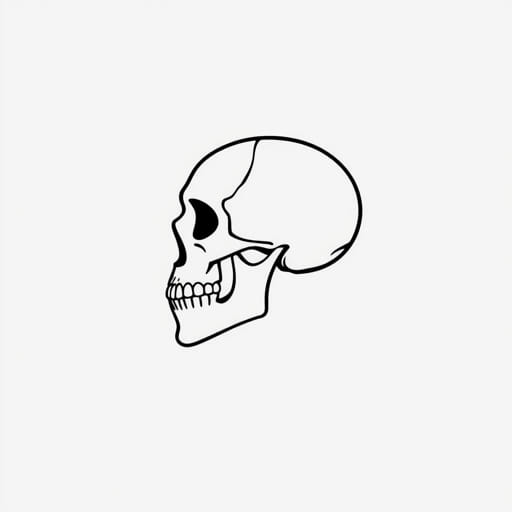
The term prognathous might sound unfamiliar to many, but it describes a specific anatomical condition that plays a significant role in various fields such as anthropology, dentistry, zoology, and human anatomy. This term refers to a situation where the jaw, especially the lower jaw (mandible) or upper jaw (maxilla), projects outward more than normal. The condition can be seen in both humans and animals, and it carries different implications depending on the context in which it is used. Understanding the meaning of prognathous helps us better appreciate the complexity of facial structures and the factors that contribute to their development across species and cultures.
Definition of Prognathous
Prognathous is an adjective used to describe the condition of having a protruding jaw or jaws. The word originates from Greek, where pro means forward and gnathos means jaw. In simple terms, a prognathous individual has a facial profile where the jaws extend outward beyond the plane of the forehead or face.
In medical or anatomical terms, prognathism is the noun form, and it refers to the actual condition. When someone is described as prognathous, it means they exhibit this physical trait. The condition may affect the upper jaw, the lower jaw, or both, and it is sometimes categorized accordingly.
Types of Prognathism
There are different types of prognathism based on which part of the jaw is affected. Each type has distinct characteristics and causes. Understanding these distinctions is important for diagnosing and treating related issues.
1. Maxillary Prognathism
This occurs when the upper jaw (maxilla) extends further forward than usual. Individuals with maxillary prognathism often have an overbite, where the upper teeth project significantly over the lower teeth.
2. Mandibular Prognathism
In this case, the lower jaw (mandible) protrudes forward. It often results in an underbite, where the lower teeth extend in front of the upper teeth when the mouth is closed.
3. Bimaxillary Prognathism
This form involves both the upper and lower jaws protruding. The entire lower face appears pushed forward, affecting the overall facial profile.
Causes of Prognathism
The prognathous condition can be caused by various factors, including genetics, environmental influences, and medical conditions. Below are some of the common reasons why prognathism may develop:
- Genetic inheritance: Facial structure and jaw alignment are often inherited from parents. If one or both parents are prognathous, there is a higher chance the child will also display this trait.
- Ethnic and racial traits: Certain populations and ethnic groups are more likely to have prognathous facial structures due to evolutionary adaptation and genetic traits.
- Developmental conditions: Disorders like acromegaly, gigantism, or Crouzon syndrome can cause abnormal growth of facial bones, leading to prognathism.
- Habits in early childhood: Thumb sucking, prolonged pacifier use, or mouth breathing in early development can contribute to jaw misalignment.
- Trauma or injury: Injuries that affect jaw growth can lead to asymmetrical or forward-projecting jaws during the healing process.
Prognathous Features in Anthropology and Evolution
In anthropology, the study of prognathism plays an important role in tracing human evolution. Early human ancestors like Australopithecus and Homo erectus often had prognathous features. These jaw structures were likely adaptations related to diet, chewing ability, and environmental factors.
Prognathism is commonly observed in non-human primates such as chimpanzees, gorillas, and baboons. Their pronounced jaw structures assist in processing tough plant material and for displaying social dominance. Comparing the prognathous traits of primates and early humans helps researchers understand how facial structure has evolved over time to support speech, tool use, and changes in diet.
Prognathism in Modern Dentistry and Orthodontics
In modern clinical settings, prognathism is considered when diagnosing bite problems and planning orthodontic treatment. A prognathous jaw can cause both aesthetic concerns and functional issues such as difficulty chewing, speaking, or breathing properly.
Diagnosis and Assessment
Dentists and orthodontists use X-rays, facial analysis, and dental impressions to assess the severity of jaw protrusion. Measurements are compared with normal anatomical ranges to determine whether treatment is needed.
Treatment Options
Treatment for a prognathous condition depends on its severity and cause. Some common approaches include:
- Braces or orthodontic appliances: These help guide teeth and jaw alignment over time.
- Jaw surgery (orthognathic surgery): In severe cases, surgical intervention may be required to reposition the jaw bones.
- Growth modification: In children and adolescents, appliances can be used to direct jaw development during growth stages.
Addressing prognathous features early can improve facial balance and prevent more serious complications later in life.
Prognathous Appearance in Animals
The term prognathous is also used in zoology to describe animals with projecting jaws. Insects, reptiles, and mammals may exhibit this trait. It often relates to their feeding habits or the structure of their skulls.
Examples in the Animal Kingdom
- Insects: Some beetles are described as prognathous due to their forward-facing mouthparts adapted for biting.
- Fish: Certain fish species have jaws that extend forward, allowing them to catch prey more effectively.
- Dogs: Breeds like bulldogs have a naturally prognathous lower jaw, creating a distinct facial profile.
In these cases, prognathism is a natural part of the animal’s anatomy and serves specific biological functions.
Social and Cultural Perceptions
Facial appearance can have a strong impact on how individuals are perceived by others. A prognathous jaw may be seen as distinctive or even attractive in some cultures, while in others, it may be considered a feature in need of correction.
Beauty standards vary across societies, and what one culture views as a flaw may be embraced or even celebrated in another. For this reason, decisions about correcting prognathous traits often involve not just medical or functional considerations, but also personal and cultural preferences.
Understanding the meaning of prognathous gives insight into the complexity of facial anatomy, evolutionary biology, and dental health. Whether observed in humans, animals, or fossil remains, a prognathous jaw reveals important information about development, adaptation, and function. While it may present challenges in certain cases, it is also a natural and often inherited part of human and animal variation. Appreciating these differences enhances our understanding of the diverse forms that life and especially the human face can take.