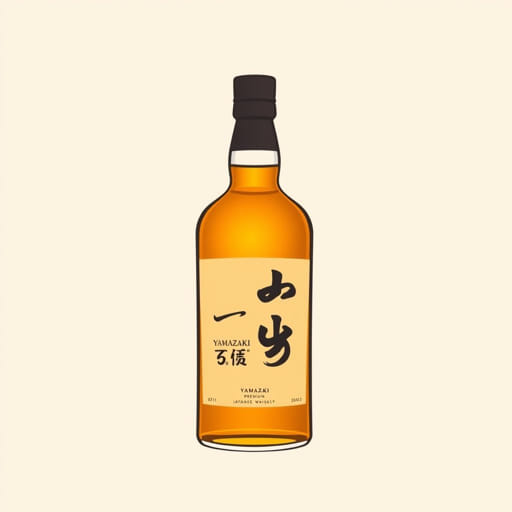
Yamazaki Single Malt Whisky is one of the most celebrated Japanese whiskies in the world, known for its refined taste, delicate complexity, and rich heritage. Crafted with care by the Suntory distillery, it represents the pinnacle of Japanese whisky making. From connoisseurs to casual sippers, Yamazaki’s reputation continues to grow globally. What sets it apart is the harmony between tradition and innovation, drawing on centuries of Japanese craftsmanship while adapting the techniques of Scottish whisky making. This topic explores the history, production, tasting notes, and variations of Yamazaki Single Malt Whisky in detail.
The Origins of Yamazaki Whisky
Birth of Japanese Whisky
The story of Yamazaki begins in 1923 when Shinjiro Torii, the founder of Suntory, established the first malt whisky distillery in Japan. He chose Yamazaki, located on the outskirts of Kyoto, for its perfect climate and pure water source. Inspired by Scottish distilling methods, Torii created a uniquely Japanese version of single malt whisky one that embraces subtlety, precision, and nature.
Location and Climate
Yamazaki’s distillery sits at the convergence of three rivers: Katsura, Uji, and Kizu. This humid, misty environment is ideal for aging whisky. The surrounding bamboo forests and seasonal changes contribute to the complex flavor profile that defines Yamazaki Single Malt Whisky. The region’s soft water also plays a vital role in the smooth character of the spirit.
Production Process
Ingredients
Yamazaki Single Malt Whisky is made from carefully selected malted barley, pure spring water, and a special strain of yeast developed by Suntory. Every ingredient is chosen for quality and harmony with the final flavor profile.
Distillation
One of the unique aspects of the Yamazaki distillery is its use of multiple types of stills, allowing for a wide variety of whisky styles. The different shapes and sizes of pot stills contribute to the complexity of the whiskies produced. The distillation process is slow and controlled, emphasizing quality over speed.
Maturation
Yamazaki whisky is aged in a mix of cask types, including:
- American oak (ex-bourbon barrels) – for vanilla and coconut notes
- Spanish oak (ex-sherry casks) – for dried fruit and spice tones
- Mizunara oak – a rare Japanese wood that adds sandalwood, incense, and herbal notes
Each cask adds a layer of flavor, and the master blender skillfully combines them to create a balanced expression.
Tasting Notes and Flavor Profile
Yamazaki 12 Year Old
Perhaps the most famous variant, Yamazaki 12 Year Old offers an approachable yet elegant experience. The nose presents aromas of peach, pineapple, and clove. The palate brings honey, cinnamon, and orange peel. It finishes long and smooth with a gentle oak influence.
Yamazaki 18 Year Old
This older expression is more intense and layered. Expect rich notes of dark chocolate, dried fruit, coffee, and incense. The aging in sherry and Mizunara casks becomes more evident, with a velvety finish and lingering spice.
Yamazaki 25 Year Old
Regarded as a luxury item, the 25 Year Old is deep, mature, and rare. The complexity here is unmatched, with flavors ranging from aged wood and leather to plum, blackberry, and dark cocoa. It’s a collector’s item and a trophy for whisky lovers worldwide.
Why Yamazaki is So Popular
Japanese Craftsmanship
Yamazaki represents more than whisky; it reflects Japanese values of precision, patience, and respect for nature. Every bottle is a product of meticulous blending and time-honored techniques. This philosophy of craftsmanship has earned Yamazaki international acclaim.
Global Recognition
Yamazaki whiskies have won numerous international awards. In 2015, Yamazaki Single Malt Sherry Cask 2013 was named the world’s best whisky by the ‘Whisky Bible,’ which significantly boosted global interest. Since then, collectors and enthusiasts have kept a close eye on Yamazaki releases.
Limited Availability
Due to high demand and long aging processes, Yamazaki bottles especially aged ones can be difficult to find. This rarity adds to their desirability and value. Many collectors purchase Yamazaki as an investment, while others enjoy the challenge of acquiring each edition.
Different Yamazaki Variants
Core Range
- Yamazaki Distiller’s Reserve – lighter and fruitier, perfect for beginners
- Yamazaki 12 Year – balanced and well-rounded, ideal for intermediate whisky drinkers
- Yamazaki 18 Year – rich and complex, suited for seasoned enthusiasts
Limited Editions
- Yamazaki 25 Year – extremely rare and expensive
- Yamazaki Limited Edition Series – released in small batches with varying flavor profiles
- Yamazaki Mizunara Edition – highlights the influence of Japanese oak
How to Enjoy Yamazaki Single Malt
Serving Suggestions
Yamazaki can be enjoyed in several ways:
- Neat – to fully appreciate its aroma and flavor
- With water – a few drops open up new notes
- On the rocks – a popular method in Japan
- As a highball – mixed with soda water for a refreshing drink
Food Pairings
Yamazaki pairs well with various foods:
- Cheese – especially aged cheddar or blue cheese
- Chocolate – dark varieties enhance the whisky’s richness
- Sushi – the delicate flavors match well with the whisky’s finesse
Collecting and Storing Yamazaki
Storage Tips
To preserve the quality of your Yamazaki whisky:
- Store upright to prevent cork damage
- Keep away from direct sunlight
- Maintain a stable, cool temperature
Collectibility and Investment
Yamazaki’s limited production and reputation make it a favorite among collectors. Some editions, like the Yamazaki 50 Year, have sold for tens of thousands of dollars at auction. If you plan to collect, keep the bottle and packaging in pristine condition.
Yamazaki Single Malt Whisky is more than just a drink it’s a cultural icon. From its deep roots in Japanese tradition to its international recognition, Yamazaki represents excellence in every drop. Whether you’re a beginner exploring the world of whisky or a seasoned connoisseur looking for refinement, Yamazaki offers an experience unlike any other. As global interest continues to rise, Yamazaki remains a shining example of what makes Japanese whisky exceptional.