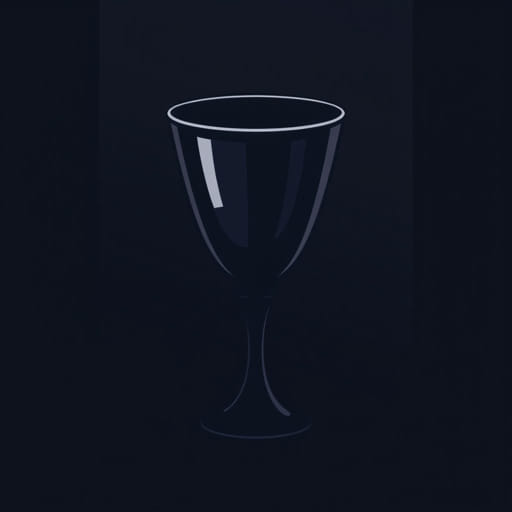
In the haunting world of Vampire: The Masquerade, every object carries weight, meaning, and mystery. One such intriguing item is the Squashed Odious Chalice a strange artifact that sparks curiosity and speculation among players and fans of the series. Deeply tied to the themes of blood, corruption, and dark desire, this item holds more than just a strange name. To fully understand the Squashed Odious Chalice, it’s essential to explore its lore implications, potential uses, and how it ties into the broader setting of Vampire: The Masquerade. Whether you’re exploring tabletop roleplaying elements or venturing into video game adaptations, this item is worth deeper consideration.
The Nature of the Squashed Odious Chalice
The Squashed Odious Chalice is not just another decorative item in the world of Vampire: The Masquerade. This object is typically interpreted as a corrupted vessel of blood, either once sacred or now defiled. In various adaptations of the franchise, including games like ‘Vampire: The Masquerade – Bloodlines,’ chalices often represent power, hunger, and the blurred lines between necessity and obsession.
The word ‘squashed’ adds to its disturbing aesthetic, suggesting the chalice is not pristine or regal but crushed, perhaps malformed from violence or decay. ‘Odious’ implies something revolting an object so vile that even Kindred, who feed on blood, may feel unease in its presence. But in a world where blood is power and power is everything, even the most revolting items can hold immense value.
A Symbol of Corruption
Within the lore of Vampire: The Masquerade, blood is not just sustenance it’s a currency of power, lineage, and loyalty. The Squashed Odious Chalice may have once belonged to a powerful vampire clan, only to become tainted through dark rituals, betrayal, or excessive feeding. The chalice could serve as a metaphor for how beauty and sanctity are inevitably crushed by eternal hunger and political intrigue within Kindred society.
Gameplay Interpretation and Uses
Depending on the version of Vampire: The Masquerade being played whether tabletop or digital items like the Squashed Odious Chalice may have varying roles. In video games, it might be a quest item, a collectible, or a utility item that interacts with your character’s powers or stats. In tabletop sessions, it might function as a magical artifact, a cursed object, or a vital component in a broader narrative arc.
Potential Abilities or Effects
- Blood Reserve: The chalice could act as a secondary blood pool, allowing players to store or draw vitae during crucial moments.
- Corruption Aura: Any vampire who drinks from the chalice may receive temporary boosts at the cost of humanity or morality.
- Vision Trigger: Handling or consuming blood from the chalice might trigger supernatural visions, revealing hidden truths or ancient memories.
- Cursed Affliction: The chalice might afflict the user with a lingering curse, weakening their resistance to Frenzy or other blood-related effects.
These effects, of course, are up to the storyteller’s discretion in tabletop campaigns or predefined within the mechanics of a video game. Still, they serve to highlight the thematic weight the chalice carries within the dark universe of Vampire: The Masquerade.
Lore Connections and Possible Origins
The origin of the Squashed Odious Chalice is likely shrouded in mystery, and its backstory could vary depending on the storyteller or developer. However, some logical theories can be proposed by examining known elements of the setting.
Clan Tzimisce and Bloodcraft
One of the most likely candidates for crafting such a vile item would be Clan Tzimisce, known for their mastery of Fleshcrafting and obsession with bodily transformation. This clan delights in grotesque aesthetics and could have easily created a chalice made of bone, sinew, and blood vessels an actual living container of vitae. In their hands, the Squashed Odious Chalice could serve ritualistic purposes or be used to test the worth of neonates and acolytes.
The Sabbat Connection
Another possibility is a link to the Sabbat, the sect of vampires who reject the Camarilla’s structure and embrace their monstrous nature. The Sabbat view humanity as a weakness, and their rituals often involve grotesque displays of dominance and suffering. A chalice like this could have played a role in Vaulderie ritual blood-sharing meant to reinforce loyalty within the sect. Over time, the chalice may have absorbed the essence and corruption of countless violent rituals, giving it its odious reputation.
Ancient Artifact of Lost Kindred
Some stories might attribute the chalice’s origin to a forgotten Methuselah a vampire of such ancient power that their mere memory causes fear. In this version, the chalice is a remnant of an age-old dynasty, crushed during a rebellion or stolen from a desecrated tomb. The blood remaining in its basin could still whisper secrets of an era long gone.
Thematic Role in Storytelling
In Vampire: The Masquerade, symbolism is everything. Storytellers and players alike can use the Squashed Odious Chalice to add depth to a narrative, reflecting the inner decay of a character or the corruption of a city’s vampire society.
As a Plot Catalyst
The chalice might appear in a campaign as a seemingly minor item, only to become central to a major conflict between factions. Perhaps it contains a drop of Antediluvian blood, or perhaps drinking from it allows a character to gain insight into the plans of a rival clan. The possibilities are endless.
Moral Dilemma for Players
Many Vampire: The Masquerade campaigns are built around personal horror. A character might be tempted to drink from the chalice to gain power but at the cost of their own humanity or soul. Does the player take the risk, knowing that it could lead to irreversible change? Or do they destroy the chalice, ending its influence once and for all?
Speculative In-Game Encounter
Imagine the following scenario in a game session: A group of Kindred investigates the remains of an abandoned Sabbat haven. They find ritual markings on the walls, clawed symbols carved into stone, and blood-slick floors. At the center, beneath rotting candles and dried gore, lies the Squashed Odious Chalice. As one vampire lifts it, a vision floods their mind centuries of screams, rituals, and the monstrous power of an ancient blood god. Now they must decide: hide it, use it, or destroy it.
This kind of encounter not only reinforces the horror elements of the game but allows for rich character development, faction intrigue, and player-driven decisions.
The Squashed Odious Chalice is more than just a strange name in the vast lore of Vampire: The Masquerade. It is an artifact ripe with narrative potential, symbolic weight, and mechanical usefulness. Whether it’s a cursed item from the Sabbat, a creation of Clan Tzimisce, or a lost relic from a forgotten era, it has the power to influence characters and stories alike. When used properly, this chalice can drive fear, temptation, and transformation three key pillars of what makes Vampire: The Masquerade a rich and unforgettable storytelling experience.