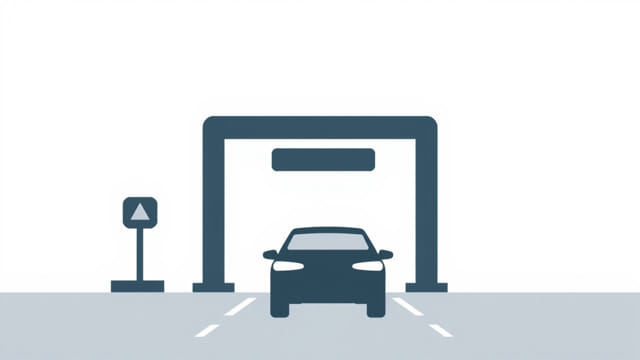
For drivers of commercial trucks, RVs, trailers, and even some large personal vehicles, finding a reliable vehicle weigh station near you is not just about convenience it’s often a legal requirement. These stations are essential for ensuring that vehicles comply with weight limits, which in turn helps maintain road safety, minimize wear on public infrastructure, and improve overall transportation efficiency. Whether you’re planning a cross-country haul, towing a boat, or managing a logistics fleet, understanding how to locate and use a weigh station can save you time, fines, and mechanical issues down the road.
What Is a Vehicle Weigh Station?
Purpose and Function
A vehicle weigh station is a designated checkpoint, usually located along highways or at state borders, where the weight of a vehicle is measured using specialized scales. These stations are primarily intended for commercial trucks, but other oversized or heavy vehicles may also be subject to inspection.
The main purpose of a weigh station is to monitor compliance with maximum weight restrictions and to check for safety regulations. Overloaded vehicles can pose a danger to drivers and passengers while also causing damage to roads and bridges. Regular checks help enforce proper weight distribution and adherence to laws.
Types of Weigh Stations
- Permanent Weigh Stations: Located in fixed roadside buildings, often staffed and open during set hours.
- Portable Weigh Stations: Mobile units that can be set up temporarily, often used for spot checks.
- Weigh-in-Motion Systems: Advanced sensors embedded in the road surface that allow vehicles to be weighed while moving at a low speed.
Why You Might Need a Vehicle Weigh Station
Compliance with Legal Requirements
One of the most important reasons to use a vehicle weigh station is to comply with federal or state weight regulations. Commercial vehicle drivers, in particular, must ensure that their trucks fall within gross vehicle weight (GVW) and axle weight limits. Non-compliance can result in hefty fines, vehicle detainment, or even license suspension.
Safety Concerns
Overloaded or improperly loaded vehicles can experience braking problems, tire blowouts, and reduced maneuverability. Weigh stations help ensure that vehicles are safe to operate, especially over long distances or steep terrain.
Insurance and Documentation
Some insurance policies may require proof of weight verification before coverage becomes active. Additionally, certain loads such as hazardous materials or oversized equipment must have documented weight certifications to move legally across state lines.
How to Find a Vehicle Weigh Station Near Me
Online Maps and Directories
The most common method to locate a weigh station is through GPS-based navigation systems or online map services. Simply searching for vehicle weigh station near me can provide a list of nearby facilities. Many navigation apps used by truckers also include weigh station locations and statuses (open or closed).
Truck-Specific Mobile Apps
Apps designed for commercial drivers such as Trucker Path or Drivewyze offer real-time data about weigh station locations, wait times, and user reviews. These apps are extremely useful for route planning and compliance management.
State Transportation Websites
Most state Department of Transportation (DOT) websites include maps and information on weigh station hours, services, and rules. This can be particularly helpful if you’re driving through multiple states on a long haul.
What to Expect at a Weigh Station
The Process
When approaching a weigh station, you’ll typically see signs instructing commercial vehicles to exit and enter the weigh station. Once inside, you may encounter the following:
- Initial screening for weight using a scale
- Document check (logbooks, registration, permits)
- Safety inspection (brakes, lights, tires, etc.)
- Instructions to proceed or pull over for further inspection
Understanding the Scale Readout
Weigh stations measure both gross vehicle weight and individual axle weight. If any measurement exceeds legal limits, the driver may be required to adjust the load, redistribute weight, or remove cargo. Fines or citations may also be issued on the spot.
Bypassing Weigh Stations
In some cases, vehicles equipped with electronic bypass systems (e.g., PrePass) can skip certain weigh stations if they’re pre-screened and meet compliance standards. However, these systems are typically reserved for large commercial fleets with excellent safety records.
Common Questions About Vehicle Weigh Stations
Do personal vehicles need to stop at weigh stations?
Generally, personal vehicles such as cars and small SUVs are not required to stop at weigh stations. However, if you’re towing a heavy trailer, boat, or RV, you may be subject to inspection depending on local regulations.
Are weigh stations open 24/7?
Not all weigh stations operate around the clock. Some are open only during peak hours or weekdays. Mobile or portable stations may also appear at random times and locations.
What happens if you bypass a weigh station?
Intentionally bypassing a weigh station when you’re required to stop can result in legal consequences, including fines, license suspension, and even vehicle impoundment. Always pay attention to signage and local laws.
Tips for a Smooth Weigh Station Experience
Know Your Vehicle’s Weight
Before hitting the road, make sure you know your vehicle’s empty and loaded weight. This can help you plan better and avoid surprise violations.
Keep Your Paperwork Organized
Having your registration, insurance documents, permits, and any load-related paperwork ready can significantly speed up the inspection process.
Maintain Your Vehicle
Regular vehicle inspections can help avoid unnecessary delays or citations at weigh stations. Check your brakes, lights, tires, and load security before each trip.
Use Weigh Station Bypass Apps
If you qualify, enrolling in bypass programs can help streamline your journey and minimize stops. Just ensure your safety and compliance records meet the required criteria.
Finding a vehicle weigh station near you is more than a matter of logistics it’s an essential step in safe and legal vehicle operation. Whether you’re behind the wheel of a commercial truck or towing a heavy load for personal reasons, knowing where and how to weigh your vehicle is crucial. With a variety of online tools, state resources, and mobile applications, locating a nearby weigh station has never been easier. Keeping your vehicle within legal weight limits helps protect you, other drivers, and the infrastructure we all rely on. Prioritize safety, stay compliant, and make weigh stations a seamless part of your travel routine.