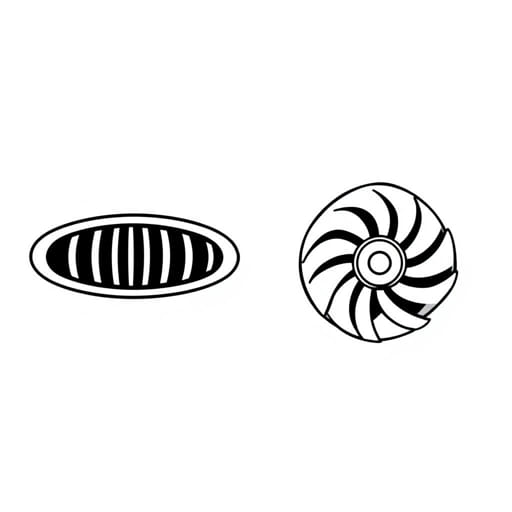
Ventilation is a crucial part of maintaining a healthy and energy-efficient home or building. Whether you’re dealing with hot attic air, moisture accumulation, or stagnant air in your roof space, having the right ventilation system can make a big difference. Two popular options in the market are the turbo vent and the whirlybird. Both aim to improve air circulation and temperature regulation, but they work in different ways and have unique features. If you’re deciding between a turbo vent and a whirlybird, understanding how each functions will help you make an informed choice.
Understanding Roof Ventilation Systems
Before comparing turbo vents and whirlybirds directly, it’s important to understand the purpose of a roof ventilation system. Proper ventilation helps to:
- Reduce heat buildup in the attic
- Prevent moisture damage
- Extend the life of roofing materials
- Improve indoor air quality
- Lower energy bills by reducing the load on HVAC systems
Both turbo vents and whirlybirds serve the same goal, but their operation and effectiveness vary significantly.
What is a Whirlybird?
A whirlybird, also known as a turbine vent, is a mechanical ventilation device that uses wind power to spin its turbine. As the turbine rotates, it draws hot and moist air out of the attic, allowing cooler air to replace it. Whirlybirds have been around for decades and are a common sight on rooftops around the world.
Key Features of Whirlybirds
- Wind-powered – does not require electricity
- Continuous passive ventilation
- Simple design with moving parts
- Effective in windy regions
While whirlybirds are cost-effective and environmentally friendly, their performance is highly dependent on the availability of wind. In calm weather, their ventilation effect may be limited.
What is a Turbo Vent?
A turbo vent, also called a powered roof ventilator, typically runs on electricity or solar power. Unlike whirlybirds, turbo vents do not rely on wind. Instead, they use a motorized fan to actively extract hot air and moisture from the roof space. This provides a more consistent and efficient form of ventilation, particularly in areas with minimal wind flow.
Key Features of Turbo Vents
- Motorized operation – powered by electricity or solar energy
- Efficient and consistent airflow
- Adjustable speeds and airflow rates
- Higher air extraction capacity
Turbo vents can be particularly useful in large homes, warehouses, or buildings with poor natural airflow. However, they do come with added costs for installation and energy consumption.
Turbo Vent vs Whirlybird: Side-by-Side Comparison
1. Power Source
Whirlybirds are powered by wind and do not require electricity, making them energy efficient and environmentally friendly. Turbo vents, on the other hand, require a power source but offer consistent performance regardless of wind conditions.
2. Airflow Efficiency
Turbo vents are generally more powerful when it comes to extracting air. They provide higher airflow rates and are not limited by weather. Whirlybirds offer variable airflow depending on wind strength and may not perform as well in still conditions.
3. Noise and Maintenance
Whirlybirds are usually quiet and require minimal maintenance. However, over time, their moving parts may wear out, especially if exposed to high winds or debris. Turbo vents can produce some noise due to the motor and may need occasional servicing to keep the fan working efficiently.
4. Cost Considerations
Whirlybirds are more affordable upfront and have no ongoing energy costs. Turbo vents are more expensive to purchase and install, and they may increase your electricity bill, unless powered by solar energy. However, their performance might justify the higher cost in the long run.
5. Climate Suitability
In windy regions, whirlybirds can work quite well. But in areas where wind is scarce or inconsistent, turbo vents offer more reliable performance. Hot, humid climates where air needs to be actively extracted may benefit more from turbo vents.
6. Appearance and Installation
Both options are relatively discreet when installed properly. Whirlybirds are often smaller and easier to install without professional help. Turbo vents, especially the powered versions, usually require a more complex installation process involving electrical wiring or solar panel setup.
Which Ventilation System Should You Choose?
The choice between a turbo vent and a whirlybird depends on several factors, including your budget, climate, and ventilation needs. If you live in a region with consistent winds and are looking for a budget-friendly solution, a whirlybird may be sufficient. However, if you require a more powerful and reliable ventilation system, especially in hot or still climates, a turbo vent may be the better investment.
Consider the Following When Making a Decision:
- Your local climate and average wind speed
- The size and structure of your roof space
- Your budget for installation and energy usage
- Maintenance preferences and long-term durability
It’s also possible to combine both systems in some cases. Using whirlybirds for passive ventilation and installing one or two turbo vents for active airflow can create a balanced system that adjusts to different weather conditions.
Turbo vents and whirlybirds both serve important roles in roof ventilation. The key difference lies in how they operate turbo vents use a powered fan for constant airflow, while whirlybirds depend on wind to function. Your choice should reflect the unique conditions of your home and environment. Whether you opt for the quiet simplicity of a whirlybird or the consistent power of a turbo vent, proper ventilation will enhance your indoor comfort, protect your property, and contribute to energy efficiency over time.