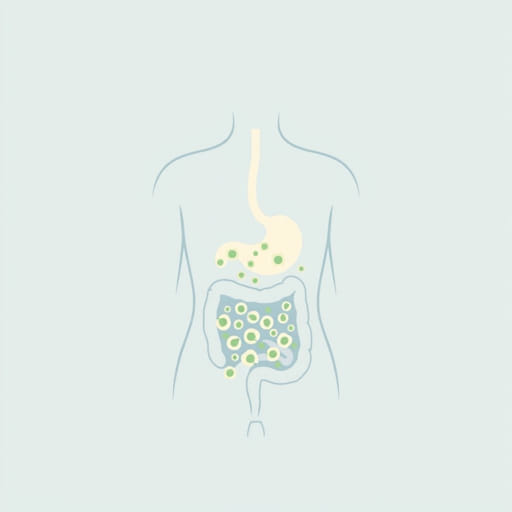
Yeast is a natural part of the human body’s microbial community, particularly within the digestive tract, mouth, skin, and genital areas. Normally, it lives in harmony with other microorganisms without causing harm. However, when the body’s internal balance is disrupted, yeast can grow uncontrollably, leading to a condition known as yeast overgrowth. This overgrowth is most commonly attributed to the Candida species, particularly Candida albicans. The effects of yeast overgrowth can be widespread, affecting various systems in the body, and may present with symptoms that are often vague or misunderstood. Understanding the causes, symptoms, and treatment options of yeast overgrowth in the body is crucial for maintaining good health.
Understanding Yeast Overgrowth
What Is Yeast Overgrowth?
Yeast overgrowth refers to a situation where Candida or another strain of yeast proliferates excessively in the body. While it is normal for small amounts of yeast to be present, an overgrowth can interfere with the body’s normal functioning and trigger a host of symptoms that range from digestive disturbances to skin problems and cognitive issues.
Types of Candida Infections
- Oral thrush: White patches in the mouth and throat.
- Vaginal yeast infections: Itching, discharge, and irritation.
- Skin infections: Red, itchy rashes in moist areas.
- Systemic candidiasis: A serious condition where Candida enters the bloodstream, typically in immunocompromised individuals.
Causes of Yeast Overgrowth
Several internal and external factors may contribute to yeast overgrowth. Often, it is not just one factor but a combination that disrupts the body’s natural microbial balance.
- Overuse of antibiotics: Antibiotics can kill beneficial bacteria, allowing yeast to grow unchecked.
- High sugar diet: Yeast feeds on sugar, so excessive consumption can encourage overgrowth.
- Weakened immune system: People with HIV, cancer, or those on immunosuppressants are more susceptible.
- Hormonal changes: Pregnancy, birth control pills, and hormone replacement therapy can contribute.
- Stress: Chronic stress weakens the immune system and disrupts gut flora.
- Diabetes: Elevated blood sugar levels promote yeast proliferation.
Symptoms of Yeast Overgrowth
The symptoms of yeast overgrowth can vary depending on the area of the body affected and the extent of the infection. Because these symptoms are often non-specific, yeast overgrowth is sometimes misdiagnosed or overlooked entirely.
Common Physical Symptoms
- Chronic fatigue
- Digestive issues such as bloating, gas, or constipation
- Recurring vaginal infections
- Oral thrush or a white-coated tongue
- Skin rashes or fungal infections like athlete’s foot
- Brain fog and difficulty concentrating
- Cravings for sugar and refined carbohydrates
Long-Term Effects
Untreated yeast overgrowth may compromise the immune system and contribute to inflammatory conditions. Some researchers believe it can also lead to leaky gut syndrome, where the intestinal lining becomes permeable and allows toxins into the bloodstream.
Diagnosis and Testing
Diagnosing yeast overgrowth can be challenging due to its wide array of symptoms. However, healthcare providers may use several methods to determine the presence of excessive yeast in the body.
Diagnostic Tools
- Stool analysis to detect Candida in the gut
- Blood tests to check for antibodies or immune responses to Candida
- Urine organic acid tests that measure yeast metabolites
- Swab cultures from affected areas like the mouth or genitals
Treatment of Yeast Overgrowth
Treating yeast overgrowth involves a combination of dietary changes, antifungal medications, and lifestyle adjustments. It’s important to work with a healthcare professional to develop an individualized plan.
Dietary Changes
- Eliminate sugars and refined carbs: These feed yeast and should be avoided.
- Avoid yeast-containing foods: This includes bread, beer, and certain fermented foods.
- Incorporate probiotics: Foods like yogurt, kefir, and fermented vegetables help restore gut flora.
- Increase fiber: Aids in removing waste and yeast from the body.
Antifungal Medications
- Prescription antifungals: Fluconazole or nystatin may be recommended for severe cases.
- Natural antifungals: Caprylic acid, oregano oil, and garlic have antifungal properties.
Probiotics and Gut Health
Restoring the balance of gut bacteria is critical in managing yeast overgrowth. Probiotics can crowd out yeast by competing for space and nutrients in the digestive tract. Look for strains like Lactobacillus acidophilus and Bifidobacterium bifidum for maximum benefit.
Preventing Yeast Overgrowth
Prevention is the best strategy to avoid recurring infections and discomfort. Adopting healthy lifestyle habits can help maintain a balanced internal environment that discourages yeast overgrowth.
Preventive Measures
- Limit sugar and processed food intake
- Use antibiotics only when absolutely necessary
- Support immune function through sleep, exercise, and stress management
- Maintain good hygiene practices, especially in warm and moist body areas
- Take probiotics after antibiotics to restore microbial balance
When to Seek Medical Help
While mild yeast overgrowth may be managed at home through diet and supplements, it’s important to consult a doctor if symptoms persist or worsen. Chronic yeast infections could be a sign of an underlying health condition, such as diabetes or immune dysfunction, that requires medical attention.
Yeast overgrowth in the body can be a subtle yet persistent health issue with symptoms that affect various bodily systems. By understanding its root causes, recognizing the signs, and seeking appropriate treatment, individuals can take effective steps toward restoring balance and well-being. A combination of a low-sugar diet, antifungal treatments, and probiotic support is often the key to success. Prevention, as always, plays a crucial role in maintaining long-term health and reducing the risk of recurring yeast-related issues.