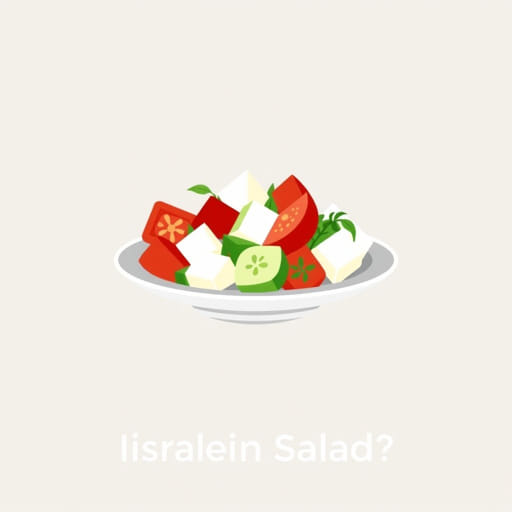
Israeli salad is a refreshing and vibrant dish that plays an essential role in Middle Eastern cuisine. It’s not only colorful and crisp but also deeply connected to the culinary traditions of Israel and its neighboring countries. Unlike salads drenched in heavy dressings, Israeli salad is light, healthy, and built around fresh vegetables chopped into tiny, even pieces. Whether served as a side dish, stuffed into pita, or enjoyed on its own, Israeli salad offers a perfect balance of texture, acidity, and natural flavor that makes it universally appealing.
Origins and Cultural Significance
Israeli salad has its roots in the agricultural lifestyle and diverse food traditions of Israel. It’s believed to have evolved from the Arabic salad or salata, a staple across the Levant, with influences from Jewish immigrants who brought culinary habits from Europe, North Africa, and Asia. In Israel, this salad became especially popular because it made the most of locally available produce, particularly cucumbers and tomatoes.
Over time, Israeli salad became a symbol of the country’s fresh and simple food philosophy. It is commonly served at every meal, including breakfast. It’s also popular in kibbutzim (communal farms), restaurants, and street food stands. For many, this dish represents more than just food it is a reflection of Israel’s diverse cultural landscape and its appreciation for seasonal ingredients.
Main Ingredients of Israeli Salad
The beauty of Israeli salad lies in its simplicity and flexibility. The most traditional version includes just a few key ingredients, finely chopped and lightly dressed to enhance their natural flavor.
Typical Ingredients:
- Tomatoes– Ripe, firm, and juicy tomatoes are essential. Cherry tomatoes or Roma varieties are often used.
- Cucumbers– Persian cucumbers or other small, thin-skinned varieties are ideal. They add crunch and freshness.
- Onions– White or red onions bring a slight sharpness that contrasts nicely with the sweet vegetables.
- Parsley– Adds an herbal brightness and a touch of color.
- Lemon Juice– Provides the acidity needed to bring all the flavors together.
- Olive Oil– A drizzle of high-quality olive oil enhances the texture and rounds out the flavor.
- Salt and Pepper– Basic seasonings that elevate the natural taste of the vegetables.
While these ingredients form the base, many variations include additions like bell peppers, radishes, mint, or even chili for extra heat. However, the essence of Israeli salad remains in the consistent, fine chopping and freshness of the produce.
Preparation Method
One of the defining characteristics of Israeli salad is the way the vegetables are chopped. Everything is cut into small, uniform cubes, which creates a fine texture that allows the flavors to blend evenly with each bite. This uniformity is not only for aesthetics but also helps the salad absorb the dressing more effectively.
How to Make Traditional Israeli Salad:
- Wash and finely dice equal parts cucumber and tomato.
- Chop onions very finely to avoid overwhelming the dish.
- Mince fresh parsley and mix it with the vegetables.
- Squeeze fresh lemon juice over the salad.
- Drizzle with olive oil and season with salt and pepper.
- Toss gently until everything is evenly coated.
Because it uses fresh ingredients, Israeli salad is best prepared just before serving. Letting it sit too long can make it watery as the vegetables release their juices. If needed, you can refrigerate it for a short time, but it’s ideal to serve it fresh and cold.
Israeli Salad as Part of Everyday Meals
Israeli salad is incredibly versatile and can be found in many settings, from breakfast buffets to falafel stands. In Israeli households, it is often served alongside eggs and bread in the morning. At lunch or dinner, it acts as a side dish next to grilled meats, rice dishes, or shakshuka. In street food, it’s a common filler in pita sandwiches, paired with hummus, falafel, shawarma, or schnitzel.
Its adaptability makes it a favorite for health-conscious eaters and vegetarians. Because it’s low in calories and high in fiber, Israeli salad is perfect for those looking to maintain a nutritious diet without sacrificing flavor.
Regional and Modern Variations
While the classic version is the most recognized, there are many ways Israeli salad is adapted based on personal taste or regional preferences. Here are some popular variations:
- Spicy Israeli Salad– Includes chopped green chili or a dash of cayenne pepper for heat.
- Herbed Israeli Salad– Features fresh herbs like mint, cilantro, or dill in addition to parsley.
- Feta Israeli Salad– Adds crumbled feta cheese for a creamy, salty contrast.
- Grain-Added Salad– Includes bulgur, couscous, or quinoa for a heartier meal.
- Avocado Israeli Salad– Introduces creamy avocado chunks for extra richness.
These creative takes maintain the salad’s core identity while introducing new textures and flavors. Chefs around the world have embraced these adaptations, and you may find Israeli salad with seasonal vegetables or exotic dressings in modern restaurants.
Health Benefits of Israeli Salad
Israeli salad isn’t just tasty it’s also packed with nutrients. The raw vegetables provide essential vitamins, minerals, and antioxidants. Here are some of the main health benefits associated with this dish:
- Rich in Vitamin C– Tomatoes and lemon juice boost the immune system and skin health.
- Hydrating– Cucumbers are high in water content, helping to keep the body hydrated.
- High in Fiber– Promotes good digestion and supports heart health.
- Low in Calories– Ideal for weight management without compromising on taste.
- Antioxidants– Help protect the body from oxidative stress and inflammation.
Thanks to its whole-food ingredients and lack of processed components, Israeli salad fits easily into many healthy eating plans, including vegetarian, vegan, gluten-free, and Mediterranean diets.
Tips for Perfect Israeli Salad
While the recipe is simple, a few techniques can take your Israeli salad from good to great:
- Use the freshest vegetables you can find they are the star of the dish.
- Keep the chop size consistent for a pleasant mouthfeel.
- Add lemon juice and salt right before serving to avoid sogginess.
- If using tomatoes with high water content, remove the seeds before dicing.
- Store leftovers in a fine-mesh strainer over a bowl to reduce excess moisture.
Following these small tips can enhance the flavor and texture of your salad dramatically.
Israeli salad is more than just a simple vegetable dish. It represents a connection to the land, culture, and culinary traditions of Israel and its neighboring regions. Built on fresh ingredients and prepared with care, this salad is beloved not just for its flavor but also for its versatility and health benefits. Whether you’re looking to accompany grilled meats, enjoy a light lunch, or add freshness to a hearty pita sandwich, Israeli salad is always a delicious and wholesome choice. Learning how to prepare it at home offers an easy way to bring Mediterranean flavor and vibrant nutrition to your table.