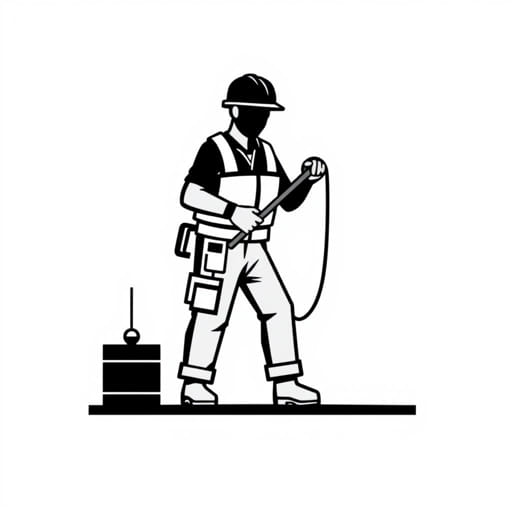
The term roustabout may sound old-fashioned to some, but in the oil and gas industry, it refers to an essential entry-level position that keeps operations running smoothly. Roustabouts work in physically demanding environments, often on oil rigs, construction sites, and maintenance yards. Their duties cover a broad range of manual tasks that support the functioning of drilling operations. From unloading supplies to assembling equipment, their contribution is the backbone of daily activities. Understanding the role of a roustabout can provide insight into the foundation of the energy sector and the hard work required behind the scenes.
Definition and Overview of a Roustabout
Who is a Roustabout?
A roustabout is typically an unskilled or semi-skilled laborer responsible for supporting the operations of oil rigs, offshore platforms, and drilling sites. This job is usually the starting point for many workers in the oil and gas sector. Over time, roustabouts can gain experience and advance to more specialized or supervisory roles.
Working Conditions
Roustabouts often work in challenging environments. Offshore roustabouts might be stationed on rigs for weeks at a time, while onshore workers deal with extreme weather conditions. Physical strength, endurance, and a commitment to safety are essential for this line of work. Shifts may be long, often extending 12 hours or more, depending on the site’s requirements.
Core Duties of a Roustabout
1. Maintaining Equipment and Machinery
Roustabouts are responsible for cleaning, maintaining, and organizing tools and machinery. This includes checking equipment for wear and tear, lubricating moving parts, and reporting any issues to the maintenance crew. Keeping tools in good working condition is vital for the safety and efficiency of drilling operations.
2. Assisting with Setup and Breakdown
During the assembly or disassembly of drilling rigs or other equipment, roustabouts provide the muscle and coordination needed. They handle cables, pipes, and metal parts, ensuring that everything is installed securely and correctly. Their support helps reduce delays during transitions between job sites or projects.
3. Loading and Unloading Materials
One of the most frequent tasks is moving heavy supplies, parts, and materials to and from delivery trucks, boats, or helicopters. Roustabouts use forklifts, cranes, or manual labor to transport items. Proper handling prevents injuries and protects costly equipment.
4. Cleaning and Site Maintenance
Keeping the work site clean and organized is essential to minimize hazards. Roustabouts are expected to mop up spills, clear debris, and remove unused materials. A tidy work environment supports better safety and improved productivity.
5. Supporting Drilling Operations
While roustabouts don’t typically operate drilling equipment directly, they assist drillers and other specialists by providing tools, stabilizing pipes, and managing drilling mud. Their presence on the rig floor ensures that operations continue without unnecessary interruptions.
6. Handling Pipes and Casing
Drilling requires many sections of pipe to be added or removed. Roustabouts help connect and disconnect these components. They also assist in laying down casing, which is used to line the wellbore. This task is physically demanding and requires close attention to safety protocols.
Safety Responsibilities
Adhering to Safety Protocols
Working around heavy machinery, high-pressure systems, and flammable materials requires strict adherence to safety procedures. Roustabouts wear personal protective equipment (PPE), participate in safety drills, and follow guidelines for handling hazardous materials. They play a key role in maintaining a safe job site.
Reporting Hazards
Roustabouts must remain alert to dangers on the job site. If they notice malfunctioning equipment, unsafe practices, or environmental hazards, they are expected to report these issues to supervisors or safety officers promptly. Their vigilance helps prevent accidents and injuries.
Tools and Equipment Used
- Wrenches and spanners
- Forklifts and cranes
- Shovels, brooms, and mops
- Safety harnesses and helmets
- Oil drums and hoses
- Hydraulic jacks and hoists
Roustabouts must be comfortable using both hand tools and mechanical equipment. Proper training is often provided on-site, especially for specialized machines.
Skills Required for the Job
Physical Strength and Stamina
This role is physically intensive. Roustabouts must lift heavy objects, bend and squat repeatedly, and remain on their feet for extended periods. Good physical health is a key requirement.
Teamwork
Roustabouts rarely work alone. They are part of a larger crew that relies on communication and collaboration to stay productive. Effective teamwork ensures tasks are completed safely and efficiently.
Mechanical Aptitude
Although roustabouts are not mechanics, they should understand how tools and equipment function. This knowledge helps them spot problems early and assist technicians when needed.
Willingness to Learn
Many roustabouts eventually move on to become roughnecks, derrickhands, or even drillers. A willingness to learn and follow instructions is essential for career advancement in the industry.
Career Path and Advancement
Opportunities for Growth
While the role of a roustabout is entry-level, it can lead to more specialized positions. By gaining experience and taking additional training, workers can progress to higher-paying and more technical roles. Common career steps include:
- Roughneck: More direct involvement with drilling machinery
- Derrickhand: Responsible for maintaining the derrick and managing fluids
- Driller: Operates the drilling rig and supervises drilling operations
- Toolpusher: Oversees the entire crew and ensures productivity
Certifications and Training
Some positions may require certifications in rig safety, confined space entry, or hazardous materials handling. These can often be earned through short courses or company-sponsored programs.
Understanding the duties of a roustabout reveals just how vital they are to the smooth operation of the oil and gas industry. From handling equipment to maintaining safety, they serve as the foundation upon which more specialized roles are built. While the job demands physical effort and a strong work ethic, it also offers a pathway to long-term career opportunities. For those willing to work hard and learn, becoming a roustabout is a stepping stone into one of the world’s most critical industries.