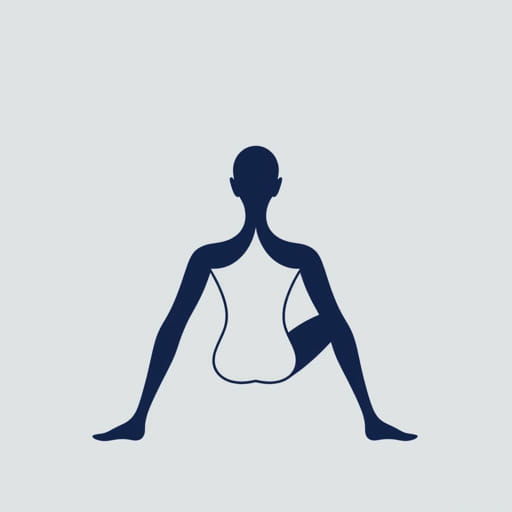
Winged scapula is a condition where the shoulder blade protrudes abnormally from a person’s back, often due to weakness or dysfunction in the muscles that support it especially the serratus anterior. This condition can lead to poor posture, shoulder instability, and even pain during movement. Yoga for winged scapula is a gentle yet powerful approach to strengthening the supporting muscles, improving mobility, and restoring alignment. By practicing targeted yoga poses regularly, individuals can build stability in the shoulder region and gradually correct the imbalanced posture that causes or worsens a winged scapula.
Understanding Winged Scapula and Its Causes
The scapula, or shoulder blade, plays a crucial role in upper body movement and stability. A winged scapula occurs when the medial border of the scapula sticks out from the back rather than lying flat against the rib cage. This abnormal positioning can limit range of motion and reduce shoulder strength.
Common causes of winged scapula include:
- Weakness or paralysis of the serratus anterior muscle
- Nerve damage, particularly to the long thoracic nerve
- Imbalances or tightness in surrounding muscles like the trapezius or rhomboids
- Poor posture from prolonged sitting or slouching
- Injury or overuse from repetitive overhead motions
Yoga can help by addressing muscular imbalances, strengthening stabilizing muscles, and improving posture and awareness in daily movement.
Why Yoga Is Beneficial for Winged Scapula
Yoga focuses on slow, mindful movements combined with breath awareness, making it an excellent practice for correcting imbalances. It encourages the body to move with control and balance, which is essential for stabilizing the scapula.
Benefits of yoga for winged scapula include:
- Strengthens the serratus anterior, rhomboids, and shoulder stabilizers
- Improves posture and spinal alignment
- Enhances proprioception (body awareness)
- Encourages symmetrical movement patterns
- Relieves tension in overactive or compensating muscles
Consistent practice of yoga for shoulder strength can gradually correct the winged position and restore functional range of motion.
Yoga Poses to Strengthen the Serratus Anterior
The serratus anterior plays a key role in keeping the shoulder blade flush with the rib cage. Strengthening this muscle through targeted yoga poses is essential for correcting a winged scapula.
1. Phalakasana (Plank Pose)
Plank pose builds overall shoulder strength while activating the serratus anterior to stabilize the scapula.
- Start in a high push-up position with wrists under shoulders
- Press the floor away with your palms to broaden the upper back
- Engage your core and hold for 30 seconds to 1 minute
2. Dolphin Pose
Dolphin pose helps build shoulder stability while promoting shoulder blade retraction and upward rotation.
- Begin on hands and knees, then lower forearms to the mat
- Lift hips up and back into an inverted V shape
- Press through the forearms and keep shoulders active
- Hold for 30-60 seconds
3. Bhujangasana (Cobra Pose)
This pose gently engages the back and shoulder muscles while encouraging good scapular movement.
- Lie on your belly with hands under shoulders
- As you inhale, lift your chest and engage the muscles along the spine
- Keep elbows close to the body and scapula drawn inward
- Hold for 15-30 seconds
4. Protraction Push-Ups (Scapular Push-Ups)
This variation strengthens the serratus anterior directly by isolating the scapular movement.
- Start in a plank position
- Without bending the elbows, lower the chest slightly by letting the shoulder blades draw together
- Push through the palms to spread the shoulder blades apart again
- Repeat 10-15 controlled reps
Yoga Poses to Improve Posture and Alignment
In addition to strengthening the scapular muscles, yoga improves overall posture, which can ease pressure on the shoulders and reduce winging.
1. Tadasana (Mountain Pose)
This pose teaches body alignment and awareness, encouraging better posture in daily life.
- Stand tall with feet hip-width apart
- Lift the chest, draw shoulders back, and lengthen the spine
- Engage the thighs and abdomen gently
- Hold for 1-2 minutes while focusing on breath
2. Garudasana (Eagle Arms)
This pose stretches the shoulders and upper back while promoting scapular movement and control.
- Extend your arms forward, cross the right arm under the left, and wrap the forearms
- Lift elbows while pressing forearms together
- Hold for 30 seconds and repeat on the other side
3. Gomukhasana Arms (Cow Face Arms)
This posture targets both the shoulder girdle and thoracic spine, promoting better range of motion and muscle balance.
- Reach one arm overhead and bend at the elbow, placing the hand down the back
- Bring the opposite hand up from behind the back and clasp fingers if possible
- Hold for 30-60 seconds and switch sides
Breath and Mindfulness for Shoulder Stability
Breathwork, or pranayama, plays a supportive role in relaxing overused muscles and increasing focus during movement. Controlled breathing enhances core engagement and promotes nervous system balance, which aids in muscular recovery and coordination.
Simple breathing practices for scapular health:
- Diaphragmatic breathing: Inhale deeply into the belly and chest, then exhale slowly to release tension
- Ujjayi breath: Constrict the throat slightly and breathe evenly through the nose during poses
Combining breath with movement increases awareness and ensures each posture is done with intention and control essential for healing a winged scapula.
Creating a Yoga Routine for Winged Scapula Recovery
A structured routine can help track progress and ensure balanced strengthening and stretching. Practice the following sequence three to five times a week for best results.
Sample yoga sequence:
- Start with Tadasana to center the body and engage posture
- Move into Dolphin Pose and hold for 45 seconds
- Practice 10 Scapular Push-Ups in plank position
- Transition into Cobra Pose with mindful shoulder engagement
- Use Eagle Arms and Cow Face Arms for shoulder flexibility
- Finish with gentle breathwork and Savasana (corpse pose) for relaxation
Over time, this consistent approach will help stabilize the scapula, restore balanced posture, and ease shoulder tension.
Precautions and Tips
Though yoga is gentle, it’s important to move mindfully and avoid overexertion, especially if nerve damage is involved.
- Avoid fast or jerky movements that could stress the shoulder joint
- Work within your current range of motion without pain
- Use props like yoga blocks or straps to support alignment
- Consult a physical therapist or doctor before starting if you have severe symptoms
Listening to your body and staying consistent are key to long-term recovery and scapular alignment.
Yoga for winged scapula offers a natural and effective way to strengthen the muscles that support the shoulder blades and improve posture. Through targeted poses, breath awareness, and consistent practice, yoga can help correct imbalances that lead to scapular winging. It not only promotes healing but also empowers individuals to take control of their movement, confidence, and well-being. With time and dedication, the shoulder blades can return to proper alignment, bringing greater comfort and functionality to everyday life.