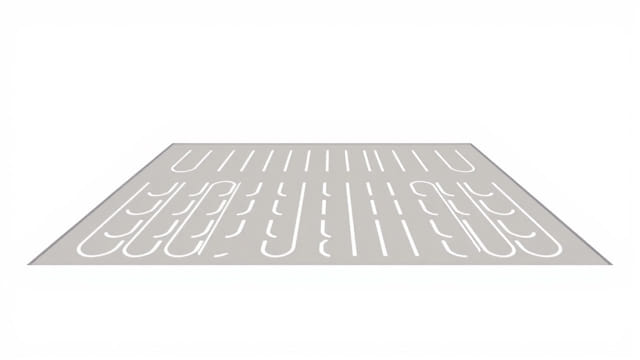
Under floor radiant heat is an increasingly popular method of heating homes and commercial spaces due to its efficiency, comfort, and modern appeal. Unlike traditional heating systems that rely on forced air or radiators, radiant floor heating provides warmth directly from the floor, creating an even temperature throughout the room. This innovative technology can improve indoor air quality and reduce energy costs, making it a smart choice for many homeowners and builders. Understanding how under floor radiant heat works, its types, installation processes, benefits, and potential considerations can help anyone decide if this heating method fits their needs.
How Does Under Floor Radiant Heat Work?
Under floor radiant heat systems function by circulating heat through pipes or electric heating elements installed beneath the flooring surface. This heat radiates upward, warming the floor and the objects and people within the room. Since heat naturally rises, this system creates a comfortable environment with minimal temperature fluctuations.
Types of Radiant Floor Heating
- Hydronic Systems: These use heated water circulated through tubing laid under the floor. Hydronic radiant heat is efficient for larger spaces and whole-home heating.
- Electric Systems: These use electric heating cables or mats installed beneath the floor covering. Electric radiant heat is often used in smaller areas or for supplemental heating.
Benefits of Under Floor Radiant Heat
Radiant floor heating offers numerous advantages compared to conventional heating methods, which contribute to its growing popularity.
Even Heat Distribution
Because the heat rises evenly from the floor, there are no cold spots or drafts, resulting in consistent comfort throughout the space. This is especially beneficial for rooms with high ceilings where warm air might otherwise rise and remain out of reach.
Energy Efficiency
Radiant heat can operate at lower temperatures than traditional forced-air systems while still providing the same level of warmth. This can reduce energy consumption and lower utility bills over time.
Improved Indoor Air Quality
Since radiant heating doesn’t rely on blowing air, it reduces the circulation of dust, allergens, and pollutants, benefiting those with allergies or respiratory issues.
Space-Saving Design
With no need for bulky radiators or vents, radiant floor heating frees up wall and floor space for furniture and décor, offering more design flexibility.
Silent Operation
Radiant heat systems work quietly, unlike forced-air systems that produce noise when fans and ducts operate.
Installation Considerations
Installing under floor radiant heat requires careful planning and proper execution to ensure efficiency and longevity.
Choosing the Right System
The choice between hydronic and electric systems depends on factors like project size, budget, and existing infrastructure. Hydronic systems are better suited for whole-house heating and new construction, while electric systems are often used for smaller areas or renovations.
Flooring Compatibility
Not all floor coverings work equally well with radiant heating. Materials like tile, stone, and engineered wood conduct heat effectively, whereas thick carpets may reduce heat transfer. Selecting compatible flooring maximizes the system’s performance.
Professional Installation
For optimal results, under floor radiant heat installation should be performed by experienced professionals. Proper insulation beneath the heating system, accurate placement of pipes or cables, and thorough testing are crucial steps.
Initial Costs
The upfront investment for radiant floor heating can be higher than traditional systems, but the long-term energy savings and comfort often justify the expense.
Maintenance and Longevity
Radiant floor heating systems typically require minimal maintenance once installed. Hydronic systems may need occasional checks for leaks or pressure issues, while electric systems tend to be low maintenance. Both systems can last decades with proper care.
Troubleshooting Common Issues
- Uneven Heating: May result from poor installation or insulation issues.
- Leaks in Hydronic Systems: Require prompt repair to prevent damage.
- Electrical Problems: In electric systems, wiring faults need professional attention.
Applications of Under Floor Radiant Heat
Radiant floor heating can be used in various settings, from residential homes to commercial buildings.
Residential Use
Many homeowners install radiant floor heating in bathrooms, kitchens, or throughout their homes for comfortable, energy-efficient warmth.
Commercial and Public Buildings
Offices, schools, and healthcare facilities benefit from the even heat distribution and improved air quality offered by radiant systems.
New Construction vs. Renovation
Radiant heat is ideal for new builds due to ease of integration during construction but can also be retrofitted in existing buildings with careful planning.
Environmental Impact
Because radiant floor heating can operate efficiently at lower temperatures, it often uses less energy, contributing to reduced carbon footprints. When paired with renewable energy sources, such as solar panels or geothermal systems, radiant heating becomes an eco-friendly choice for sustainable living.
Under floor radiant heat is a modern heating solution that combines comfort, efficiency, and aesthetic benefits. By delivering even warmth directly from the floor, it enhances indoor living environments while lowering energy consumption and maintenance needs. Whether choosing hydronic or electric systems, proper installation and compatible flooring are key to maximizing performance. As more homeowners and businesses seek sustainable and efficient heating methods, radiant floor heating continues to grow as a preferred option for cozy, healthy, and environmentally conscious spaces.